
how to dispose of old car oil is mostly about two things: keeping it contained, and getting it to a legal collection point instead of the trash, a drain, or the ground.
If you change your own oil even a couple times a year, used motor oil piles up fast, and it feels “not that toxic” because it looks harmless sitting in a jug, but it can contaminate water and create a real mess in your garage or trunk if it leaks.
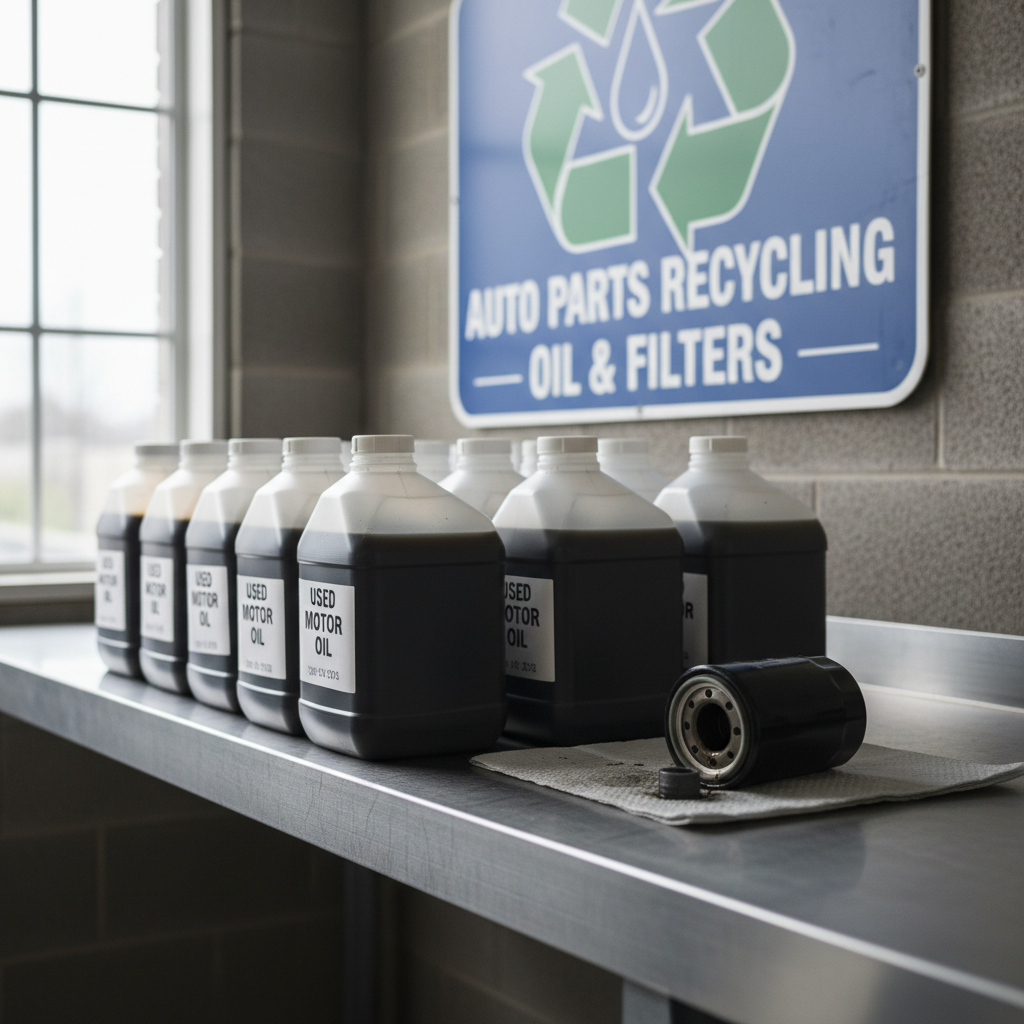
This guide focuses on practical, US-friendly options: where to take it, how to store it, what to do with the filter, and what to avoid so you do not create a bigger problem while trying to “do the right thing.”
Why used motor oil needs special disposal
Used motor oil is not just “dirty oil.” After running through an engine, it can contain contaminants and metal particles, and it does not break down quickly in the environment.
According to the U.S. Environmental Protection Agency (EPA), used oil from cars and other sources can be recycled and re-refined, and improper disposal can harm water and soil.
- Environmental risk: even small spills can spread, especially on driveways that drain toward storm systems.
- Fire and slip risk: oil-soaked rags and puddles in a garage increase hazards.
- Legal/HOA issues: many municipalities treat dumping as an illegal disposal of hazardous or regulated waste, penalties vary by location.
Quick self-check: what kind of “old car oil” do you have?
Before you load containers into your trunk, get clear on what you are holding, because mixing fluids is the #1 reason recyclers turn people away.
- Used engine oil only: typically acceptable at most collection points.
- Mixed with coolant, brake fluid, gasoline, solvents, or water: often rejected and may need a household hazardous waste program.
- Small spill cleanup material (kitty litter, absorbent pads): disposal rules vary, many places treat it as contaminated waste.
- Oil filters: frequently recyclable separately, but they need draining.
If you are unsure whether fluids got mixed, assume they did and call the drop-off site first, it saves you a wasted trip and a messy “what do I do with this now” moment.
Where to take used motor oil in the US (realistic options)
Most people do not need a special contractor to handle a couple gallons, you just need the right destination. Availability depends on state and county programs, so a quick phone call often beats guessing.
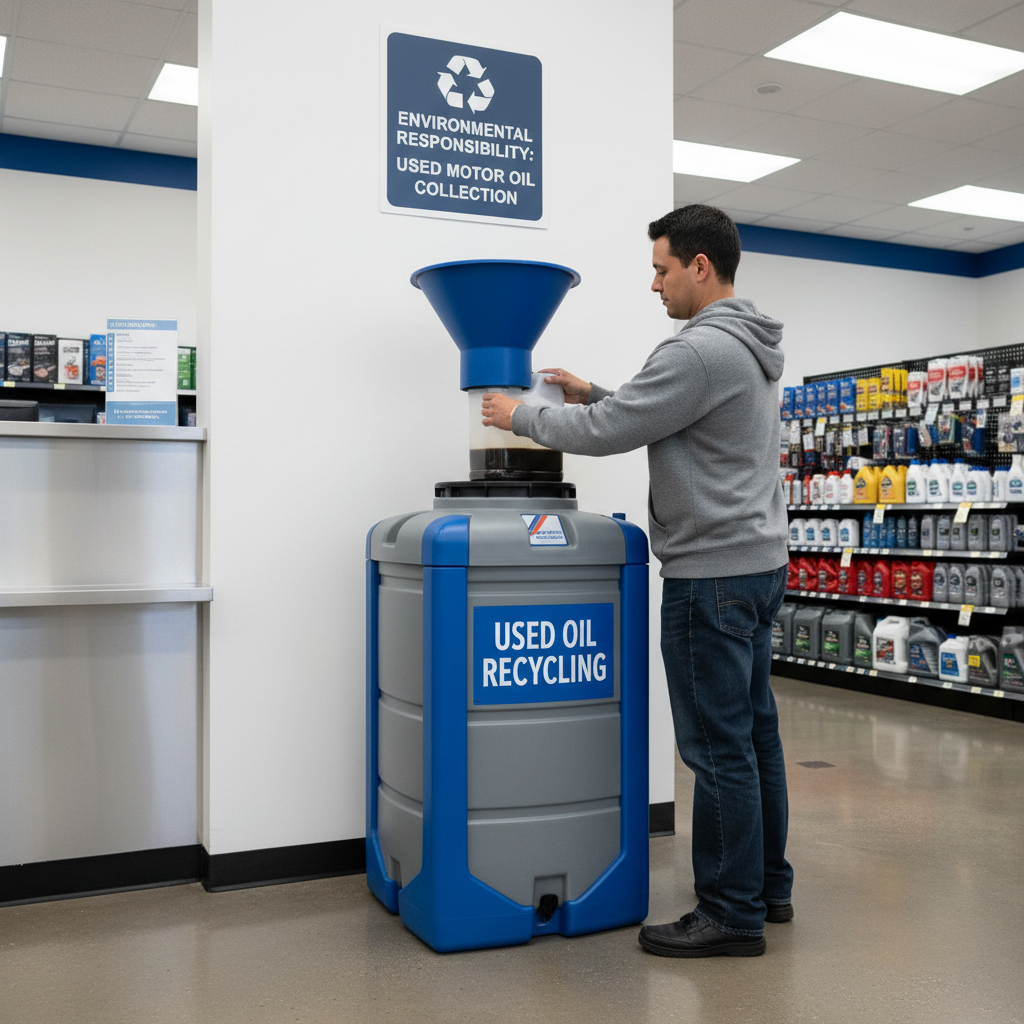
Common drop-off locations
- Auto parts stores: many locations accept used oil and sometimes filters, policies vary by store and local rules.
- Repair shops and quick-lube centers: some accept DIY oil, especially if you ask politely and arrive during slower hours.
- City/county household hazardous waste (HHW) sites: good option if oil is questionable or you also have other automotive chemicals.
- Recycling centers/transfer stations: some have used-oil tanks, check hours and quantity limits.
What to ask before you drive over
- Do you accept DIY used motor oil right now, and is there a gallon limit per visit?
- Do you accept oil filters too, and do they need to be fully drained?
- Any packaging rules, like “must be in a sealed jug” or “no antifreeze jugs”?
How to store and transport old car oil without spills
The best disposal plan fails if the container leaks in your garage or tips over in your back seat. Keep it boring and secure.
- Use the original oil jug when possible, it is designed for petroleum and seals well.
- Keep it clean: wipe the outside so it is not slippery when you carry it.
- Label it “Used Motor Oil” with a marker, especially if you reuse containers.
- Do not mix fluids: keep coolant, ATF, brake fluid, and solvents separate.
- Transport upright in a shallow bin or cardboard box lined with a trash bag, so a small leak stays contained.
If you need to consolidate, pour through a funnel into a larger, sealable container, and stop before it is completely full so it has expansion room.
What about the oil filter, oily rags, and empty bottles?
People often handle the oil correctly and then toss the filter in the trash without thinking. Filters hold residual oil, and many programs prefer them drained and recycled as metal.
Oil filter (typical best practice)
- Let the filter drain into the drain pan for a while, many DIYers leave it angled over the pan.
- Place the drained filter in a sealed bag or small container for transport.
- Ask your drop-off site whether they accept filters; if not, your county HHW program may.
Oily rags and absorbents
Oily shop towels and absorbent granules can be tricky, because rules vary and fire risk can be real in some conditions. When in doubt, treat them as contaminated waste and check with your local HHW program or waste authority for the safest disposal method.
Empty oil bottles
Many areas allow empty, well-drained plastic bottles in the trash or recycling, but it is local-dependent. If the bottle still has liquid sloshing around, treat it like used oil and keep it with your oil drop-off.
Common mistakes that get your oil rejected (or create a hazard)
This is where most “I tried to recycle it” stories go sideways, usually because of contamination or sloppy containers.
- Mixing antifreeze with oil: even small amounts can make it non-recyclable for many collectors.
- Using open pans or paint buckets: they spill easily and often are not accepted.
- Pouring into storm drains or on gravel: still illegal in many places, and it travels farther than people expect.
- Storing for years: containers degrade, labels disappear, and you forget what is inside.
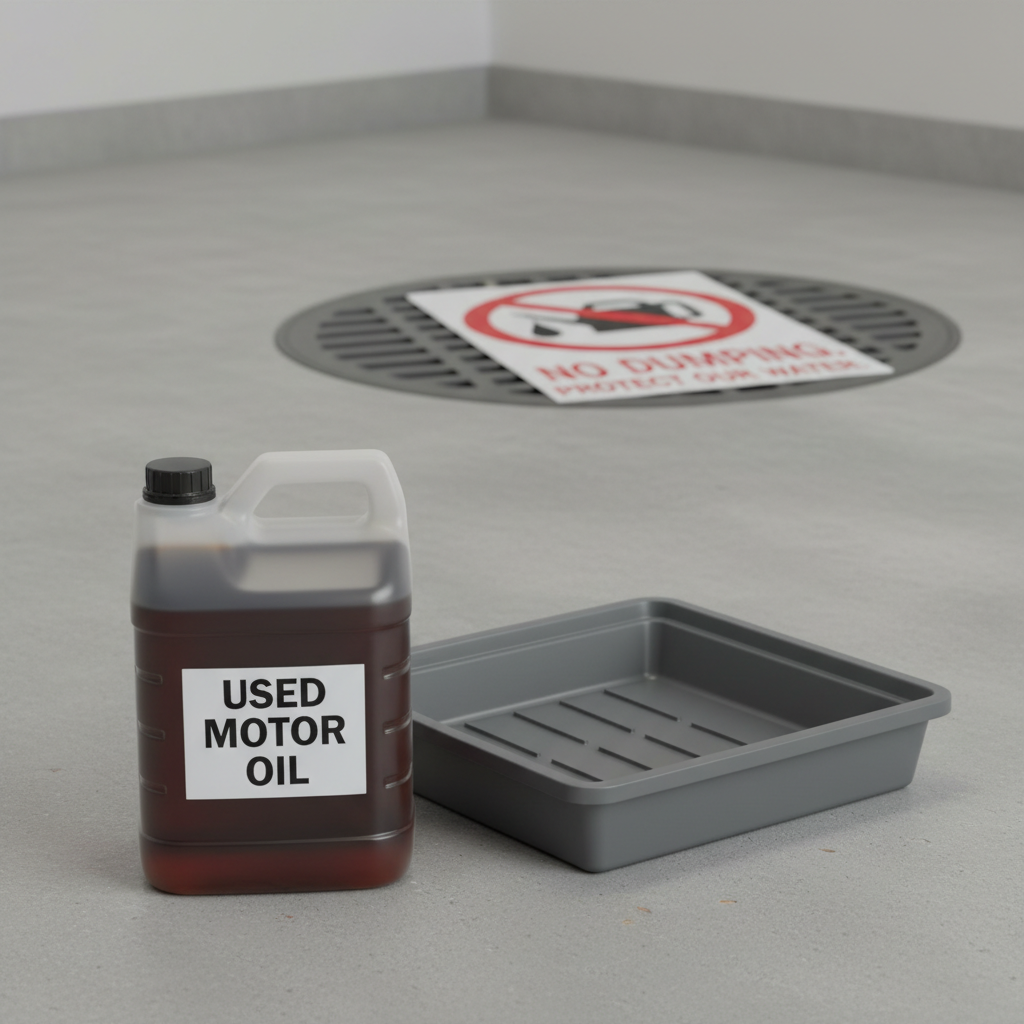
Step-by-step: a simple disposal routine you can repeat
If you want a repeatable workflow, keep it simple and consistent, so you are not improvising every oil change.
- Drain oil into a clean pan and transfer into a sealable jug the same day.
- Keep the jug in a secondary bin in your garage, out of reach of kids and pets.
- Drain the oil filter and bag it separately.
- Choose a drop-off location you can stick with, then confirm limits before you go.
- Drop off within 1–4 weeks if possible, so containers do not sit long-term.
Many people find it easier to drop off oil when they are already out, for example, when buying your next oil and filter.
Quick reference table: what to do with common car fluids
Because mix-ups happen, this table helps you decide what belongs together and where it usually goes. Local rules can differ, so treat this as a starting point.
| Item | Can it go with used motor oil? | Typical disposal route |
|---|---|---|
| Used engine oil | Yes | Auto parts store, repair shop, recycling/HHW site |
| Oil filter | No (separate) | Filter recycling at participating sites or HHW |
| Coolant/antifreeze | No | HHW site or approved coolant recycler |
| Brake fluid | No | HHW site, sometimes a repair shop |
| Transmission fluid (ATF) | Usually no (ask first) | Some oil recyclers accept, otherwise HHW |
| Gasoline-contaminated oil | No | HHW site, call ahead for safety guidance |
When to get professional help (and not DIY it)
Most DIY oil change waste is manageable, but a few situations deserve extra caution.
- Large volumes: if you have many gallons from multiple vehicles, ask your local waste authority about approved bulk options.
- Mystery containers: unlabeled jugs found in a garage or shed might contain mixed chemicals, an HHW program can advise next steps.
- Spills into soil or drains: cleanup may require professional remediation, and you may need to notify local authorities depending on severity.
For safety or compliance questions, calling your city or county solid waste department is often the fastest way to get an answer that matches local rules.
Key takeaways (so you do not overthink it)
- Keep used oil clean and separate from other fluids, contamination is what derails recycling.
- Use sealed, labeled containers and transport upright in a bin.
- Choose a reliable drop-off option like an auto parts store or HHW site, then confirm limits before you go.
- Handle filters separately and ask whether they are accepted.
If you handle storage and drop-off the same way each time, how to dispose of old car oil becomes a quick errand, not a nagging garage problem.
If you have oil that might be mixed with other chemicals, or you want a no-guesswork plan for your area, consider calling your local HHW program or a trusted shop and asking what they accept, it usually saves time and avoids a rejected drop-off.