
Best car roof cargo bags for travel usually come down to one thing: keeping your stuff dry and stable without turning your highway drive into a loud, stressful guessing game. If you have a family trip coming up, or you just ran out of trunk space, a waterproof roof bag can be the simplest way to gain “one more trunk” without installing a rooftop box.
But reality check, not every “waterproof” label means the same thing. Some bags resist light rain, others can handle hours of road spray, and a few are designed to shrug off sustained storms if you pack them correctly.
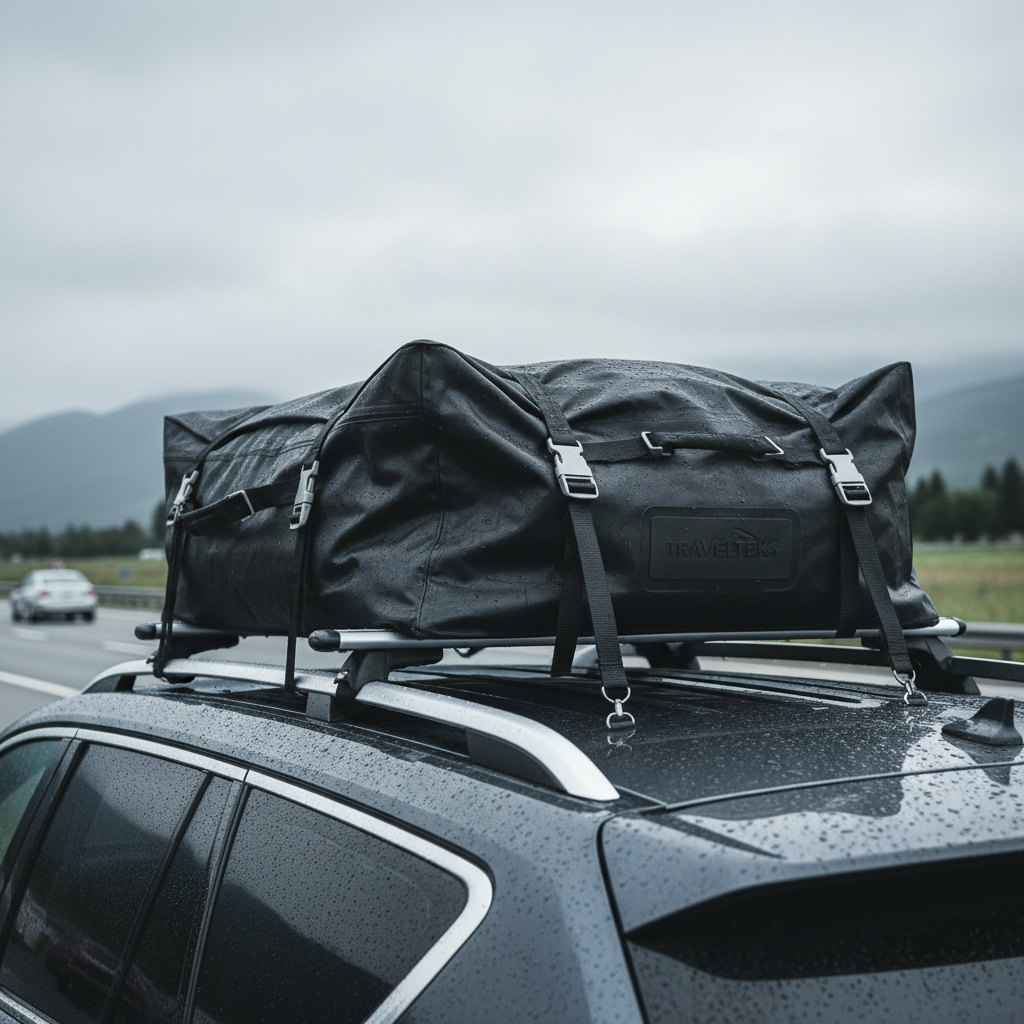
This guide focuses on what matters when you want a travel-ready waterproof bag: material, closure design, tie-down system, fit for your roof type, and the small setup steps that prevent most “my gear got wet” stories.
What “waterproof” really means for roof cargo bags
Most roof bags use coated fabrics like PVC, TPU, or heavy-duty vinyl, then rely on seams and the zipper area to do the hard work. In practice, water usually sneaks in through the zipper track, poorly sealed stitching, or a bag that flaps and pools water.
According to NOAA (National Weather Service), weather conditions can change quickly during travel, so it’s smart to plan for more than a light drizzle even if your forecast looks calm.
- Fabric: Thicker coated fabric generally resists abrasion and road spray better.
- Seams: Heat-welded seams often outperform stitched seams unless stitching is fully taped and sealed.
- Zipper design: A zipper flap helps, but the best setups also use a zipper garage, storm flap, or roll-top style closure.
- Water behavior on the roof: Roof airflow can push water toward the zipper side, especially at highway speed.
Quick comparison table: features that matter most
If you only skim one section, skim this. These are the features that most often separate “fine for one trip” from “I’ll keep this for years.”
| Feature | Why it matters | What to look for | Common red flag |
|---|---|---|---|
| Closure & zipper protection | Most leaks start here | Wide storm flap, sealed zipper area, roll-top style if available | Exposed zipper with minimal flap |
| Strap system | Controls shifting and wind noise | Wide straps, multiple anchor points, anti-slip routing | Thin straps, few tie points |
| Roof compatibility | Rack vs no rack changes everything | Clear instructions for rails/crossbars/bare roof | One-size claims without guidance |
| Base protection | Prevents scuffs and moisture transfer | Smooth underside, included mat, reinforcement patches | Rough underside that can mar paint |
| Size realism | Overstuffing causes leaks and zipper failure | Capacity that matches your typical load | Needs “forced” zipper closing |
How to choose the right size and style for your trip
Picking a roof bag is less about chasing the biggest capacity and more about matching your roof space, your vehicle height, and how often you’ll use it. Many people regret going too big because it increases wind drag, noise, and the temptation to overload.
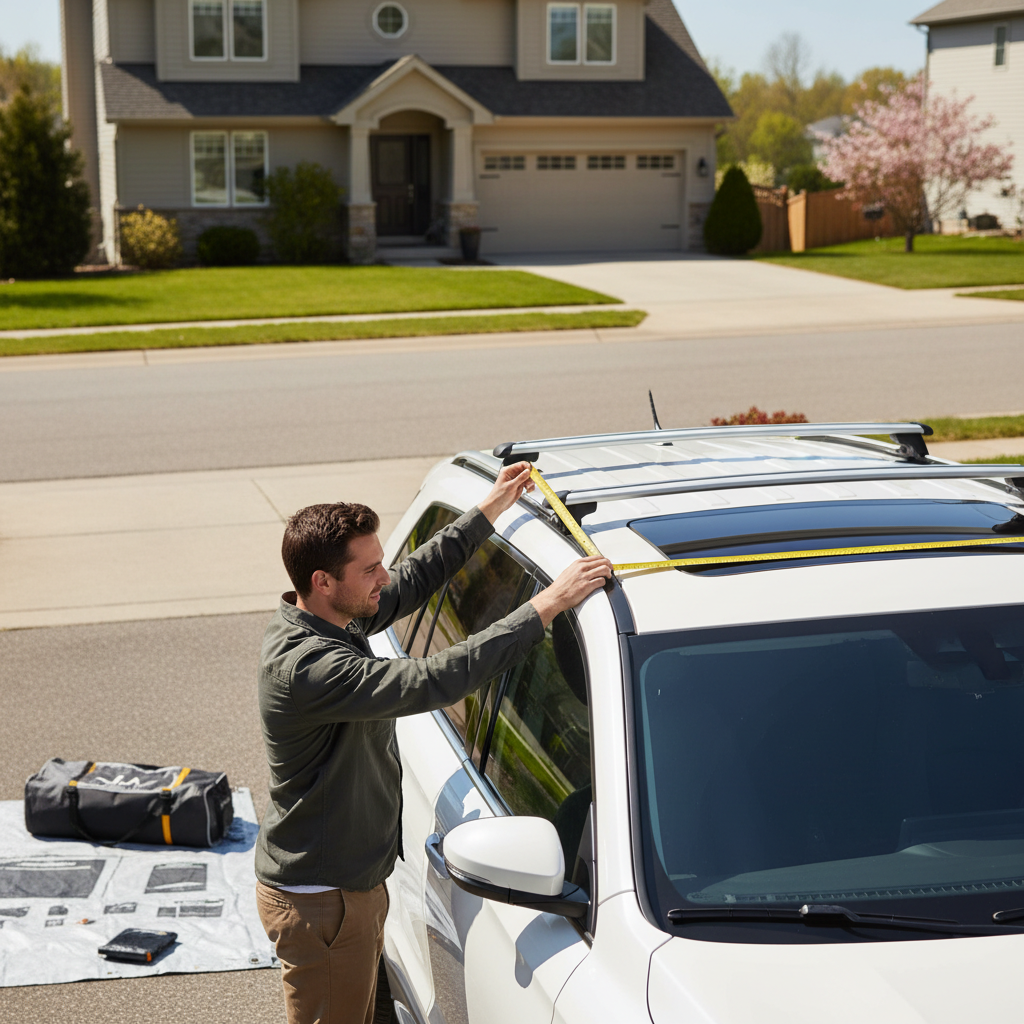
Here’s a practical way to think about it:
- Weekend trips (light luggage): a mid-size bag often works, and is easier to secure tight.
- Family road trips: you’ll want room for soft items like duffels, jackets, diapers, and pillows, which compress without creating sharp corners.
- Winter travel: prioritize waterproofing and strap stability because slush and road spray can be relentless.
Style-wise, you’ll usually see two approaches:
- Zippered clamshell: easy to access, but depends heavily on zipper protection.
- Roll-top / fold-over: can reduce leak risk, but access is slower and packing takes more patience.
Rack vs no rack: fit and safety checklist
This is where people get tripped up. A bag that works perfectly on crossbars may be annoying or even risky on a bare roof if the strap routing is awkward.
Use this quick self-check before you buy or install:
- You have crossbars: you can strap directly to them, usually the most stable setup.
- You have raised side rails only: some bags can route straps around rails, but it can allow more movement.
- Bare roof: you’ll rely on door-frame strap anchors or routing through the cabin, which can affect weather sealing at the doors and add cabin noise.
According to NHTSA, securing cargo properly helps reduce road hazards. A roof load that shifts is not just annoying, it can become dangerous if it compromises handling or comes loose.
If you are unsure about your vehicle’s roof load rating, check the owner’s manual or ask a dealership service advisor, ratings vary a lot by model and roof type.
Buying criteria: what to prioritize in the best waterproof options
When people search for the best car roof cargo bags for travel, they’re usually trying to avoid three outcomes: wet gear, loud flapping, and a bag that creeps sideways after 30 miles. These criteria help prevent all three.
1) Material and seam construction
- Look for heavy coated fabric with reinforced stress points where straps connect.
- Seam sealing matters more than marketing terms. Heat-welded or properly taped seams tend to hold up better in messy weather.
2) Zipper protection (or no zipper at all)
- A big storm flap helps, but it should lay flat and cover the zipper line fully.
- Some bags include a secondary inner flap or a “zipper garage,” which can reduce water intrusion in long rain drives.
3) Tie-down system and strap management
- More anchor points usually means more stability, assuming you can tension them evenly.
- Strap keepers or Velcro wraps prevent loose ends from whipping in the wind, which is a major noise source.
4) Anti-slip base and paint protection
- If you mount on a bare roof, consider an included mat or add your own non-slip protective layer designed for automotive use.
- Avoid gritty undersides that can grind dust into paint during a long drive.
Step-by-step: packing and installing so it stays dry and quiet
This part looks simple, and it’s exactly why it fails. Most “waterproof didn’t work” complaints come from overpacking, uneven loading, or straps that were tight at the driveway but loosened after the first hour.
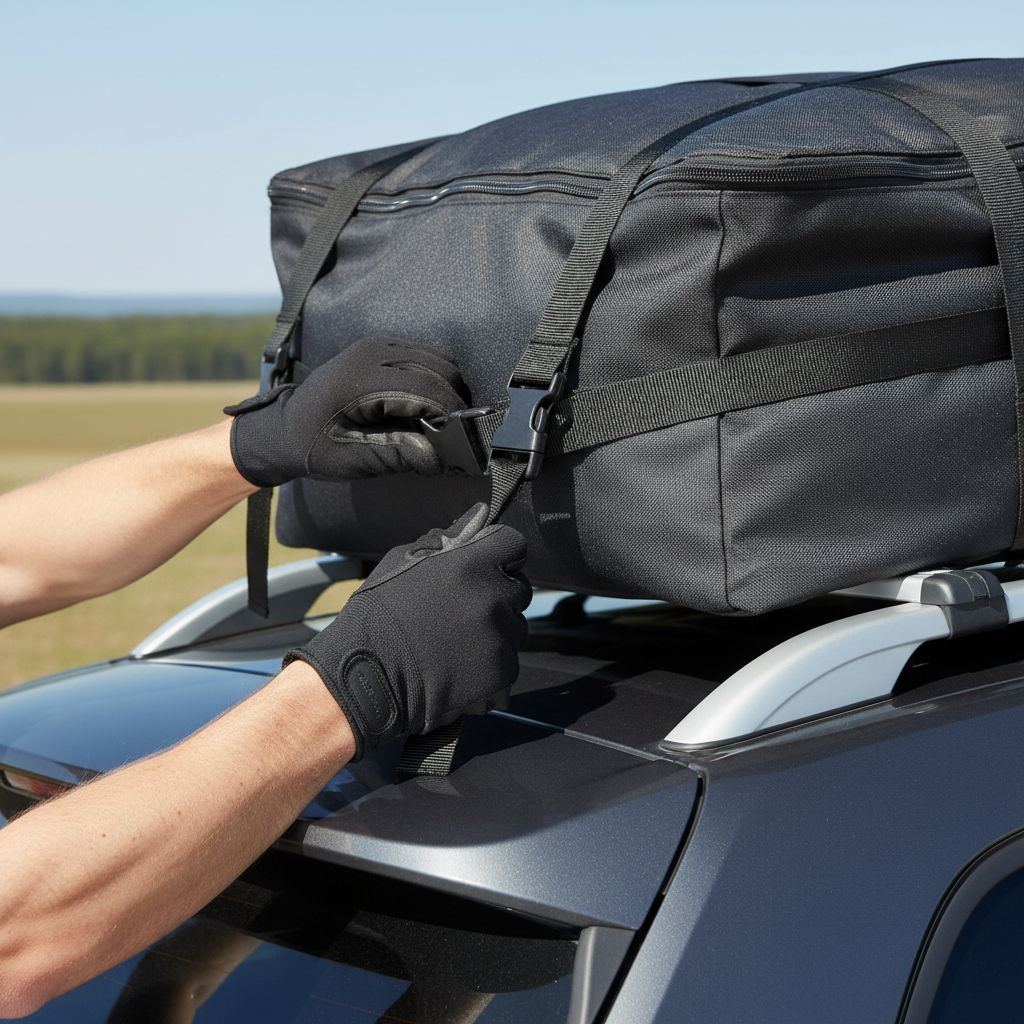
- Pack soft, then firm: put compressible items at the edges, firmer items toward the center to avoid sharp corners stressing seams.
- Don’t fight the zipper: if you need two people to close it, it’s too full and more likely to leak.
- Line critical items: for electronics or medications, use dry bags or heavy-duty trash bags inside as a backup.
- Route straps symmetrically: uneven tension pulls the bag to one side and increases wind noise.
- Manage strap tails: roll and secure loose ends so they don’t whip.
- Stop and re-tension: after 15–30 minutes of highway speed, pull over safely and tighten again, webbing often settles.
Key takeaway: “Waterproof” works best when the bag sits low, smooth, and tight, with no pockets that collect water and no edges flapping into airflow.
Mistakes that cause leaks, scratches, and handling issues
These come up again and again, even with well-made bags.
- Overloading the roof: exceeding roof load limits can affect braking and cornering, and may damage roof rails. If you’re uncertain, consult the vehicle manufacturer.
- Putting hard, sharp items on top: it creates pressure points that can wear through coating over time.
- Ignoring crosswind days: a tall, loosely packed bag catches wind and can feel twitchy, especially on lighter vehicles.
- Mounting on a dirty roof: dust plus vibration can scuff paint, rinse and dry the roof first.
- Skipping a backup water barrier: even premium bags can get overwhelmed in rare conditions, extra liners cost very little.
Practical recommendations by travel scenario
Instead of pushing one “universal best,” here are scenario-based picks that match how people actually travel.
- Frequent road-trippers: prioritize durability, reinforced seams, and a strap system you can tension quickly, you’ll notice the difference by the third install.
- Occasional vacation users: a mid-range waterproof bag with solid zipper protection is often enough, focus on ease of installation and storage.
- Snowy or coastal routes: look for strong water resistance, corrosion-resistant buckles, and an easy-to-clean exterior, salt spray can be rough.
- Bare-roof vehicles: choose models specifically designed for door-frame anchoring and consider paint protection seriously.
If your goal is simply to stop playing luggage Tetris, start by measuring your roof, confirm your roof load limit, then buy a bag that you can close without strain. After that, the “best” roof bag is the one you install correctly and re-tighten once on the road.
Action step: before your next trip, do a 10-minute test drive with a partially loaded bag, then recheck straps and listen for flapping, it’s the easiest way to prevent surprises on travel day.
FAQ
- What is the best car roof cargo bag for travel if I don’t have a roof rack?
Look for bags that explicitly support door-frame strap anchors and include protective pads. With bare roofs, stability and paint protection matter as much as waterproofing. - Are roof cargo bags truly waterproof in heavy rain?
Many are water-resistant to waterproof in normal driving rain, but prolonged storms and high-speed spray can still find weak points, usually around zippers. Packing with internal liners is a smart backup. - How fast can I drive with a roof cargo bag?
It depends on the bag, your roof setup, and vehicle limits. Follow the bag manufacturer guidance and your vehicle manual, and reduce speed in crosswinds or heavy rain. - Will a roof cargo bag scratch my paint?
It can if the roof is dirty, the underside is rough, or straps allow movement. Clean the roof, use a protective mat if appropriate, and tension straps evenly. - What should I pack in a roof bag vs inside the car?
Soft, non-fragile items travel well up top: duffels, sleeping bags, jackets. Keep valuables and fragile gear inside the cabin when possible. - How do I reduce wind noise from a roof cargo bag?
Keep the bag low and centered, remove slack, secure strap tails, and avoid leaving empty space that allows the bag to balloon. A quick re-tension stop usually helps. - Do roof cargo bags hurt gas mileage?
Often yes, because they add drag. The impact varies by vehicle, speed, and how tall the load sits, keeping the bag tight and not oversized can limit the penalty.
If you’re comparing a few options and want a more “no surprises” setup, focus on the closure design and strap system first, then match capacity to your real packing list, it’s usually the fastest path to a roof bag you trust in bad weather.