
How to get smoke smell out of car comes down to two things people often miss: removing the residue (tar and oils) and then neutralizing what’s left in the air and fabrics. If you only spray a “fresh” scent, the odor usually returns the next warm day.
The good news, most smoke odors can be improved a lot with basic supplies and a bit of patience. The bad news, the smell can hide in headliners, seat foam, HVAC ducts, and even the cabin air filter, so a quick wipe rarely cuts it.
This guide walks you through a realistic plan, how to tell where the smell sits, what to clean first, and when it’s worth paying for an ozone treatment or professional detailing. No miracle promises, just what tends to work in real cars.
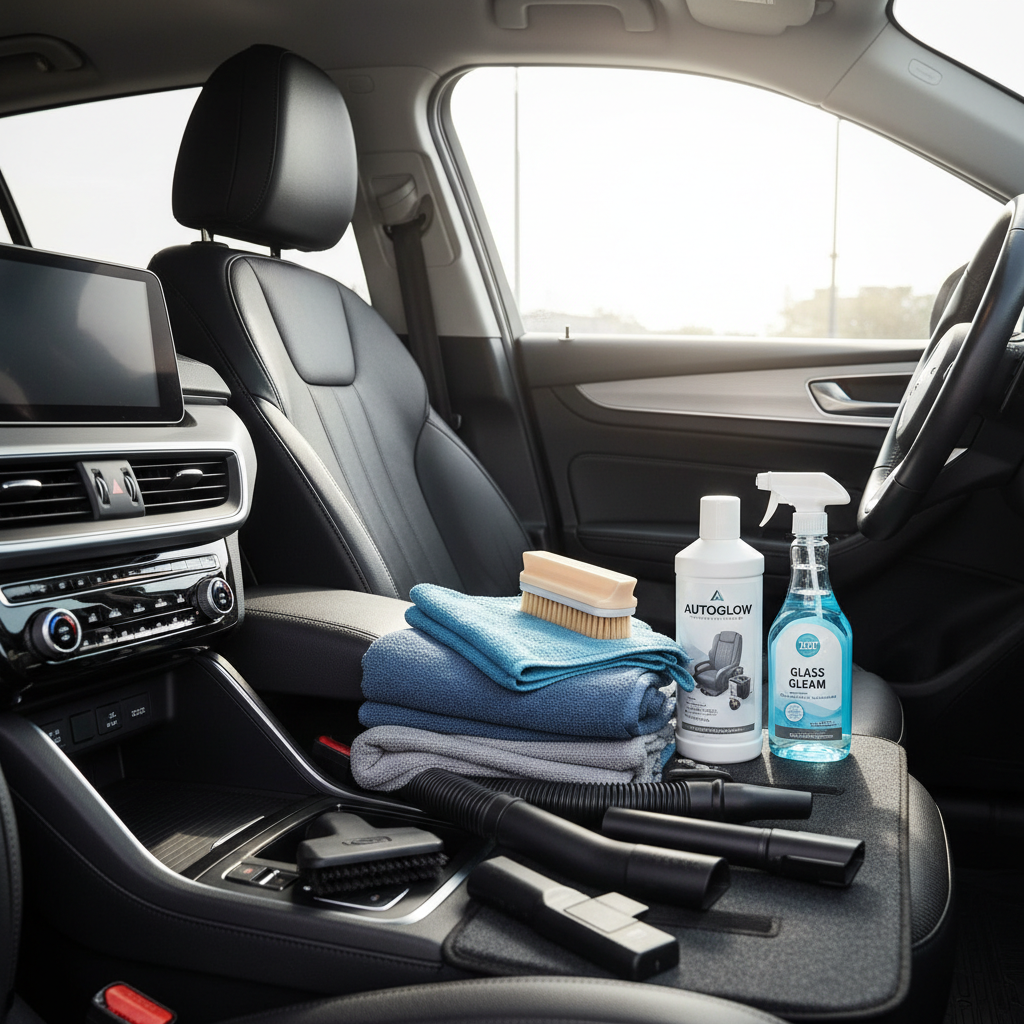
Why smoke smell sticks in cars (and why it comes back)
Cigarette and cigar smoke leaves a thin film that clings to surfaces. Even after the smoke clears, that film keeps off-gassing, especially when the cabin warms up.
In most vehicles, the stubborn spots are fabric and airflow-related areas:
- Headliner: it’s basically a sponge overhead, and it’s hard to scrub without damage.
- Seats and carpet: smoke compounds sink into fibers and sometimes into foam underneath.
- HVAC system: ducts and the evaporator area can hold odor, then “re-release” it when the fan runs.
- Cabin air filter: a surprisingly common culprit, and a cheap fix.
According to U.S. Environmental Protection Agency (EPA), secondhand smoke contains a mix of chemicals that can linger on indoor surfaces. A car interior is a small “indoor space,” so lingering residue is a common reason smells persist.
Quick self-check: where is the smell coming from?
Before you buy products, do a simple sniff check. It keeps you from cleaning the wrong thing really well.
- Smell stronger when A/C or heat turns on: likely HVAC ducts or cabin filter.
- Smell strongest near seats: upholstery, seams, and seat foam.
- Smell strongest near the roof: headliner is holding onto residue.
- Smell spikes on hot days: residue on plastics, glass, and hidden trim is off-gassing.
- Only smells when the car is closed up: trapped air plus fabrics, focus on ventilation and absorbents.
If you recently bought the car, check the trunk, spare-tire well, and under-seat areas too. Smoke can settle everywhere, and old ash can hide in rails and crevices.
Start with the “big wins” (what to do first)
If your goal is the fastest improvement, tackle the steps that remove the most odor sources with the least effort.
1) Replace the cabin air filter
This is often step one for how to get smoke smell out of car because it’s low-cost and high-impact. Many filters also come in activated carbon versions, which help adsorb odors.
- Look up your model’s filter location (often behind the glovebox).
- Choose a carbon/charcoal filter if available.
- If the old filter smells like an ashtray, you found a major source.
2) Vacuum thoroughly, including seams and vents
Dry debris traps odor. Vacuum seats, carpets, mats, and especially seat tracks, between seat and console, and under seats. Use a soft brush attachment if you have one.
3) Wipe hard surfaces to remove residue
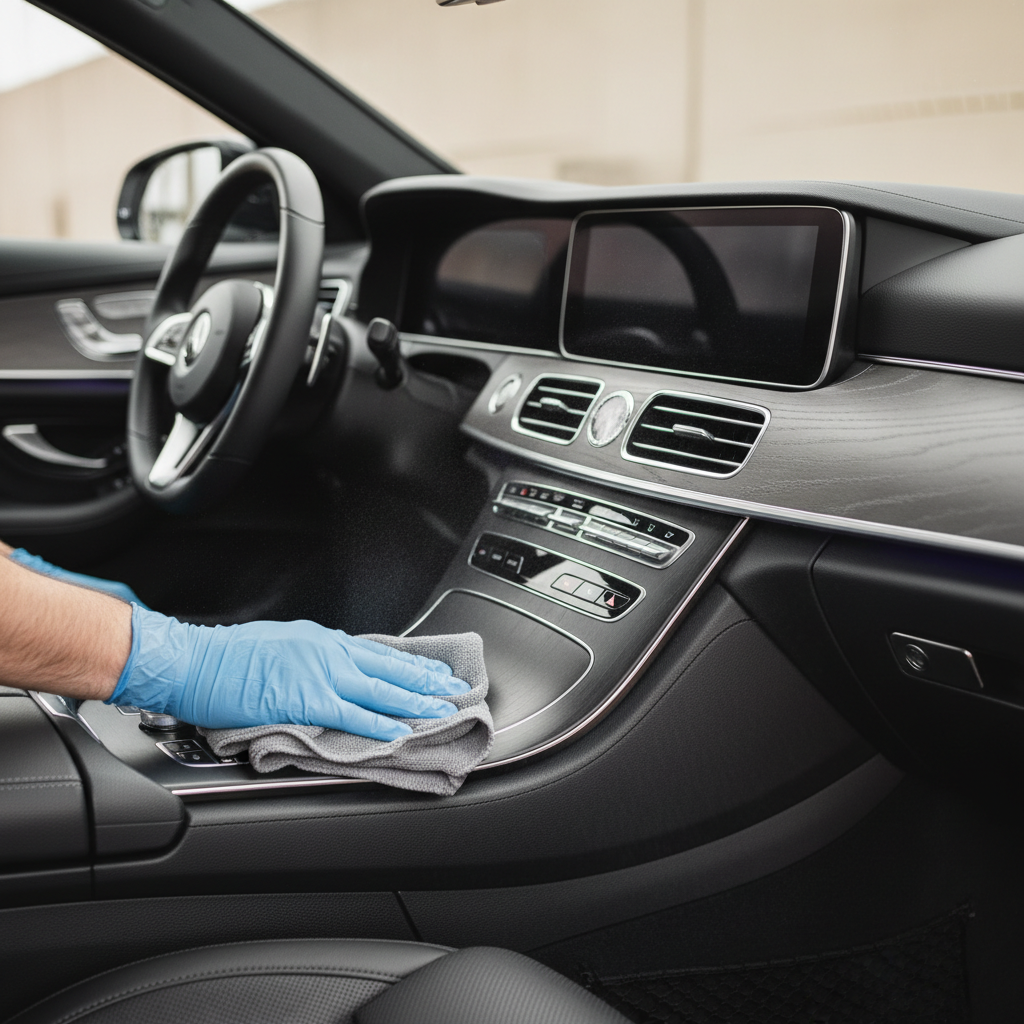
Smoke film coats plastic, leather, vinyl, and glass. Use an interior-safe cleaner and microfiber towels. Don’t forget the steering wheel, door cards, center console, and the inside of windows, smoke film on glass can smell when the sun hits it.
Deep clean plan for fabrics, carpets, and the headliner
Once the easy sources are handled, the remaining smell is usually in textiles. Go in this order so you don’t re-soil cleaned areas.
Upholstery and seats (cloth)
- Use a fabric/upholstery cleaner, lightly agitate with a soft brush, then blot with clean towels.
- If you have an extractor or wet-dry vac, pull moisture out after cleaning, that reduces “wet dog” odors.
- Avoid soaking the seat, too much water can stay in foam and create new smells.
Carpet and floor mats
- Remove mats, clean separately, and let them dry completely outside the car.
- For carpet, spot-treat, gently brush, then extract or blot until towels come up cleaner.
- Check the trunk carpet and cargo liners, smoke odor often lingers there unnoticed.
Leather seats
Leather doesn’t absorb like cloth, but smoke residue still sticks. Clean with a leather-safe product, then apply a conditioner. Avoid harsh degreasers that can dry out the finish.
Headliner (go gentle)
This step looks simple and it’s where many people mess up. A headliner can sag if you saturate it or scrub aggressively. Use a minimal-moisture approach:
- Light mist of fabric cleaner on a microfiber towel, not directly on the headliner.
- Gently dab and wipe in small sections.
- Stop if you see any lifting or fuzzing, at that point, a pro detailer may be safer.
Odor removal methods compared (what works for which situation)
After cleaning, deodorizing works much better because you removed the oily layer that keeps producing smell. Here’s a practical comparison:
| Method | Best for | Pros | Watch-outs |
|---|---|---|---|
| Baking soda (overnight) | Mild odor in carpets/seats | Cheap, easy | Messy, limited on heavy smoke |
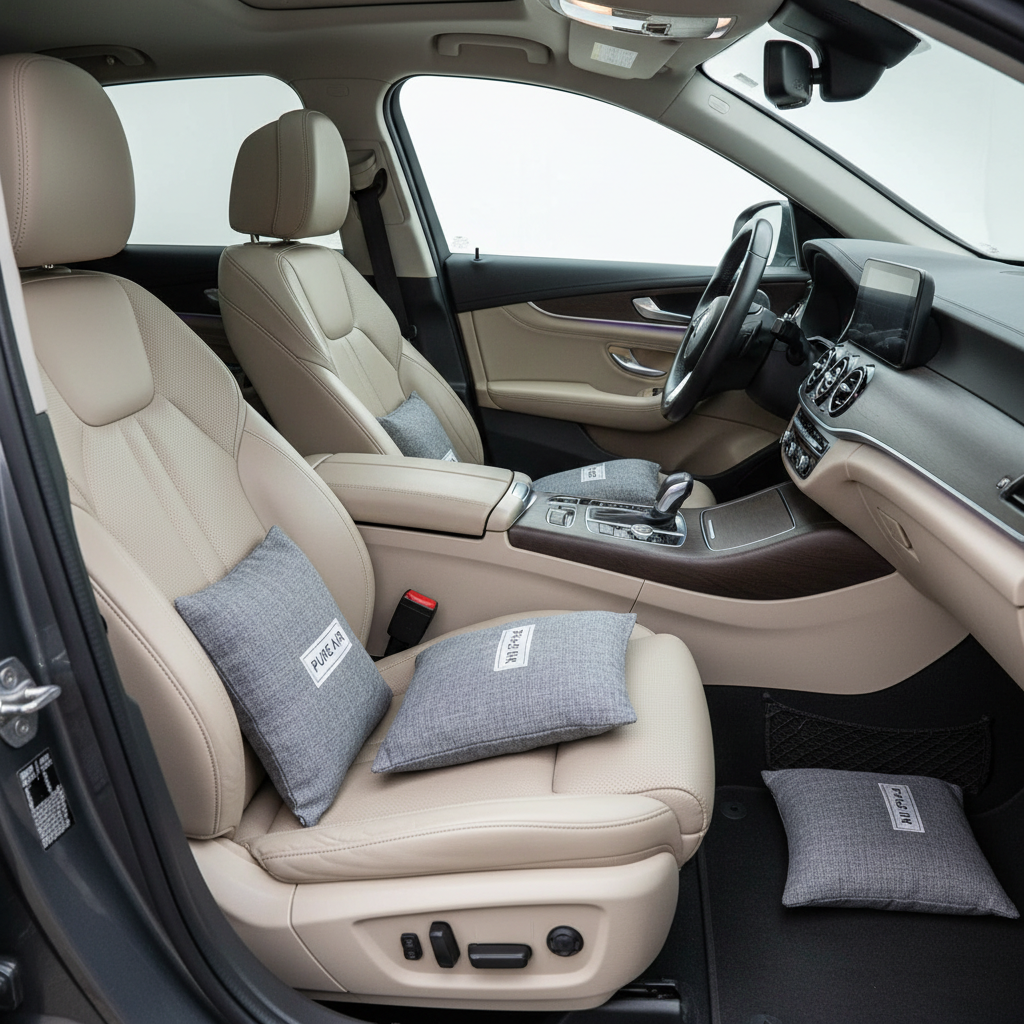
| Activated charcoal bags | Closed-car trapped smell | Low effort, reusable | Slower, needs days |
| Enzyme odor eliminator | Organic odors mixed with smoke | Good after cleaning | Must follow dwell time, test fabrics |
| Chlorine dioxide “odor bomb” | Moderate to heavy odor | Often effective | Ventilation needed, follow label strictly |
| Ozone treatment (pro) | Stubborn, deep smoke odor | Can neutralize what cleaning misses | Health/safety precautions, may not fix root residue alone |
According to California Air Resources Board (CARB), ozone is a lung irritant. Ozone generators should be used only in unoccupied spaces and with careful ventilation afterward, many people choose professional services for that reason.
Step-by-step: a realistic weekend routine
If you want a straightforward workflow, this sequence tends to deliver the most noticeable change without bouncing around.
- Day 1 (morning): remove trash/ash, take out mats, vacuum everything including trunk.
- Day 1 (midday): wipe all hard surfaces and interior glass, change cabin air filter.
- Day 1 (afternoon): clean seats and carpets, extract/blot moisture, leave doors open in shade if possible.
- Day 1 (evening): place activated charcoal bags or a light baking soda treatment, close the car overnight.
- Day 2: remove absorbents, vacuum any baking soda, run HVAC on fresh air for 10–15 minutes, then re-check smell.
Key point: if the smell improves but comes back with the fan, circle back to HVAC and consider an evaporator/duct cleaning product or a pro detailer who can access the system safely.
Mistakes that keep the smoke odor alive
- Masking instead of removing: strong fragrances mix with smoke and can feel worse.
- Skipping the glass: interior windows hold film, and heat “reactivates” the odor.
- Over-wetting seats: damp foam can trap smell and may risk mildew.
- Ignoring the trunk: it’s part of the cabin air volume in many cars.
- Running A/C on recirculate all the time: it can keep odor cycling inside.
When it’s time for professional help
Sometimes DIY reaches a ceiling. Consider a professional detailer if the car has years of heavy smoking, visible yellowing on headliner, or if odor returns fast after you clean.
A shop can offer heated extraction, deeper upholstery work, and controlled odor treatments. If you’re thinking about ozone, this is also where a pro can be a safer route. If you have asthma or other respiratory concerns, it’s smart to be cautious and, in some cases, ask a medical professional what’s appropriate for you.
Key takeaways (so you don’t overcomplicate it)
- Clean first, deodorize second, otherwise you’re fighting residue, not just “smell.”
- Cabin air filter is one of the highest-value fixes for smoke odor.
- Heat reveals the truth, re-check on a warm day or after the car sits in the sun.
- Gentle headliner cleaning beats aggressive scrubbing that can cause sagging.
Conclusion: getting your car smelling normal again
Getting rid of smoke odor is rarely one magic product, it’s a short sequence: remove residue from hard surfaces, pull it out of fabrics, then use an odor method that fits how stubborn the smell is. If you follow that order, most cars improve noticeably and stay that way.
If you want to act today, start with the cabin filter and a full wipe-down, then plan the fabric deep clean next. That’s the point where how to get smoke smell out of car stops being a guessing game and starts feeling predictable.
FAQ
How long does it take to get smoke smell out of a car?
For mild odor, you might notice improvement in a day. For heavier smoke exposure, it often takes a weekend of cleaning plus a few days of charcoal or ventilation to really stabilize.
Will baking soda remove cigarette smell from car seats?
Baking soda can help with mild odors by adsorbing smells near the surface, but it won’t remove the sticky residue that causes smoke odor to return. It works best after you clean the fabric.
What’s the fastest way to remove smoke smell if I’m selling the car?
A quick-but-reasonable approach is: replace the cabin air filter, wipe all hard surfaces and glass, then do a light upholstery clean and use charcoal bags overnight. If the smell is heavy, a professional treatment may be worth it for time savings.
Why does my car still smell like smoke after detailing?
Common reasons include the HVAC system, seat foam that stayed contaminated, or a headliner that wasn’t safely cleaned. Heat can also reveal leftover residue that seemed “gone” in cooler weather.
Is ozone safe for removing smoke smell in a car?
Ozone can be effective, but it comes with safety considerations. According to California Air Resources Board (CARB), ozone is a respiratory irritant, so the car should be unoccupied during treatment and thoroughly aired out afterward, many people prefer a professional service.
Should I use an air freshener after I remove smoke odor?
A light scent is fine if you enjoy it, but use it as a finishing touch, not the main strategy. If you still need strong fragrance to “cover” the smell, there’s likely residue left to clean.
Can smoke smell be coming from the vents only?
Yes, especially if a previous owner smoked with the fan running. If odor spikes when the blower turns on, focus on the cabin filter and consider an HVAC cleaning approach.
Want a more hands-off option?
If you’re trying to fix smoke odor but don’t want to spend a full weekend experimenting, a reputable local detailer can be a practical shortcut, especially for headliner care and stronger odor treatments. You’ll get better results when you tell them what you already tried and whether the smell is worse with the HVAC running.