
how to change spark plugs in car is one of those jobs that sounds simple until you’re staring at a hot engine, a handful of similar-looking parts, and the fear of stripping threads in an aluminum head.
Done carefully, fresh plugs can help resolve rough idle, misfires, sluggish acceleration, and poor fuel economy that often sneak up over months. Done carelessly, you can create new problems like a cracked coil boot, a cross-threaded plug, or a check engine light that wasn’t there before.
This guide focuses on the practical “do it in your driveway” approach: what to buy, how to avoid common mistakes, and when it’s smarter to stop and get help. You’ll also see a quick table to match symptoms with likely causes, because spark plugs are common, but not the only culprit.
What spark plugs do, and when changing them actually helps
Spark plugs ignite the air-fuel mixture in each cylinder. When they wear, the spark can weaken or become inconsistent, which may show up as stumbling at idle, hesitation under load, or misfire codes like P0300-P030X.
According to the U.S. Department of Energy, aggressive driving, short trips, and skipped maintenance can reduce fuel economy, and ignition issues can be part of that picture. That doesn’t mean plugs fix every MPG complaint, but they’re a frequent, reasonable place to start when the interval is overdue.
A reality check: if your engine runs perfectly and your plugs were changed recently, swapping them again probably won’t “unlock” more power. Most gains come from restoring normal operation, not upgrading beyond spec.
Quick symptom-to-cause table (so you don’t chase the wrong thing)
If you’re here because the car feels off, use this as a fast filter. It won’t replace diagnostics, but it helps you decide whether a plug change is likely to matter.
| What you notice | Could be spark plugs | Also commonly caused by |
|---|---|---|
| Rough idle, occasional stumble | Yes, especially if overdue | Vacuum leak, dirty throttle body, worn coil |
| Misfire code (P0301, P0302, etc.) | Sometimes | Ignition coil, injector, compression issue |
| Hard starting | Possible | Weak battery, fuel pressure, sensors |
| Poor fuel economy | Possible | Tire pressure, driving style, O2 sensor, brakes dragging |
| Hesitation under acceleration | Possible | Coil breakdown, clogged air filter, turbo/boost leak |
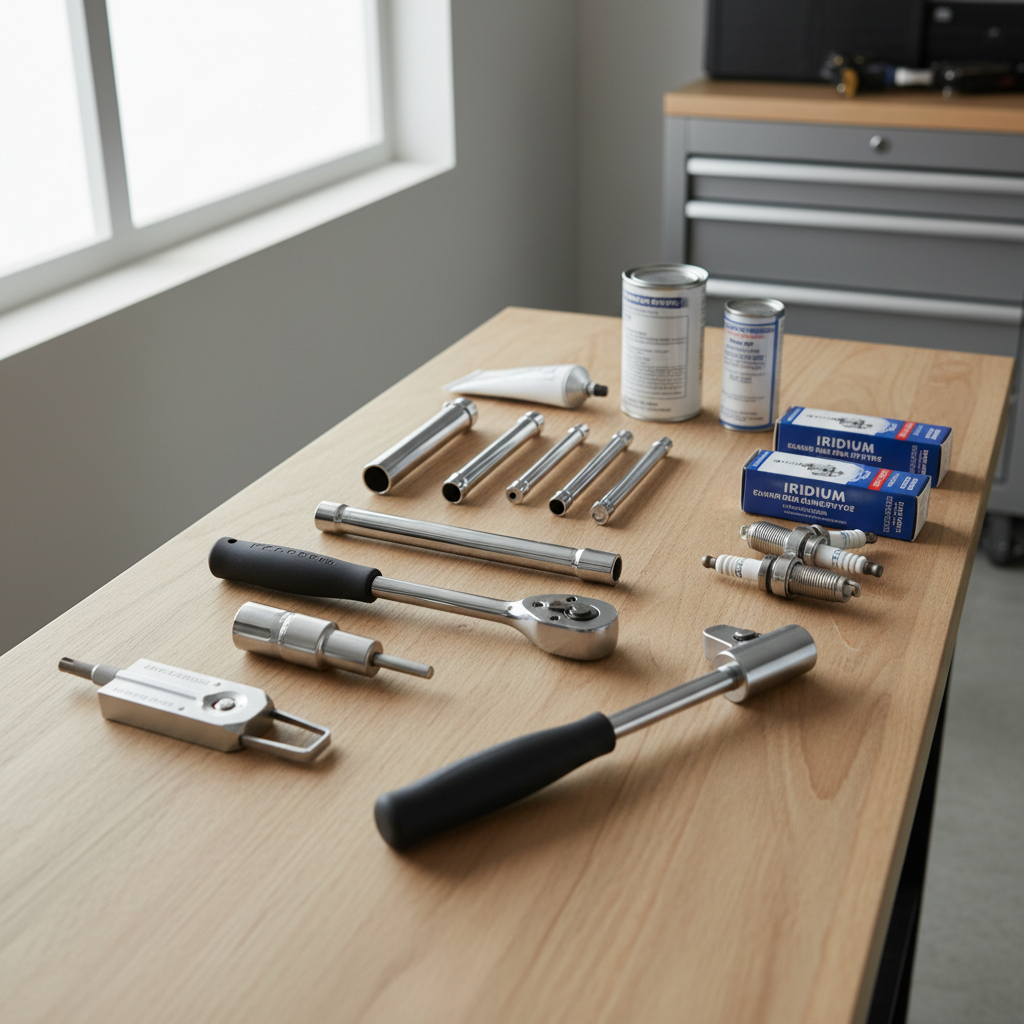
Tools and parts you’ll want before you start
Most people get stuck because they start with “a ratchet and vibes.” A few specific items save a lot of frustration, and help prevent expensive mistakes.
- Correct spark plugs (match OEM spec, heat range, and seat type)
- Spark plug socket (usually 5/8" or 13/16" with rubber insert or магнит)
- Ratchet + extensions (a wobble extension helps in tight bays)
- Torque wrench (important on aluminum heads)
- Gap gauge (coin or wire style, depending on plug type)
- Compressed air or a small blower (to clear debris around the plug wells)
- Dielectric grease for coil boots (light use)
About anti-seize: many modern plugs come with a special plating, and some manufacturers advise against adding anti-seize because it can alter torque readings. If your service manual specifies it, follow that; otherwise keep it conservative and prioritize proper torque.

Safety and prep: small steps that prevent big headaches
Before you touch anything, let the engine cool. Hot aluminum threads are easier to damage, and hot exhaust parts make a rushed job even worse.
- Park on level ground, set the parking brake, open the hood.
- If your intake or engine cover blocks access, remove it carefully and set fasteners aside.
- Disconnect the negative battery terminal if you’re likely to bump electrical connectors or tools near the starter area. Many people skip this, but it can reduce “oops” moments.
- Clean around coil packs and plug wells with air before removal, so grit doesn’t fall into the cylinder.
According to OSHA, controlling hazards in maintenance work includes basic steps like de-energizing equipment and using proper tools. You’re not doing industrial lockout-tagout in your driveway, but the mindset still helps.
Step-by-step: how to change spark plugs in car (coil-on-plug engines)
Most modern cars in the U.S. use coil-on-plug (one coil per cylinder). The workflow stays similar across brands, but always check your owner’s manual or a service manual for specs like plug gap and torque.
1) Remove coils one at a time
Unplug the coil connector, then remove the coil bolt if it has one. Twist the coil boot gently to break the seal, then pull straight up. If you mix up coils between cylinders on a troubleshooting job, you can confuse your results, so keep parts in order.
2) Remove the old spark plug
Insert the spark plug socket with an extension, seat it fully, then loosen. If the plug feels unusually tight, don’t force it endlessly. A cautious back-and-forth motion can help, and if it still fights you, stopping early may save threads.
3) Inspect what came out
You’re not doing a lab analysis, but a quick look is useful.
- Normal wear: light tan/gray deposits, rounded electrode edges.
- Oil fouling: wet, oily plug could suggest valve cover leak into the well or internal oil consumption.
- Heavy black soot: can point to rich running, short trips, or ignition weakness.
- White blistering: possible overheating or wrong heat range, worth further diagnosis.
4) Check gap on the new plug (even if “pre-gapped”)
Many plugs are marketed as pre-gapped, but shipping and handling can still bend an electrode. Verify the gap matches spec for your engine. For iridium/platinum plugs, adjust carefully to avoid damaging the fine tip.
5) Install the new plug by hand first
This is the thread-saver step. Start threading with the socket and extension only, no ratchet, using just your fingers. If it doesn’t spin in smoothly, back it out and try again. Cross-threading is the expensive mistake here.
6) Torque to spec
Use a torque wrench and the manufacturer’s spec. If you can’t access a spec, many plug makers provide general guidance based on thread size and seat type, but a vehicle-specific spec is safer. Over-tightening risks thread damage; under-tightening can cause combustion blow-by and misfires.
7) Reinstall coils with a light touch
Put a small amount of dielectric grease inside the coil boot if desired, then push the coil down until it seats. Reconnect the electrical connector, reinstall bolts, and repeat cylinder by cylinder.
Self-check checklist: are you likely to succeed DIY?
Some plug jobs are easy. Others hide plugs under intake manifolds or cowl panels and turn into a weekend project. Be honest with these checkpoints.
- You can clearly see and reach the ignition coils without removing major components.
- You have the correct socket, extensions, and a torque wrench.
- You can look up the torque spec and plug gap for your exact engine.
- No history of plugs being seized, and mileage isn’t extremely high with unknown maintenance.
- You can work slowly with the engine cold, not rushing before work.
If two or more items feel shaky, you can still do it, but you’ll want more time, more patience, and maybe a backup plan.

Common mistakes that cause misfires after a plug change
If the car ran fine and now it doesn’t, the problem is often something small, and irritatingly easy to miss.
- Coil connector not fully clicked: looks connected, isn’t.
- Coil boot not seated: causes arcing and misfire under load.
- Wrong plug type: similar part number, different reach or seat, can cause misfire or damage.
- Incorrect gap: too wide can stress coils, too tight can weaken spark.
- Debris in plug well: falls in, plug can’t seat, compression leak.
- Over-torqued plugs: thread damage may not show until next service.
Key point many DIYers miss: if your engine uses separate plug wires (older setups), routing matters, and wire mix-ups create instant misfires. Label before removal.
After-install checks and a simple test drive routine
Before you declare victory, do a quick sanity pass.
- All tools removed from the engine bay.
- All coil bolts snug, connectors seated.
- Engine cover and intake parts reinstalled, no leftover fasteners.
- Start the engine and listen for smooth idle, no ticking around plug seats.
For the test drive, keep it boring: a few minutes of neighborhood speeds, then moderate acceleration onto a main road. If a check engine light flashes, stop driving and re-check your work; a flashing light can indicate an active misfire that may damage the catalytic converter.
When it’s smarter to call a pro
Some situations are less “DIY tutorial” and more “risk management.” If any of these show up, getting a reputable shop involved can be the cheaper path.
- You feel strong resistance removing a plug, especially on an engine known for plug issues.
- Plugs sit under an intake manifold, fuel rail, or hard-to-reseal components.
- You see oil pooled in plug wells, which often points to valve cover gasket or tube seal leaks.
- Misfire persists after replacement, suggesting coils, injectors, vacuum leaks, or compression concerns.
According to NHTSA, unresolved engine issues can affect safe operation, and warning lights should be taken seriously. If you’re unsure, a diagnostic fee can save you from swapping parts blindly.
Conclusion: the cleanest way to get reliable results
If you want how to change spark plugs in car to be a smooth Saturday project, keep it simple: verify the exact plug spec, work on a cold engine, start threads by hand, and torque to spec. Those four habits prevent most of the horror stories.
Your next action can be small: look up your engine’s plug interval and torque spec, then decide if your access is straightforward. If it is, gather tools first and plan for unhurried time, the job usually feels a lot less intimidating once you’re set up.
Key takeaways
- Match OEM plug spec before buying, similar-looking plugs can be wrong.
- Hand-thread first to avoid cross-threading in aluminum heads.
- Torque matters more than most DIYers expect.
- If a misfire remains, plugs may not be the root cause, diagnose instead of guessing.
FAQ
How often should I change spark plugs?
It depends on plug material and vehicle design. Many modern iridium/platinum plugs run longer intervals, while older copper plugs often need more frequent service. Check your owner’s manual for the interval that matches your engine.
Do I need to disconnect the battery to replace spark plugs?
Not always, but it’s a reasonable precaution if you’ll be unplugging multiple connectors or working near exposed electrical terminals. If your vehicle has memory settings you care about, consider using a memory saver or be prepared to reset them.
Should I use anti-seize on spark plug threads?
Many plug manufacturers discourage it on plated threads because it can change the effective torque and increase over-tightening risk. If your factory service info calls for it, follow that guidance; otherwise, focus on clean threads and correct torque.
What happens if I over-tighten a spark plug?
Over-tightening can stretch the plug shell, damage threads in the cylinder head, or make future removal difficult. In worst cases, thread repair is needed, which is why a torque wrench is worth using.
Why did my car start misfiring after changing plugs?
Most commonly it’s a connector not fully seated, a coil boot not clicked onto the plug, a cracked boot, or an incorrect gap. Recheck each cylinder methodically before assuming a bigger problem.
Can I change spark plugs without a torque wrench?
You can, but results vary by experience and access. On aluminum heads, torque control helps avoid both loose plugs and damaged threads, so it’s strongly recommended if you want consistent outcomes.
Do “performance” spark plugs make a stock engine faster?
Usually, a stock engine runs best on the plug type and heat range it was designed for. Upgrades tend to help most when they restore lost performance from worn parts, not when the engine is already healthy.
If you’re trying to avoid a comeback issue after a plug swap, or you want a more tailored checklist for your exact make, model, and engine layout, it can help to follow a vehicle-specific service guide or ask a trusted shop to confirm specs before you buy parts.