
How to diagnose car bad fuel pump symptoms usually comes down to one question: is the engine missing fuel, or is something else (spark, air, sensor) causing similar behavior. You don’t need a full shop to get closer to the answer, but you do need a structured approach, otherwise you end up swapping parts based on vibes.
The reason this matters is simple, fuel-delivery problems can leave you stranded, and a weak pump can mimic issues like a clogged filter, failing relay, bad crank sensor, or even low battery voltage. Diagnose well and you save money, time, and a lot of frustration.
Below you’ll find a practical symptom-to-test flow, a quick self-check list, a table that separates common causes, and a few “stop here and get help” moments where safety and accuracy matter more than DIY confidence.

What a failing fuel pump looks like in real life
Fuel pumps rarely go from “fine” to “dead” without some warning. Many times you’ll notice intermittent issues first, especially under load or heat soak, then it gradually gets harder to start or maintain power.
- Crank-no-start where the engine spins but never catches, sometimes after it ran fine earlier.
- Long crank (starts, but only after several seconds) especially after sitting overnight.
- Hesitation or bogging when merging, climbing hills, or accelerating hard.
- Stalling at idle or dying at stops, then restarting after a short wait.
- Misfire-like stumble that feels like ignition, but shows up more under load.
- Whining from the tank area that changes pitch with key-on or running.
Key point: these are fuel-delivery symptoms, not “fuel pump guaranteed.” A clogged filter, failing pressure regulator, leaking injector, or electrical feed problem can create the same movie with different villains.
Quick triage: is it fuel, spark, or electrical?
If you’re trying to avoid rabbit holes, start with fast checks that don’t require disassembly. This is also the easiest way to narrow how to diagnose car bad fuel pump symptoms without buying parts first.
1) Listen for the prime
On many cars, turning the key to ON (not start) triggers a 1–3 second fuel pump prime. Stand near the rear seat or fuel tank area and listen.
- If you hear a brief hum, the pump may be running.
- If you hear nothing, it could be the pump, relay, fuse, wiring, or the car simply doesn’t prime audibly on that model.
2) Check battery voltage and cranking speed
Weak voltage can cause low pump output and poor injector operation, plus it can confuse sensors. If the starter sounds slow or the dash lights dim heavily while cranking, handle that first.
3) Scan for codes (even if the check engine light is off)
Some fuel-related issues log pending codes. According to U.S. EPA, OBD systems are designed to monitor emissions-related components and store diagnostic trouble codes when faults are detected, which can help point you toward fuel trim or misfire clues.
- P0171/P0174 (lean) can align with low fuel pressure, but also vacuum leaks.
- P0300 random misfire can be fuel or ignition.
- Rail pressure codes (varies by make) are stronger hints if your vehicle measures it.
Self-check checklist before you blame the pump
This is the “don’t skip it” section. A lot of people replace a pump when the actual issue is power supply, a clogged filter, or a bad ground.
- Fuel in the tank: gauge errors happen, especially on older vehicles.
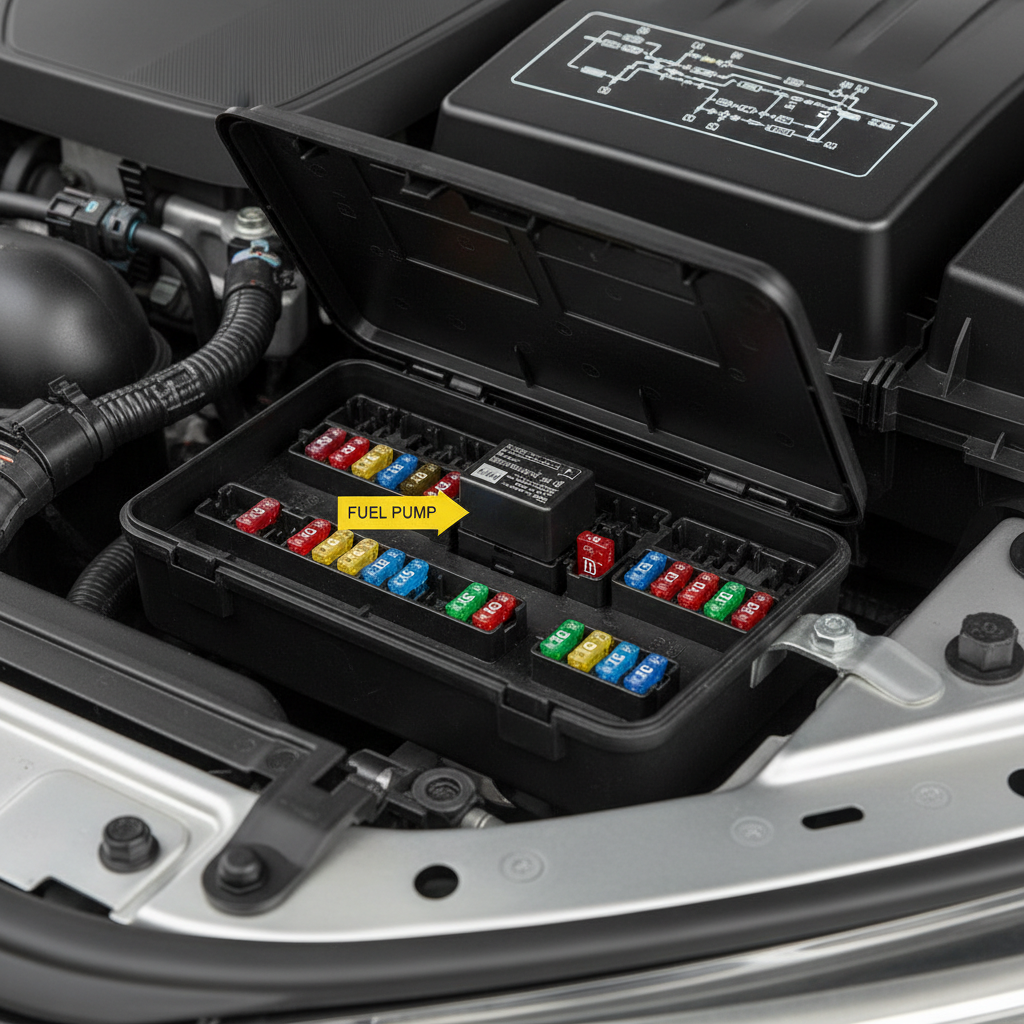
- Fuses: fuel pump fuse, ECM/PCM fuse, ignition-related fuses.
- Relay: swap with an identical known-good relay (often same part number in the fuse box).
- Inertia switch (some vehicles): make sure it hasn’t tripped.
- Recent work: was the tank run very low, did someone install a stereo and disturb wiring, did a shop pinch a harness?
- Fuel filter (if serviceable): a restricted filter can mimic a weak pump.
- Vacuum leaks: a big unmetered air leak creates lean running that feels like fuel starvation.
Tests that actually confirm fuel pump problems
If you want more certainty, you need at least one measurement. The best single test is fuel pressure (and sometimes volume), because it separates “pump is weak” from “pump isn’t being powered.”
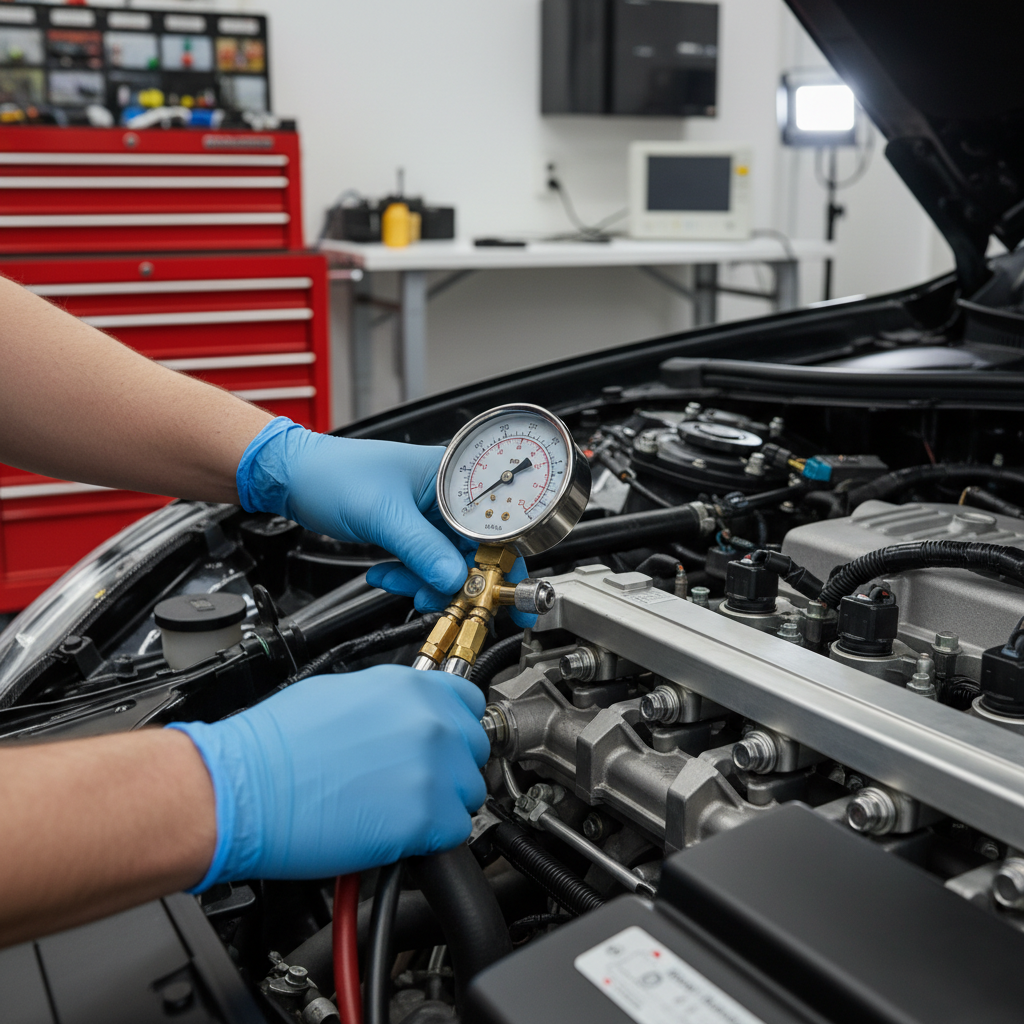
Fuel pressure test (preferred)
Many vehicles have a Schrader valve on the fuel rail; others require an adapter inline. Compare readings to the manufacturer spec for your engine.
- Low pressure at key-on prime and idle can indicate a weak pump, restriction, or regulator issue.
- Pressure that builds slowly can point to a weak pump or a leaking check valve in the pump module.
- Pressure drops quickly after shutdown can be a leaking injector, regulator, or pump check valve, so don’t assume pump immediately.
According to NHTSA, gasoline is highly flammable and fuel system work carries fire risk, so if you’re not comfortable relieving pressure and preventing sparks, it’s reasonable to have a shop run the gauge test.
Electrical feed test at the pump connector
If pressure is low, confirm the pump is getting proper power and ground. Many “bad pump” cases are actually voltage drop from corrosion, a failing relay contact, or a weak ground.
- Check for battery-like voltage during prime and cranking (it may be brief).
- Do a voltage drop test on power and ground while the pump runs, high drop suggests wiring/connection issues.
Fuel volume / flow test (when pressure alone isn’t enough)
Some pumps can show borderline pressure but fail under demand. Volume testing is more involved and often best handled by a professional shop, but it’s the right next step if symptoms appear mainly on hard acceleration.
Symptom-to-cause table (fuel pump vs look-alikes)
This table is not meant to replace testing, it’s meant to keep you from tunnel vision while you work through how to diagnose car bad fuel pump symptoms.
| Symptom | Fuel pump more likely when… | Other common causes to rule out |
|---|---|---|
| Cranks but won’t start | No pressure at rail, pump silent, power/ground confirmed | Crank sensor, immobilizer, blown fuse, no spark, flooded engine |
| Long crank after sitting | Pressure bleeds down quickly and check valve suspect | Leaking injector, regulator leak, evap purge stuck open |
| Hesitation under load | Pressure drops during acceleration, lean trims under load | Clogged filter, MAF sensor, vacuum/boost leaks, ignition coils |
| Random stalling | Pump voltage drop spikes, intermittent power at connector | Relay heat-soak, crank sensor, throttle body issues, wiring faults |
| Whining near fuel tank | Noise increases, pressure borderline, worse when tank low | Normal pump sound (some models), tank resonance, exhaust noise |
Step-by-step: a practical diagnostic path you can follow
If you want a clean workflow, this sequence usually reduces repeat work and keeps the risk low.
- Step 1: Confirm the symptom pattern, cold vs hot, idle vs load, happens after refuel or after sitting.
- Step 2: Do fuse/relay/inertia checks, then listen for prime.
- Step 3: Scan for codes and review fuel trims if your scanner supports live data.
- Step 4: Measure fuel pressure and compare to spec, then repeat under load if possible.
- Step 5: If pressure is low, test pump power and ground under operating conditions.
- Step 6: If power/ground good and pressure/volume fail, the pump module becomes the leading suspect.
Quick reality check: if you only do Step 2 and skip Step 4, you’ll be guessing. Pumps can run and still be weak.
Common mistakes that waste time (and sometimes money)
- Assuming “no start” equals “bad pump”, ignition and security systems can look the same from the driver seat.
- Ignoring voltage drop, a pump can test “12V” with no load yet starve under real conditions.
- Skipping the filter question, some vehicles still have serviceable filters that quietly restrict flow.
- Replacing parts before verifying specs, pressure numbers matter more than the sound a pump makes.
- Working around fuel without a safety plan, open flames, hot lights, or smoking nearby is a hard no.
If you’re seeing repeated lean codes, don’t forget intake leaks. A smoke test often finds problems faster than swapping fuel parts.
When it’s smarter to involve a professional
Fuel systems mix flammable liquid, electrical current, and tight spaces, so there are moments where it’s completely reasonable to stop DIY.
- You can’t access the pump connector without dropping the tank and you’re not equipped to support it safely.
- You need a volume test, scope testing, or advanced scan data interpretation.
- The vehicle is direct-injection with high-pressure fuel components you’re not familiar with.
- You smell strong fuel odor, see leaks, or suspect a damaged line, that’s a safety issue.
Also, if the car dies unpredictably in traffic, consider towing for diagnosis. Intermittent fuel delivery problems can escalate fast, and diagnosing safely matters more than convenience.
Conclusion: the cleanest way to confirm a bad fuel pump
When people ask how to diagnose car bad fuel pump symptoms, the most reliable answer is still: verify pressure (and ideally voltage under load), then decide. Listening for prime and swapping relays can help, but measurement is what turns suspicion into a confident call.
- If you do one thing: get an accurate fuel pressure reading and compare it to your vehicle spec.
- If you do two: add a power/ground voltage drop test before condemning the pump.
If your results are borderline, don’t rush it, repeat tests when the symptom is actively happening, because intermittent faults love to “disappear” the moment you pull tools out.
FAQ
How do I know if it’s the fuel pump or the battery?
If cranking is slow and voltage drops heavily during start, handle the battery/charging side first. A weak electrical system can cause low pump output and false symptoms, so confirm healthy voltage before blaming the pump.
Can a fuel pump be bad if I still hear it humming?
Yes. A pump can run and still fail on pressure or volume, especially under load. The hum only tells you something is spinning, not that the engine is getting enough fuel.
What codes point to a bad fuel pump?
Lean codes like P0171/P0174 or misfire codes can be consistent with low fuel delivery, but they’re not exclusive to the pump. Treat codes as direction, then confirm with a pressure test.
Will a clogged fuel filter feel like a failing fuel pump?
Often, yes. A restricted filter can cause hesitation, power loss, and lean conditions similar to a weak pump. If your vehicle has a serviceable filter and it’s overdue, it deserves attention during diagnosis.
Why does the car run better with a full tank?
In many cases the pump stays cooler and has an easier time maintaining steady supply when the tank is fuller. If symptoms worsen when the tank is low, that can support a pump or pickup issue, but it still needs testing.
Is it safe to test fuel pressure at home?
It can be, but only if you follow safe procedures, work in a ventilated area, avoid sparks, and know how to relieve fuel pressure correctly. If you’re unsure, a shop can run the test quickly and more safely.
How long can I drive with a weak fuel pump?
It varies. Some vehicles limp along for weeks, others quit without warning, especially under heat or heavy load. If stalling is happening, it’s safer to limit driving and get it diagnosed soon.
If you’re trying to pin down a stubborn fuel-delivery issue and want a more straightforward path, a shop or mobile technician with the right fuel pressure adapters and electrical testing tools can confirm the root cause faster, especially on newer vehicles where access and specs get tricky.