
The best car trash can with lid is the one that stays shut on bumps, doesn’t leak when something wet ends up inside, and fits where you’ll actually use it, usually the door pocket, center console, or behind a seat.
If you’ve ever opened your car and caught a whiff of old coffee cups or fast-food wrappers, you already know the real issue isn’t “having trash,” it’s containing smell and mess while you drive. A lid matters because it reduces odor, hides clutter, and prevents that awkward moment when a wrapper flies out at a stoplight.
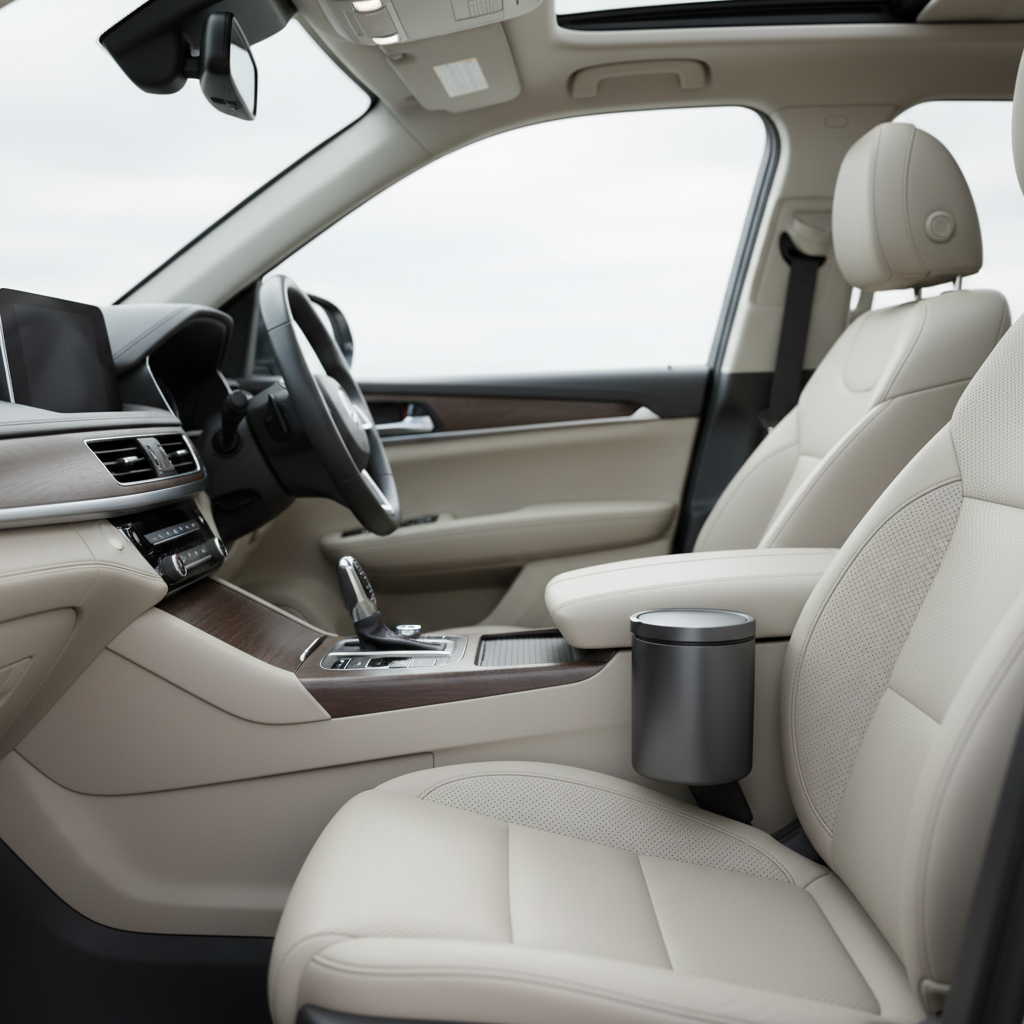
This guide is built for real-life use: kids in the back seat, daily commutes, road trips, and cars that don’t have infinite storage. You’ll get a simple way to pick the right style, a comparison table, and setup tips that prevent the common “nice idea, never used” outcome.
What “with lid” really solves (and what it doesn’t)
A lid is not just aesthetics. In many cars, it’s the difference between “trash is contained” and “trash is a passenger.” Still, it helps to be honest about what lids can and can’t do.
- Odor control: A lid reduces airflow over food waste, which often reduces smell. It won’t magically neutralize odors if the bag sits for a week.
- Spill and leak prevention: Helpful if the bin has a sealed liner or a rigid inner bucket. A lid alone won’t stop liquids if the container flexes.
- Visual clutter: A covered top keeps your cabin looking clean, especially if you drive clients or rideshare.
- Safety and distraction: A stable bin means less reaching around for a grocery bag mid-drive. According to NHTSA, driver distraction is a major safety concern, so anything that reduces “cleanup chaos” is a practical win.
What it doesn’t solve: if you routinely toss half-full drinks, you need a leak-resistant liner and a cleaning routine, not just a lid.
Quick comparison: top styles of lidded car trash cans
When people search for the best car trash can with lid, they often expect one “best” product, but in practice it’s about choosing the right format for your cabin layout and habits.
| Style | Best for | Pros | Watch-outs |
|---|---|---|---|
| Hanging (headrest/console strap) | Families, road trips | Easy access for back seat, bigger capacity | Can swing if not secured, may bump legs |
| Cup-holder bin | Solo commuters | Super convenient, doesn’t take floor space | Small capacity, some lids pop open on rough roads |
| Door-pocket mini bin | Daily wrappers, receipts | Out of the way, easy to empty | Fit varies a lot by vehicle, can interfere with bottles |
| Floor canister (weighted base) | Drivers who want stability | Feels “home-like,” stable if sized right | Can steal foot space, needs careful placement |
| Collapsible waterproof bin | Messy road trips, takeout | Folds down, often easier to rinse | Lid seal quality varies, fabric can hold odors |
Buying checklist: how to pick the right one for your car
The fastest way to avoid buying twice is to match the bin to where it will live. Measure first if your car has tight storage, especially small sedans and compact crossovers.
- Mounting location: center console side, seatback, door pocket, or cup holder. Pick one spot and commit.
- Lid mechanism: flip-top, spring lid, push lid, or magnetic. If you drive on rough pavement, choose a lid that locks or snaps, not a loose swing lid.
- Liner system: built-in rigid bucket, removable liner, or bag clips. Bag clips sound small, but they prevent the bag from collapsing inside.
- Water resistance: if coffee cups or smoothie lids show up in your trash, prioritize waterproof materials and seams.
- Capacity: small is fine for commuters, but families usually need something that lasts 2–4 days without overflowing.
- Cleaning reality: smooth plastic cleans fastest; fabric looks nice but can hold smell if liquids soak in.
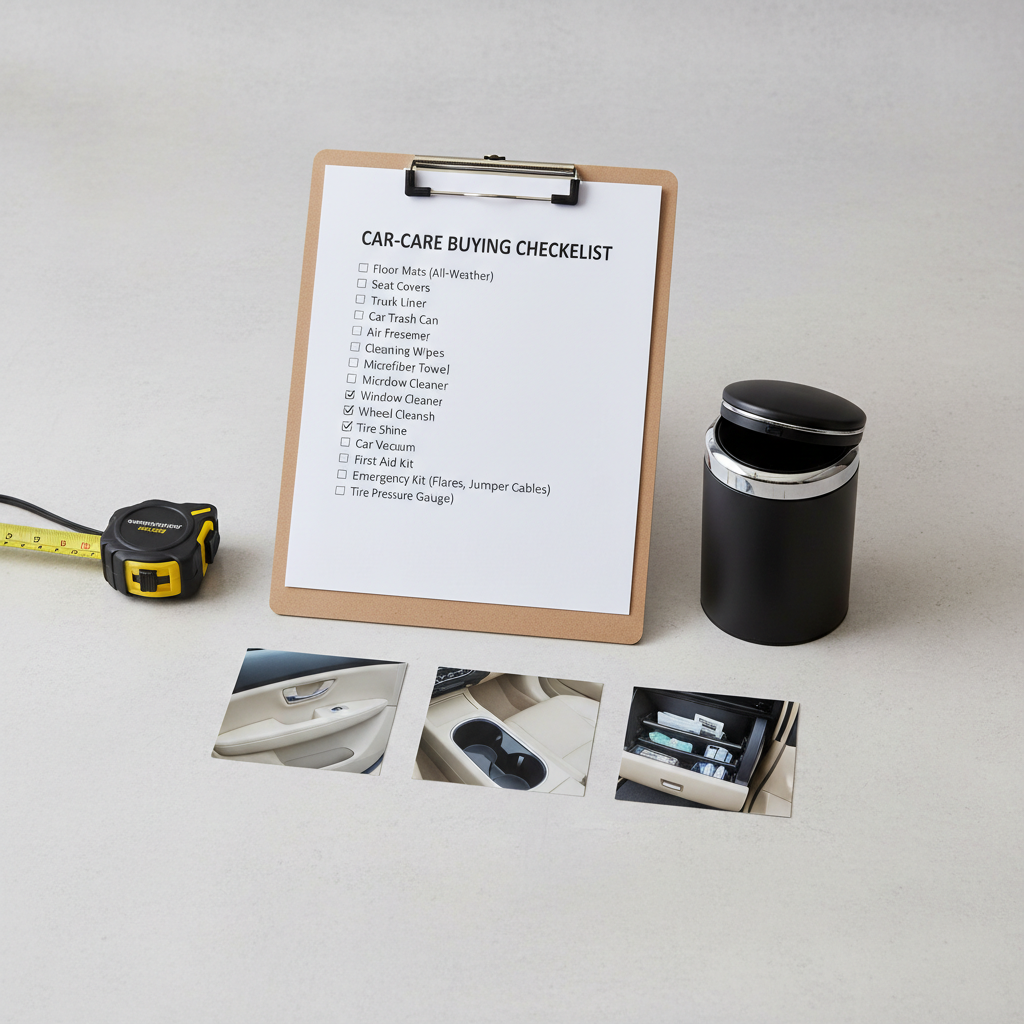
Key point: If you can’t open the lid one-handed, you’ll stop using it. Convenience beats “perfect features” almost every time.
Match the bin to your driving scenario (real-world picks)
1) Daily commute, mostly dry trash
You’ll do best with a compact cup-holder bin or door-pocket mini bin, plus a simple push lid. It keeps receipts, gum wrappers, and napkins from drifting into seat cracks.
- Go small, empty often
- Choose a lid that opens quietly and closes firmly
- Skip fabric if you spill coffee regularly
2) Kids, snacks, and back-seat chaos
A hanging bin behind the center console usually wins because passengers can reach it without tossing trash forward. Look for a rigid opening ring so the bag stays open.
- Prioritize larger capacity and strong straps
- Pick a lid that stays shut when someone kicks the seat
- Add a second small bin up front if you drive long days
3) Road trips with takeout, cups, and “mystery liquids”
This is where “with lid” matters most. A waterproof, easy-rinse bin with a tight lid reduces smells and makes end-of-trip cleanup less miserable.
- Look for a removable inner bucket or waterproof liner
- Keep spare bags in the bin pocket if it has one
- Consider odor-absorbing inserts, but don’t treat them as a substitute for emptying
Setup tips that make it actually get used
Most bins fail because of placement, not quality. Spend five minutes setting it up like you mean it.
- Place it where your hand naturally goes while parked, then test it seated with the seatbelt on.
- Stabilize it: if it hangs, tighten straps; if it sits on the floor, wedge it so it can’t tip during turns.
- Use small bags (or a dedicated liner) so you’re willing to empty it more often.
- Create a reset routine: empty during gas stops or Sunday car wash, whichever is more realistic.
According to CDC guidance on cleaning and disinfecting, routine cleaning with appropriate products can reduce contamination risk in shared spaces; for cars, that usually translates to wiping high-touch surfaces and not letting food waste linger.
Common mistakes to avoid (they’re surprisingly predictable)
These show up again and again in “why does my car still feel messy?” situations.
- Buying too big for the cabin: it becomes an obstacle, so you move it, then stop using it.
- Assuming any lid is odor-proof: if smells are a problem, you need frequent emptying and a wipe-down plan.
- No bag retention: a loose bag collapses, trash misses the opening, then the bin feels “pointless.”
- Putting it where knees and feet hit it: especially in the front passenger area.
- Ignoring heat: in summer, food waste can smell faster; treat the bin like something you empty more often.
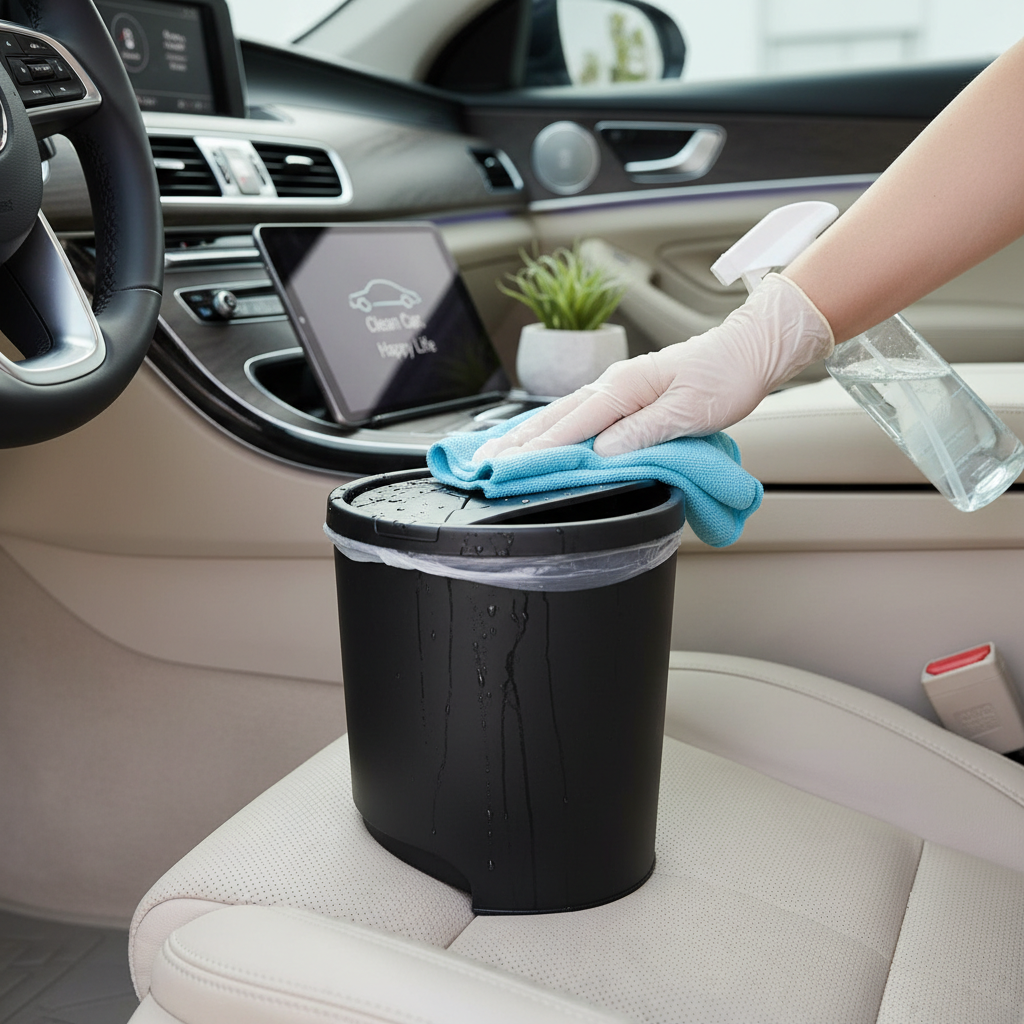
If your goal is a consistently clean cabin, the bin is only half the system. The other half is making it easy to empty and easy to wipe.
Conclusion: the “best” choice is the one you’ll empty
The best car trash can with lid for 2026 usually isn’t the fanciest, it’s the one with a lid that stays closed, a liner setup that doesn’t annoy you, and a size that fits your actual storage spots. Pick the style that matches your driving pattern, set it up so it doesn’t wobble, and build a simple emptying rhythm you’ll keep.
If you do one thing today, measure your preferred mounting spot and choose a bin style around that. If you do two things, add a small pack of liners in the glove box so “I’ll deal with it later” doesn’t become the default.
FAQ
What size lidded car trash can should I buy?
For a solo commute, small capacity often works because you can empty it frequently. For families or rideshare, medium capacity tends to feel less frustrating, as long as it doesn’t block legroom.
Are lidded car trash cans actually smell-proof?
Many reduce odor, but “smell-proof” depends on lid seal quality, liner type, and how long trash sits inside. In warm climates, even a good lid may need more frequent emptying.
Is a hanging trash can safe while driving?
Generally it can be, if it’s tightly secured and doesn’t swing into legs or pedals. Avoid any setup that could interfere with driver controls, and test it while parked before regular use.
What’s better: flip lid or push lid?
Push lids can be quick for one-handed use, but some open too easily on bumps. Flip lids often close more securely, especially if they snap shut, so they can be better on rough roads.
How do I keep liquids from leaking inside a car trash can?
Choose a waterproof liner or rigid inner bucket, and avoid tossing open containers. If leaks happen often, consider keeping a separate sealed “liquid bag” and empty it sooner.
Where should I place a car trash can with lid?
Most drivers succeed with cup holder, door pocket, or behind the center console. The best spot is the one you can reach without twisting, and that doesn’t get kicked.
How often should I empty it?
Many people do it weekly, but if you throw away food or drinks, every few days tends to prevent odors. In hot weather, you may want to empty it even more often.
Can a car trash can help with overall car cleanliness?
Yes, mostly by preventing loose trash from spreading. It won’t replace regular detailing, but it usually makes wipe-downs faster and keeps the cabin feeling under control.
If you’re trying to keep your car consistently clean without thinking about it every day, start by choosing a lidded bin that fits your most-used spot and feels effortless to open, that small “friction” detail tends to matter more than any bonus feature list.