
The best car air freshener for smoke is the one that does more than “cover it up”, it absorbs, neutralizes, and keeps working after the first strong scent fades.
If you’ve ever cleaned your car, sprayed something nice, then had the smoke smell creep back on the next warm day, you already know the problem, smoke odor settles into fabric, vents, and even the headliner. A good product helps, but picking the right type matters more than picking the loudest fragrance.
This guide breaks down what actually works for cigarette and cannabis smells in real-life cars, plus a quick self-check, a comparison table, and a simple routine you can repeat when the odor returns.
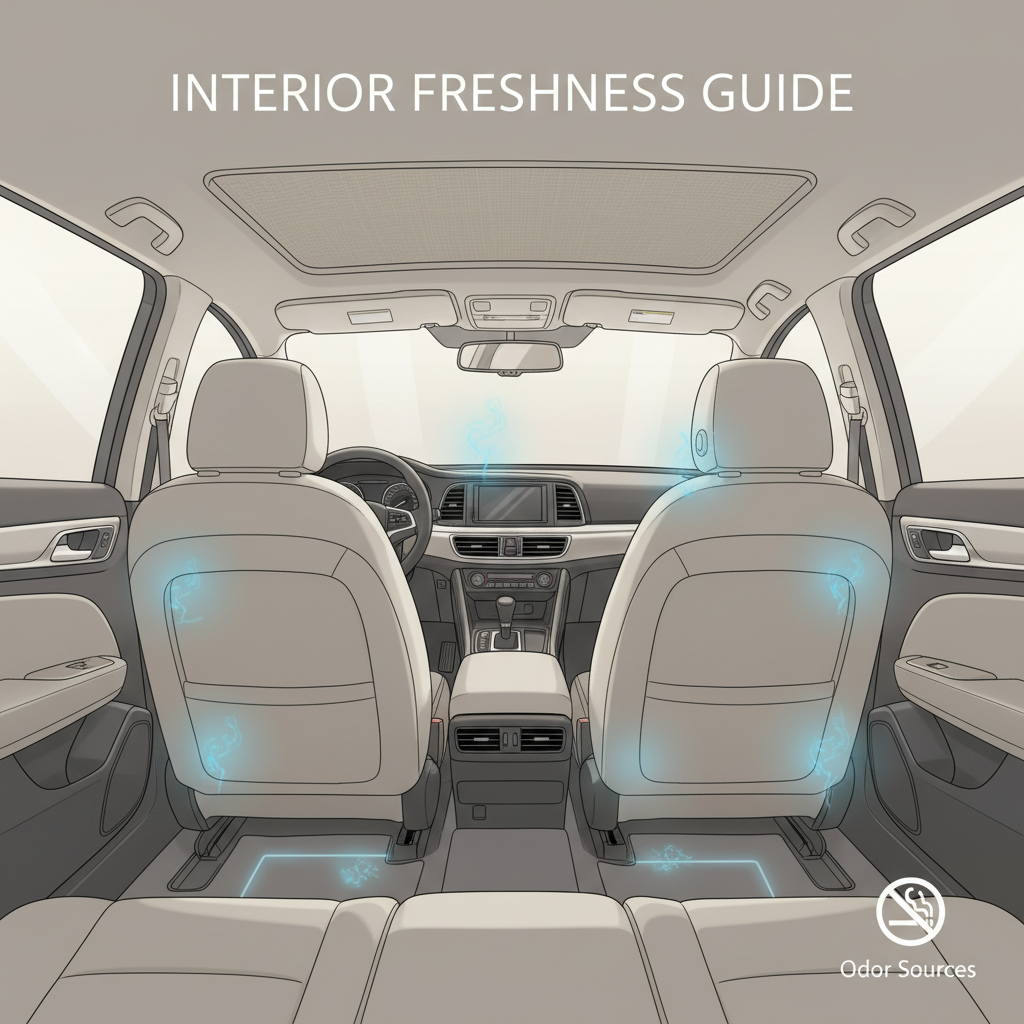
Why smoke odor is so hard to remove in a car
Smoke is not just one smell, it’s a mix of gases and sticky particles that cling to surfaces. That’s why it comes back after you think you solved it.
- Soft materials trap particles: seats, carpet, and the headliner hold odor longer than hard plastics.
- HVAC systems recirculate smell: residue can linger in cabin air filters and ducts, so the first blast of AC brings it right back.
- Heat reactivates odor: warm sun on upholstery can make old smoke smell stronger again.
- “Cover scents” fade fast: strong perfumes mask temporarily but often mix with smoke and feel worse.
According to the U.S. Environmental Protection Agency (EPA), secondhand smoke contains a mixture of chemicals that can persist in indoor environments. In cars, the small space and fabric surfaces make that persistence feel even more obvious.
Quick self-check: what kind of smoke problem do you have?
Before buying anything, identify the scenario, because the best car air freshener for smoke changes depending on where the odor lives.
- Light, recent smell: someone smoked once, windows were closed, odor mostly in the air.
- Regular smoker car: daily or weekly smoking, seats and headliner hold odor.
- Weed smell: often intense at first, then lingers in fabrics and vents, some fragrances clash with it.
- Vents smell like smoke: odor hits hardest when AC/heat turns on.
- “It returns after cleaning”: you removed surface odor, but particles remain in hidden areas.
If your eyes or throat feel irritated when you first enter the car, that can be a sign you’re dealing with more than a mild scent issue. In that case, product choice plus deeper cleaning usually makes more sense.
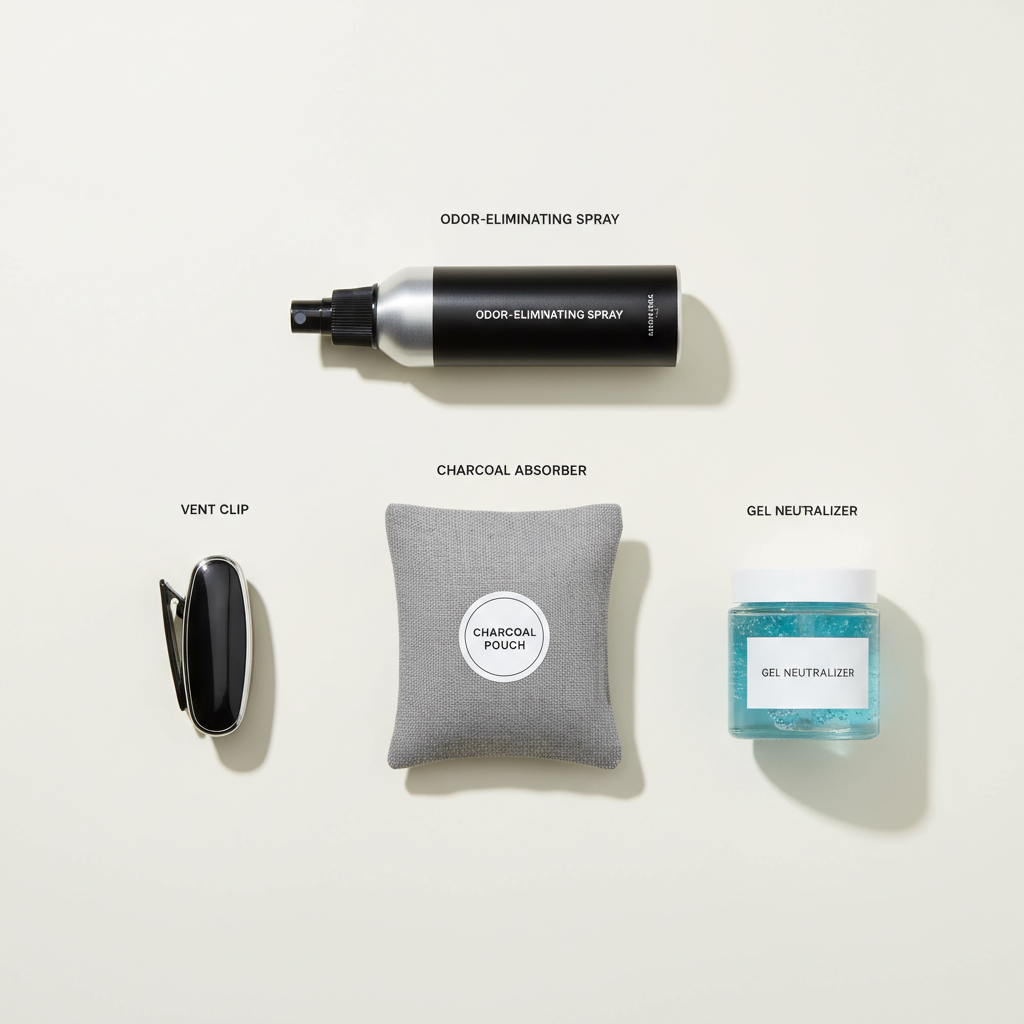
What actually works: types of air fresheners (and what they’re good at)
Most options fall into four buckets. The trick is matching the bucket to your situation, not chasing the most popular scent.
- Activated charcoal / carbon bags: absorb odors over time, low fragrance, great for maintenance and fabric-heavy cars.
- Gel odor absorbers: steady, slow release, good for consistent mild-to-medium odor, easier than sprays.
- Enzyme or odor-neutralizing sprays: best for “resetting” fabrics and carpets, but you need to apply correctly.
- Vent clips and hanging fresheners: mainly fragrance, helpful after neutralizing, weak as a standalone fix.
When people say the best car air freshener for smoke “did nothing,” it’s often because they used a fragrance-only product on a car that needed absorption plus cleaning.
Comparison table: choosing the best option for your car
Use this as a practical filter. You can absolutely combine methods, but this helps you pick your starting point.
| Type | Best for | Strengths | Limitations |
|---|---|---|---|
| Activated charcoal bag | Lingering smoke in fabrics | Low scent, steady absorption, reusable | Not instant, needs airflow exposure |
| Gel odor absorber | Daily mild-to-medium odor | Set-and-forget, consistent output | Can struggle with heavy smoker cars |
| Odor-neutralizing spray (enzyme/neutralizer) | Seat/carpet/headliner hotspots | Targets source areas, fast impact | Overuse can leave residue, needs drying time |
| Vent clip freshener | Finishing touch after cleanup | Easy, immediate scent while driving | Mostly masking, may clash with smoke notes |
Practical routine: remove smoke odor, then keep it from coming back
If you want results that last, think in two phases: deodorize then maintain. Here’s a routine that usually fits most drivers without turning into a weekend project.
Step 1: Remove the “source load” (30–60 minutes)
- Empty trash, ash, wrappers, and anything porous that smells.
- Vacuum seats, carpet, and especially between seat rails.
- Wipe hard surfaces with a mild interior-safe cleaner, smoke film can hold odor.
Step 2: Fix the vent problem (often the missing step)
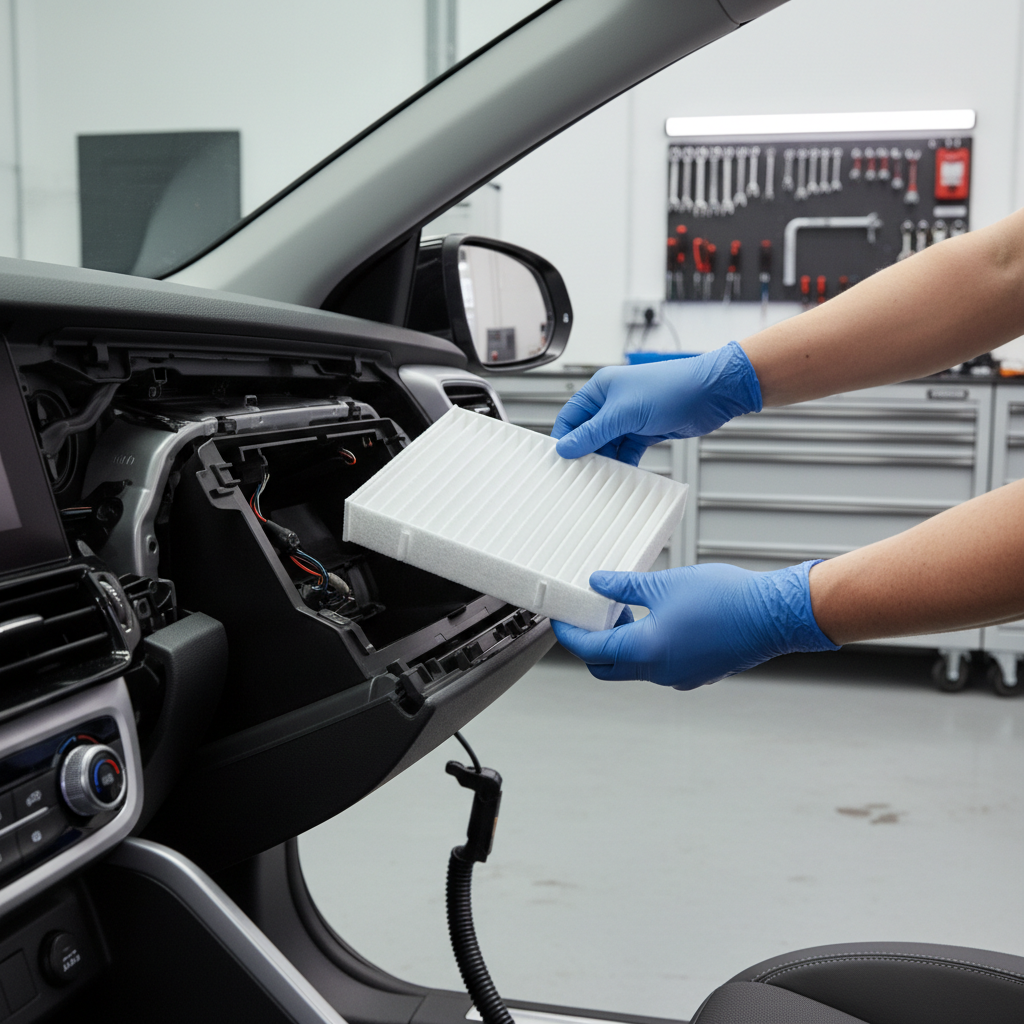
- Replace the cabin air filter if you don’t remember the last time, many cars hide a lot of smell there.
- Run the fan on fresh air for a few minutes after parking if possible, it reduces trapped odor.
According to the National Highway Traffic Safety Administration (NHTSA), maintaining vehicle systems helps safe operation. While they’re not an odor authority, the same idea applies here: basic maintenance like filters and airflow can prevent recurring issues.
Step 3: Choose the right product combo
- For light smoke: gel absorber + mild vent clip (optional).
- For recurring odor: charcoal bag under the seat + odor-neutralizing spray on fabrics.
- For vents smelling smoky: new cabin filter + a vent product for scent, not as the main fix.
How to place air fresheners for smoke (placement matters more than people think)
Even the best car air freshener for smoke can underperform if it’s stuck in the wrong spot. You want it near airflow or near the material holding odor, depending on the type.
- Charcoal bags: one under the driver seat, one under the passenger seat, avoid sealing them inside closed containers.
- Gel absorbers: in a cup holder or door pocket, upright, away from direct heat to reduce messy spills.
- Sprays: focus on carpet, seat fabric seams, and the headliner area where smoke rises, mist lightly and let dry with windows cracked.
- Vent clips: use as a finishing layer, aim for clean/neutral profiles (linen, cedar, light citrus) rather than heavy sweet scents.
A small but real tip: if you always park in the sun, choose lower-fragrance maintenance products. Heat can make perfume notes feel sharp and “chemical,” even when the product is fine.
Common mistakes that keep smoke smell in your car
- Masking too early: fragrance on top of smoke tends to create that stale sweet-smoke combo.
- Skipping the cabin filter: you clean everything, then the HVAC reintroduces odor.
- Over-spraying fabrics: more spray is not always better, it can leave a wet-dog or sticky residue smell.
- Ignoring the headliner: smoke rises, and the roof fabric is a quiet odor reservoir.
- Using harsh chemicals in a closed car: strong oxidizers or cleaners can irritate lungs and eyes, ventilate well and follow labels.
If you’re sensitive to fragrances, choose unscented absorbers first, then add a light scent only if you still want it.
When you may need professional help (or a deeper fix)
Some smoke situations outgrow consumer products. If the car was owned by a heavy smoker, or you still smell smoke after filters, vacuuming, and a few days of absorption, it may be time to escalate.
- Detailing with extraction: shampooing seats and carpets removes trapped residue more effectively than surface wiping.
- Ozone treatment: can reduce stubborn odors, but it must be done correctly. Ozone can be hazardous to breathe, so many people choose a professional service. If you’re considering it, read safety guidance and consult a qualified provider.
- HVAC cleaning: if the smell is strongest when the fan runs, ducts may need attention beyond a freshener.
According to the U.S. Environmental Protection Agency (EPA), ozone can cause respiratory irritation and should not be used in occupied spaces. If you go this route, treat it as a safety-first project, not a casual DIY hack.
Key takeaways (so you can buy once and move on)
- Neutralize first, scent second, especially for cigarette odor.
- For most cars, a spray + charcoal bag combo beats fragrance-only products.
- If vents smell smoky, replace the cabin air filter before shopping for stronger scents.
- The best car air freshener for smoke is usually the one you can maintain weekly, not the one that hits hardest on day one.
Conclusion: picking the right “best” for your situation
The best car air freshener for smoke depends on whether you’re fighting air odor, fabric residue, or vent recirculation. If you want the most reliable path, start with cleaning basics and a cabin filter swap, add an odor-neutralizing spray for fabrics, then keep a charcoal bag or gel absorber in the car to prevent the smell from rebuilding.
If you take one action today, make it this: treat the surfaces where smoke lives, then use fragrance as a light top note, not the main strategy.
FAQ
What is the best car air freshener for smoke smell from cigarettes?
For cigarette odor, absorption plus fabric treatment tends to work better than strong perfume. Many drivers get the most consistent results with an odor-neutralizing spray on seats and carpet, plus an activated charcoal bag for ongoing control.
Do vent clip air fresheners remove smoke odor or just cover it?
Most vent clips mainly add fragrance. They can help the car smell better while driving, but if smoke is embedded in fabric or the HVAC, they rarely solve the root cause on their own.
Why does smoke smell come back when the car heats up?
Heat can “reactivate” odor molecules trapped in upholstery and the headliner, so what seems gone on a cool morning can return on a warm afternoon. That’s a sign you need absorption and fabric-focused deodorizing, not only fragrance.
How long does an activated charcoal bag take to work for smoke?
Usually it’s gradual rather than instant. You may notice improvement over a few days, with better results after a week, especially if you also vacuum and reduce the odor source first.
What scent profiles work best with smoke odors?
Clean, dry scents tend to clash less with smoke residue, think light citrus, fresh linen, mild wood notes. Very sweet or heavy vanilla scents often mix with smoke and feel stale.
Should I replace the cabin air filter to get rid of smoke smell?
In many cases, yes. If the odor spikes when you turn on AC or heat, a new cabin filter is a simple, relatively low-cost step that can make your other products work better.
Is ozone safe for removing smoke smell in cars?
Ozone can reduce odors, but it can also irritate lungs and requires careful handling and ventilation. Many people choose professional services, and it’s wise to follow safety guidance and consult a qualified provider if you’re unsure.
If you want the easy version
If you’re dealing with smoke odor and you’d rather not experiment, a practical path is to start with a cabin air filter change, use a targeted odor-neutralizing spray on fabrics, then keep an absorber (charcoal bag or gel) under the seat for maintenance, it’s usually the least frustrating combination.