
The best car seat covers for dogs make car rides feel normal again: less fur embedded in fabric, fewer claw scratches, and a lot less stress when a wet dog hops in after the park. If you drive often with your pup, the right cover can save real cleaning time and help your interior hold up.
But not every “waterproof” cover survives a full year of muddy paws and sharp nails, and not every “universal fit” actually fits your back seat or cargo area. Some slip around, some block seat belts, and some trap odors in a way you only notice on a hot day.
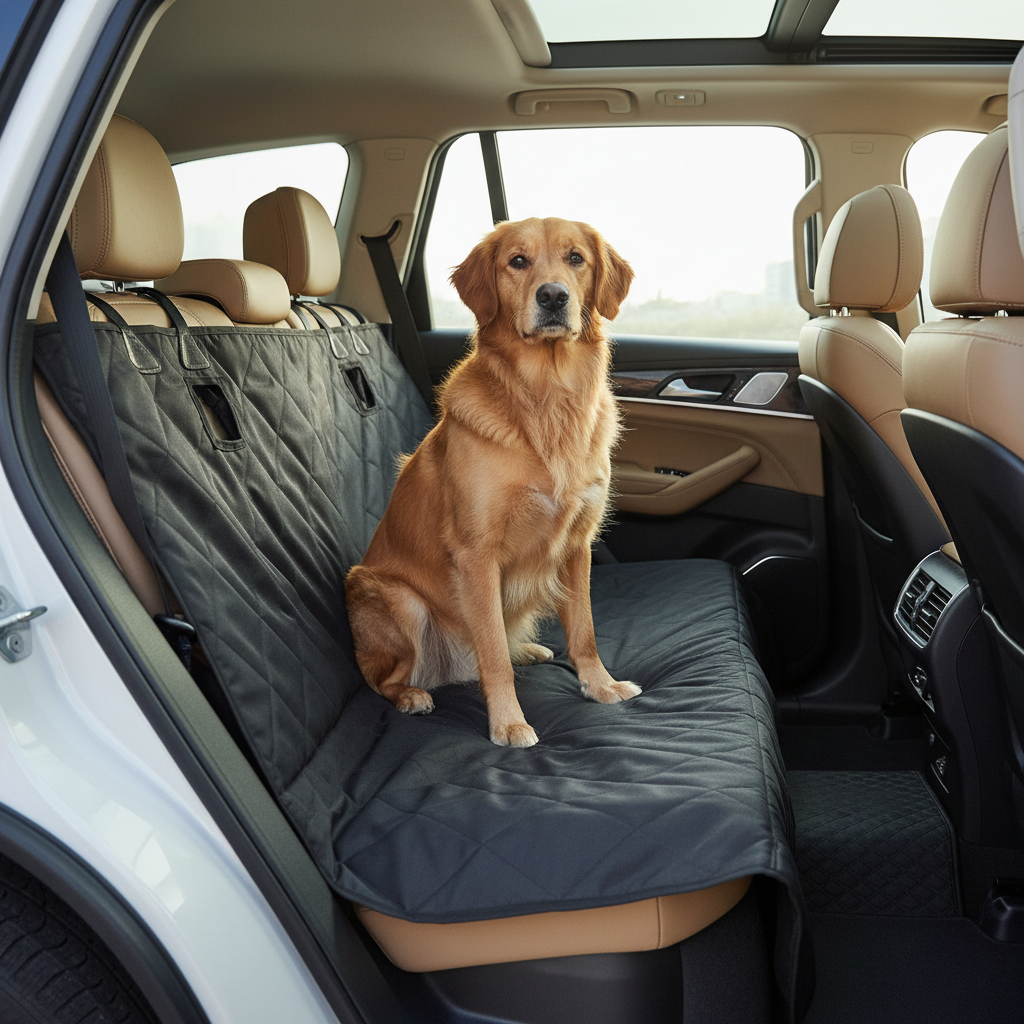
This guide focuses on what tends to matter in real use: cover types, materials, anchoring, cleaning, and a short list of 2026 picks by scenario. You’ll also get a quick checklist to figure out what you actually need before buying.
Quick picks for 2026 (by real-life scenario)
If you just want a fast decision, match your situation to a style. Brand options change often, so these are “what to buy” profiles you can use when comparing listings.
| Scenario | What to look for | Why it works |
|---|---|---|
| Most back-seat rides | Hammock cover, non-slip backing, seat-belt access | Reduces slipping and blocks the footwell from jumps and falls |
| Large dog or heavy shedder | Thicker fabric, reinforced seams, full-width coverage | Handles nails and friction, keeps hair from reaching seat creases |
| Two dogs or a dog + kid | Split bench compatible, zip or fold-down section | Lets you keep a seat usable without removing the whole cover |
| SUV cargo area | Cargo liner with bumper flap, side-wall coverage | Protects plastics and paint from claws on entry/exit |
| Frequent wet/muddy outings | True waterproof layers, edge binding, easy hose-off cleaning | Less seep-through into upholstery, fewer lingering smells |
Key point: the best option is usually the one that stays put. A cover that slides becomes annoying fast, and dogs notice the movement.
Why car seat covers fail (and what “good” actually means)
A lot of frustration comes from mismatched expectations. “Waterproof” often means water-resistant for small spills, not a full soak from a dripping coat for 30 minutes.
- Slipping and bunching: weak anchors, no seat crease inserts, slick backing.
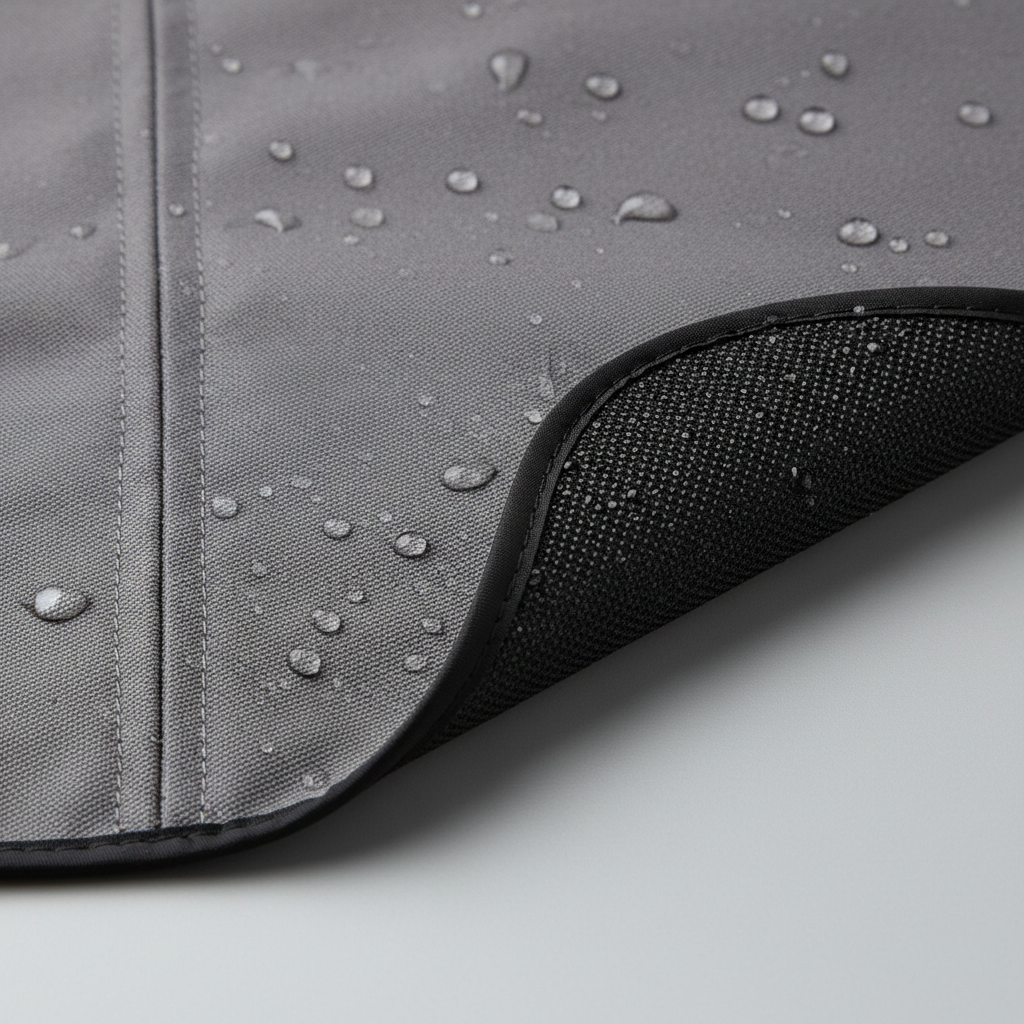
- Leak-through: stitched seams without sealing, thin coating, or absorbent top layers that hold moisture.
- Torn corners: high-stress spots where dogs pivot, especially on hammock corners and door-side edges.
- Seat-belt conflicts: poorly placed openings that twist belts or block buckles.
- Odor buildup: fabric that traps oils and dries slowly, especially in humid climates.
In practice, “good” usually means durable stitching, thoughtful strap placement, and a surface that releases hair with a vacuum instead of holding it like Velcro.
Types of covers: hammock vs bench vs cargo liner
Choosing a type first makes shopping easier, and it prevents the classic mistake of buying a bench cover when your dog really needs a hammock for stability.
Hammock covers
These attach to front and back headrests, creating a sling that blocks the footwell. They’re popular for a reason: many dogs feel more secure, and the cover stays cleaner because dirt doesn’t fall into the seat gap.
- Best for: active dogs, frequent rides, dogs that try to climb up front
- Watch for: compatible seat-belt access, side flaps, strong headrest straps
Bench covers
Bench styles protect the seat surface but leave the footwell open. They’re often better if you regularly carry adult passengers in back and don’t want the hammock wall.
- Best for: shared seats, calmer dogs, shorter trips
- Watch for: “split” compatibility if you use 60/40 folding seats
Cargo liners (SUV/trunk)
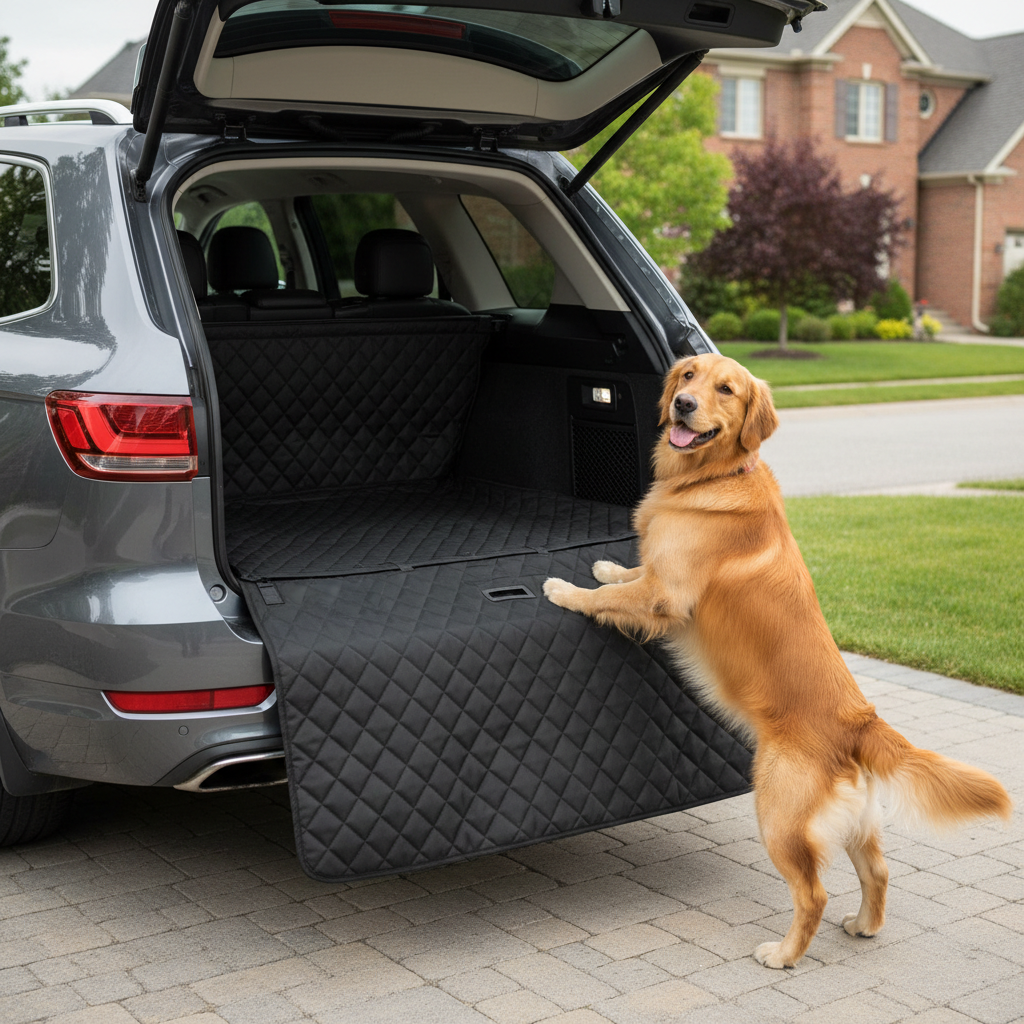
Cargo liners cover the flat area behind the second row. If your dog rides in the trunk area, this is usually the cleanest setup, especially with a bumper flap to protect paint.
- Best for: SUVs, hatchbacks, crates, messy outdoor gear
- Watch for: side-wall protection, access to tie-down points
What to check before you buy (a fast checklist)
Before you compare “the best car seat covers for dogs” on Amazon or Chewy, check these details. This is where most returns come from.
- Your seat layout: 60/40 split, center armrest, fixed headrests, third row access.
- Where your dog rides: back seat, cargo area, or both.
- Seat-belt needs: do you use a harness tether or latch to a buckle?
- Dog size and behavior: diggers need tougher fabric, anxious dogs do better with stable hammocks.
- Cleaning reality: machine wash matters, but quick wipe-down matters more week to week.
- Climate: hot regions benefit from breathable top layers to reduce that “plastic” feel.
If you’re unsure: measure seat width between doors and the backrest height up to headrests, then compare to the listing’s actual dimensions, not just “SUV/Truck.”
Material and build features that matter in 2026
Most covers use polyester or Oxford fabric with a water barrier. The differences show up in the backing, seams, and hardware, not the marketing name.
- Non-slip backing: silicone or rubberized dots help, but seat-crease anchors do more heavy lifting.
- Seam protection: bound edges and reinforced corners reduce tearing where paws push off.
- Waterproof layer: a middle membrane tends to outperform simple surface coating, though it can feel less breathable.
- Straps and buckles: wide straps and sturdy clips usually last longer than thin webbing.
- Seat-belt openings: look for covered zippers or Velcro flaps to limit leak paths.
Also worth checking: colorfastness. Dark covers sometimes transfer dye when soaked early on, so a first wash can be a smart move even if it arrives “ready to use.”
Practical setup: how to stop slipping, leaks, and hair buildup
Even the best design underperforms with a rushed install. These steps are boring, but they’re what separates “works okay” from “set it and forget it.”
Install steps that usually help
- Push the seat anchors deep into the crease, not just barely tucked.
- Tighten headrest straps, then re-tighten after the first ride when the fabric settles.
- If your dog wears a harness tether, route it cleanly through the intended opening so it doesn’t pull seams sideways.
- For hammock styles, make sure the front panel stays taut; slack fabric invites paws to hook and tug.
Cleaning routine that keeps odors down
- Shake outside, vacuum weekly, then wipe with mild soap and water as needed.
- Air-dry fully; trapped moisture is where smells get stubborn.
- If your dog gets carsick, a removable top blanket on top of the cover can make “emergency cleanup” less painful.
Safety note: A cover is not a restraint. According to the American Veterinary Medical Association (AVMA), pets should be properly restrained in vehicles to reduce driver distraction and lower injury risk, so pairing a cover with an appropriate harness, tether, or secured crate often makes sense, and if you’re unsure what’s safe for your dog’s size or health, ask your veterinarian.
Common mistakes (and what to do instead)
These show up again and again in reviews, and they’re avoidable.
- Buying for looks first: quilted patterns can be nice, but stability and belt access usually matter more.
- Ignoring door-side coverage: if your dog steps on the door sill, add a cover with side flaps or separate door guards.
- Assuming “universal” equals “fits your car”: fixed headrests and bucket-style rear seats can be tricky.
- Over-trusting “100% waterproof” claims: plan for seams to be the weak point in many designs.
- Letting hair build for months: once hair gets into seat seams and carpet edges, it takes longer to remove than doing quick maintenance.
If you keep running into leaks, the simplest workaround is adding an absorbent, washable layer on top and washing it more often, instead of expecting a single cover to handle every kind of mess.
Conclusion: choosing the right cover without overthinking it
The best car seat covers for dogs in 2026 are rarely the fanciest, they’re the ones that match how your dog rides and how you clean. Pick the right style (hammock, bench, cargo), prioritize non-slip stability and usable seat-belt access, then invest a few minutes in a proper install.
If you want a simple next step, do this today: measure your seating area, decide where your dog rides most, then filter products by those dimensions and the cover type, not by star ratings alone.