
best car travel trash can compact foldable sounds oddly specific, but it usually maps to a real problem: you want a trash solution that fits tight spaces, doesn’t tip over, and disappears when you don’t need it.
Most “car trash cans” fail in one of two ways, they’re too bulky for everyday driving, or they’re too flimsy for real road-trip waste like snack wrappers, napkins, and receipts. The good news is you can narrow down the right option fast if you focus on a few practical details.
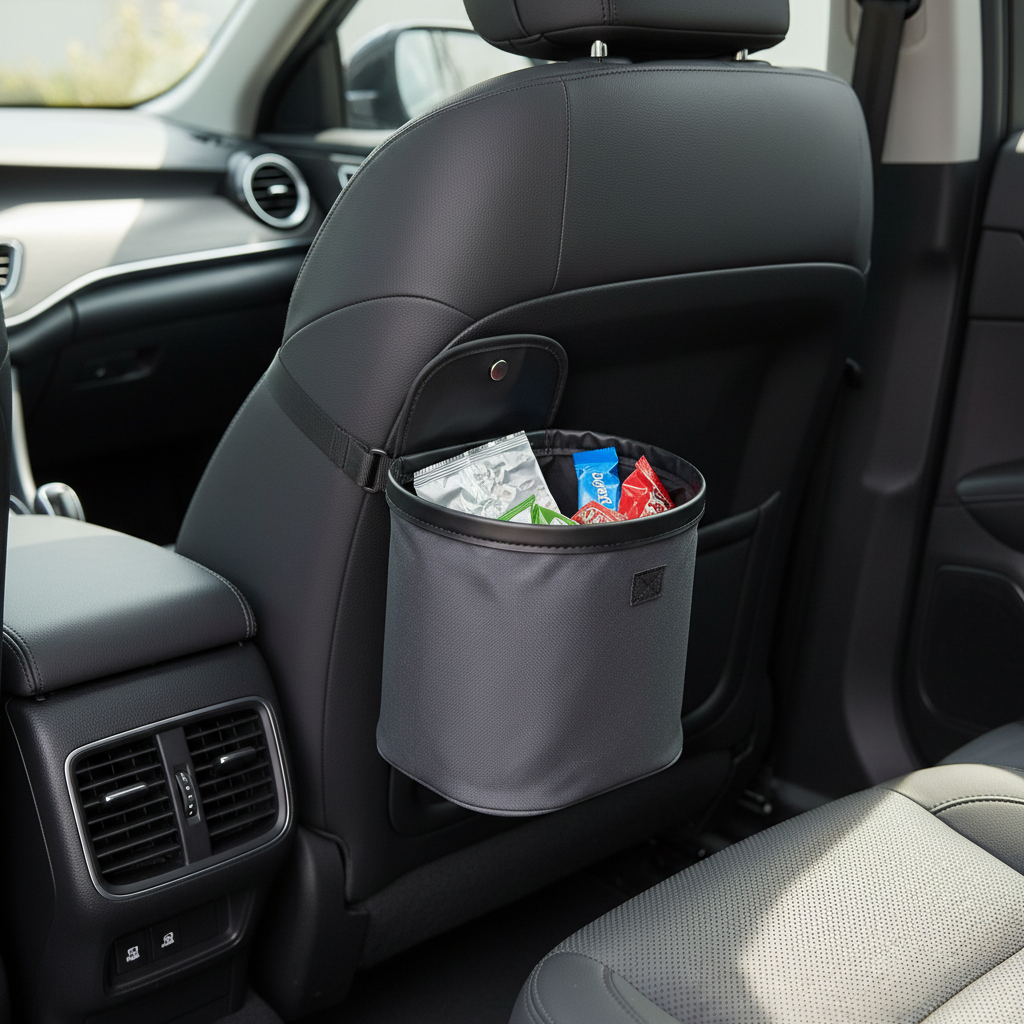
This guide helps you pick a compact, foldable bin that works for your vehicle and your habits, not an idealized setup. You’ll also get a quick checklist, a comparison table, and a few “don’t bother” warnings that save money.
What “compact & foldable” should mean in a car (not in product photos)
In real use, compact means it doesn’t steal knee room, cupholders, or a door pocket you actually rely on. Foldable means it can collapse flat without becoming useless the moment it’s not fully expanded.
Here’s the practical translation most drivers care about:
- Small footprint: fits between seats, behind a seatback, or on a center console side.
- Controlled opening: a rim or spring top that stays open so you can toss trash one-handed.
- Leak resistance: at least a lined interior, ideally with a removable waterproof liner for spills.
- Stable attachment: strap, clip, hook-and-loop, or weighted base that doesn’t slide on turns.
Why car trash gets out of hand (and why a “bin” alone sometimes doesn’t fix it)
Trash piles up in cars for boring reasons: you eat while driving, you don’t want to reach down for a bag, and “temporary” receipts become permanent. A compact solution works only if it matches the friction points.
Common patterns that change what you should buy:
- Kid snacks: lots of small wrappers, sticky residue risk, you’ll want a liner you can wash.
- Commuter coffee: drips, stir sticks, napkins, a lid that reduces odors helps.
- Road trips: volume matters, but so does fast emptying at gas stations.
- Rideshare: looks matter, plus easy wipe-down and discreet placement.
According to NHTSA, keeping your driving environment free of distractions supports safer driving behavior. A dedicated trash spot can reduce the “where do I put this?” moment, though it’s still wise to toss items only when stopped if you feel rushed.
Quick self-check: which type of compact foldable trash can fits you?
If you answer these in 30 seconds, you’ll avoid the wrong form factor.
- I can mount something behind the seat (yes/no). If yes, a hanging foldable bin often feels the most “out of the way.”
- I need one-handed toss (yes/no). If yes, prioritize a stiff rim or spring frame.
- I deal with liquid risk (coffee, melted ice, kid cups)
- I’ll actually empty it weekly (be honest). If no, choose a smaller bin that forces frequent empties.
- My passengers sit in back (often/rare). If often, consider rear access more than driver access.
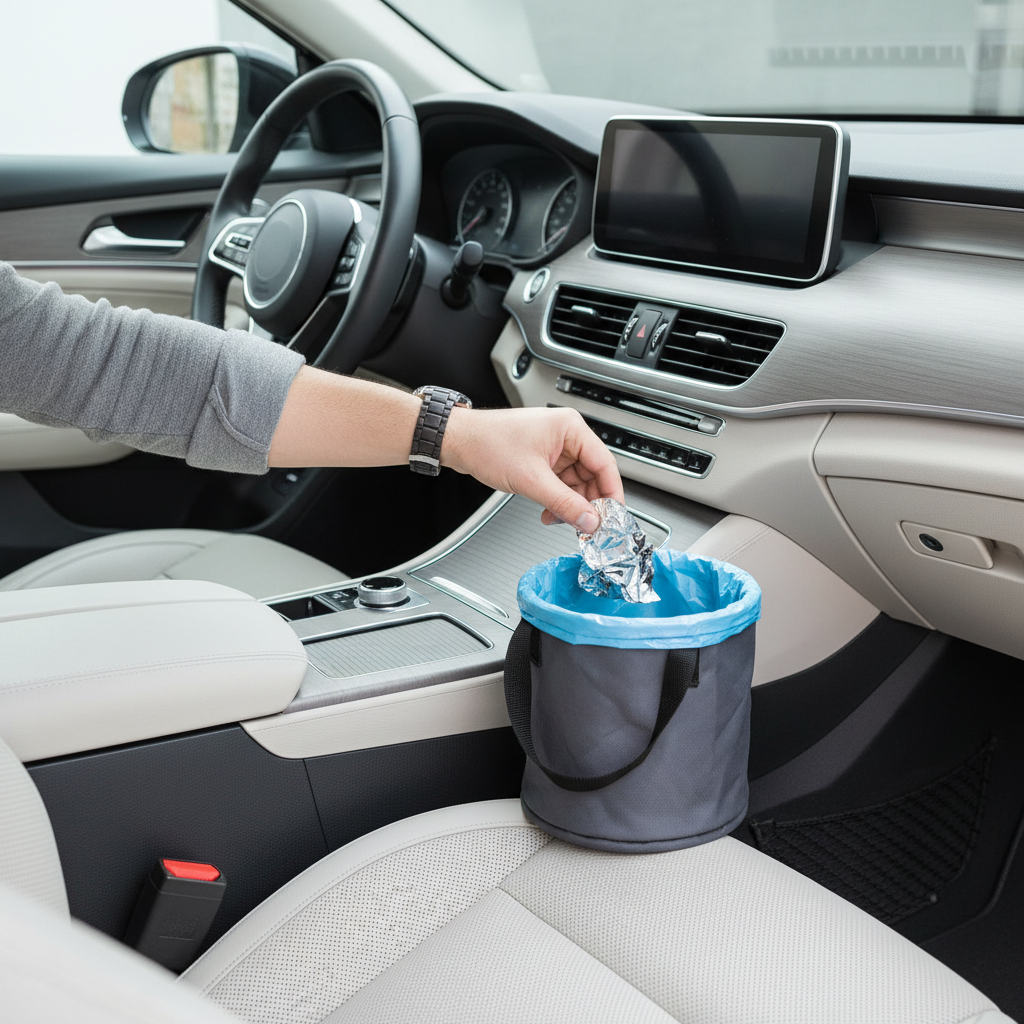
If you’re torn between two styles, pick based on your “mess type.” Dry trash can use lighter fabric bins; wet or sticky trash pushes you toward liners and tighter seams.
Comparison table: what to look for in the best options
There’s no single winner for every car, but the best car travel trash can compact foldable usually performs well in the same feature categories. Use this table to compare listings quickly.
| Feature | Why it matters | Good sign in listings | Red flag |
|---|---|---|---|
| Fold/collapse method | Determines if you’ll store it | “Collapses flat” + photos folded | No folded dimensions shown |
| Opening structure | One-hand use while seated | Spring frame, rigid rim | Floppy top that caves in |
| Liner | Leaks, odor, cleaning | Removable waterproof liner | “Waterproof” with no liner or seams described |
| Mounting | Prevents tipping/sliding | Adjustable straps, clip, or hook | Only a thin loop, no tension adjust |
| Capacity | How often you empty | Realistic size photos in a car | Overstated volume claims |
| Cleaning | Long-term usability | Wipe-clean fabric, washable liner | Textile that absorbs spills |
How to choose: 6 buying criteria that actually change daily use
Most people overthink materials and underthink placement. Start with where it will live, then choose construction.
1) Placement: behind-seat, console-side, door pocket, or floor
- Behind-seat hanging: great for families and back-seat riders, less visible, usually stable.
- Console-side: easy for driver, but can interfere with knees or shifter access in smaller cars.
- Door pocket style: convenient, but can swing, and may crowd bottles or umbrellas.
- Floor bin: simplest, but more likely to tip unless weighted or strapped.
2) Lid vs open top
Lids help with odor and visual clutter, but the lid must be easy. If you need two hands, you’ll stop using it. A soft flap or spring top often hits the sweet spot.
3) Leak strategy
If you ever toss half-full cups, fruit peels, or anything damp, treat a liner as non-negotiable. “Water-resistant fabric” can still seep at seams over time.
4) Noise control
Hard plastic bins can rattle. Fabric bins stay quiet, which sounds minor until you do a 6-hour drive and hear every bump.
5) Bag compatibility
A lot of compact bins work best with small bags. If the opening is too narrow, standard grocery bags bunch up and become annoying. Look for a rim that holds a bag edge cleanly.
6) Folding durability
Foldable designs rely on stitching and frames. If you plan to fold/unfold often, prioritize reinforced seams, thicker fabric, and a frame that doesn’t warp easily.
Setup that makes it work (even if you buy the perfect bin)
You can make a decent product feel great with a few small habits, and this is where most “it didn’t work” stories come from.
- Install it where trash is created: for families, that’s usually within reach of the back seat, not the driver.
- Pre-load a bag: keep 5–10 spare small bags in the bin pocket or glove box.
- Create a two-bin rule: one tiny bin up front for receipts, one larger foldable bin for food trash.
- Empty on a trigger: gas fill-up, weekly car wash, or Sunday night, pick one and stick with it.
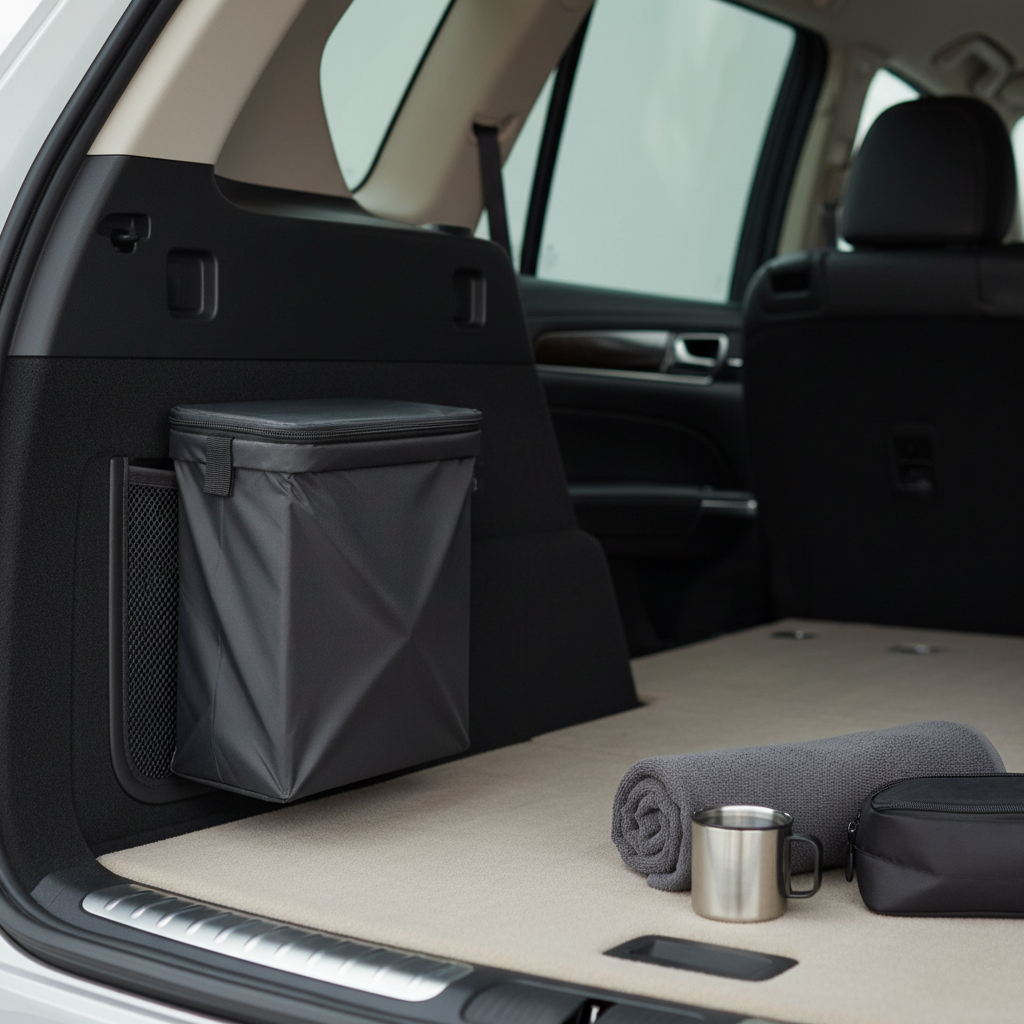
If odor is your pain point, a small charcoal deodorizer pouch near the bin can help in many cases, but if you notice persistent smells, it may be worth checking for spills under mats or in seat creases.
Common mistakes (and what to do instead)
- Buying too large “for road trips”: a big bin often becomes a bulky obstacle, pick compact and empty more often.
- Relying on a grocery bag loop: it swings, collapses, and spills, a structured opening fixes most of that.
- Ignoring where it tips: if your car has sloped floors, you’ll want straps or a non-slip base.
- Using no liner for wet trash: even one spilled drink can make the bin a cleaning project.
- Placing it near airbags: avoid mounting anything that could interfere with side curtain or seat-mounted airbags.
If you’re unsure about airbag zones in your specific model, your owner’s manual usually calls them out clearly, and a dealership service desk can often confirm safe mounting spots.
Conclusion: picking the right compact foldable car trash can
The best car travel trash can compact foldable is the one you’ll keep using after the novelty wears off, which usually means: stable mounting, easy one-hand access, and an interior that cleans without drama.
If you want a simple next step, do two things today: measure the spot you’ll mount it, then choose a design with a removable liner if your car ever sees drinks or kid snacks. That combination tends to prevent most of the “why did I buy this” regret.
FAQ
What size is “compact” for a car travel trash can?
Compact usually means it fits without stealing legroom, many people do well with a small bin for the front and a medium foldable bin for the back. If you can’t picture the placement from listing photos, that’s a sign it may be bigger than it sounds.
Is a foldable trash can less durable than a hard plastic one?
Not always. A good foldable design with a stiff rim and reinforced stitching can last a long time, but very thin fabric tends to sag and the frame can deform if you fold it aggressively every day.
Do I need a lid for odor control?
If you frequently toss food waste, a lid or flap helps in many cases, but odor control is also about emptying frequency and preventing leaks. A washable liner often matters more than a fancy lid.
Where should I mount a compact foldable bin in a small sedan?
Behind the front passenger seat is a common choice because it keeps the driver area clear, and back-seat passengers can reach it. Just make sure straps don’t interfere with seat movement or safety systems.
Can I use regular grocery bags as liners?
Sometimes, yes, especially for dry trash. If the rim can’t hold the bag edge securely, you’ll fight it every time, in that case small drawstring bags or purpose-fit liners feel less annoying.
What’s the easiest way to clean a car trash can after a spill?
Remove the liner if you have one, rinse and wipe it dry, then wipe the outer bin with a mild cleaner. If the spill involves anything that could irritate skin or create fumes, follow the cleaner label and consider extra ventilation.
Is it safe to toss trash while driving?
It depends on traffic and your comfort. If reaching for the bin takes your eyes off the road, it’s safer to wait until you’re stopped. Even a great bin can’t replace good attention management.
If you’re trying to keep your cabin clean without adding a bulky accessory, focus on a compact, foldable bin that matches your mounting spot and cleaning tolerance, and if you want a more hands-off routine, pair it with pre-stashed liners so emptying becomes a quick swap instead of a chore.