
The best car tire repair kit plug is the one that matches your tire type, your vehicle weight, and the kind of punctures you actually get on U.S. roads, not just whatever has the most pieces in the case.
If you’ve ever watched your tire pressure drop at a gas station or on the shoulder of an interstate, you already know the real problem isn’t “can I plug it,” it’s “can I plug it safely, quickly, and get back on the road without making things worse.” A decent plug kit can be a lifesaver when the hole is in the tread and you’re far from a shop.
That said, plug kits have limits, and the limits matter. Sidewall damage, big gashes, or a tire that’s been driven on while flat can turn a “simple” repair into a replacement situation. This guide helps you choose a kit for 2026, spot what’s marketing fluff, and use a plug kit the way tire pros expect you to.

What a tire plug kit can (and can’t) do
A plug kit is designed for small punctures in the tread area, typically from nails or screws. You ream the hole, insert a sticky rope plug, trim it, then reinflate and verify the leak stops. Done right, it can get you rolling again without a tow.
Where people get burned is assuming every leak is “plug-able.” According to NHTSA, tires are critical safety components, and damage beyond minor tread punctures can compromise structural integrity. In plain English, if the tire carcass is hurt, a plug won’t “undo” that.
- Usually OK: nail/screw puncture in the tread, hole is small, tire still holds some air
- Usually not OK: sidewall/shoulder puncture, long cut, puncture near the edge of the tread blocks
- Stop and reassess: you drove any distance on a fully flat tire, you see cords, bulges, or separation
Quick buying criteria for the best plug kits in 2026
Most kits look similar online. The differences that matter show up when you’re kneeling on hot asphalt, hands dirty, light fading, trying to seat a plug without bending the tool.
Tools that don’t fight you
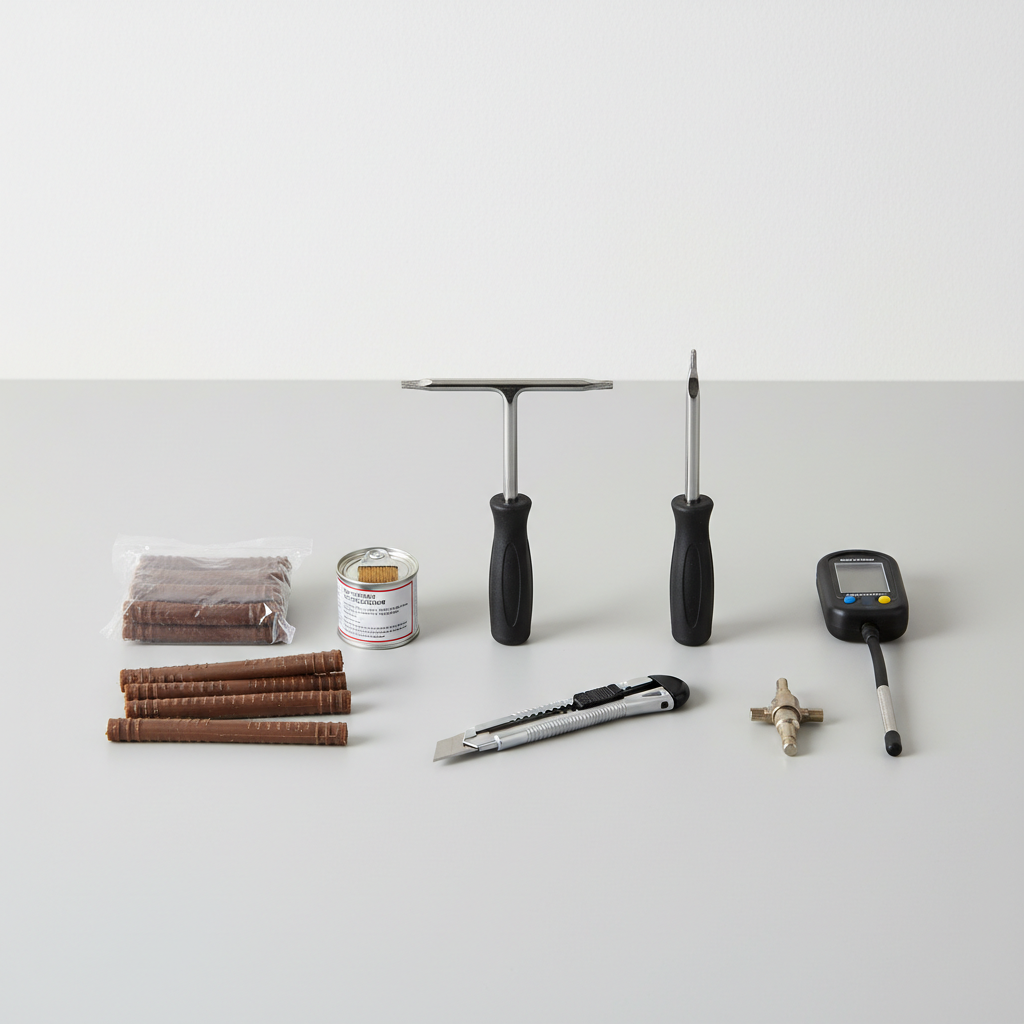
- T-handle reamer and insertion tool: thicker shafts and solid handles hurt less and twist better
- Spiral reamer: makes a cleaner channel in steel-belted tires than flimsy, coarse cutters
- Quality plugs: tacky rope plugs that stay flexible, not dry, crumbly strips
Air matters as much as the plug
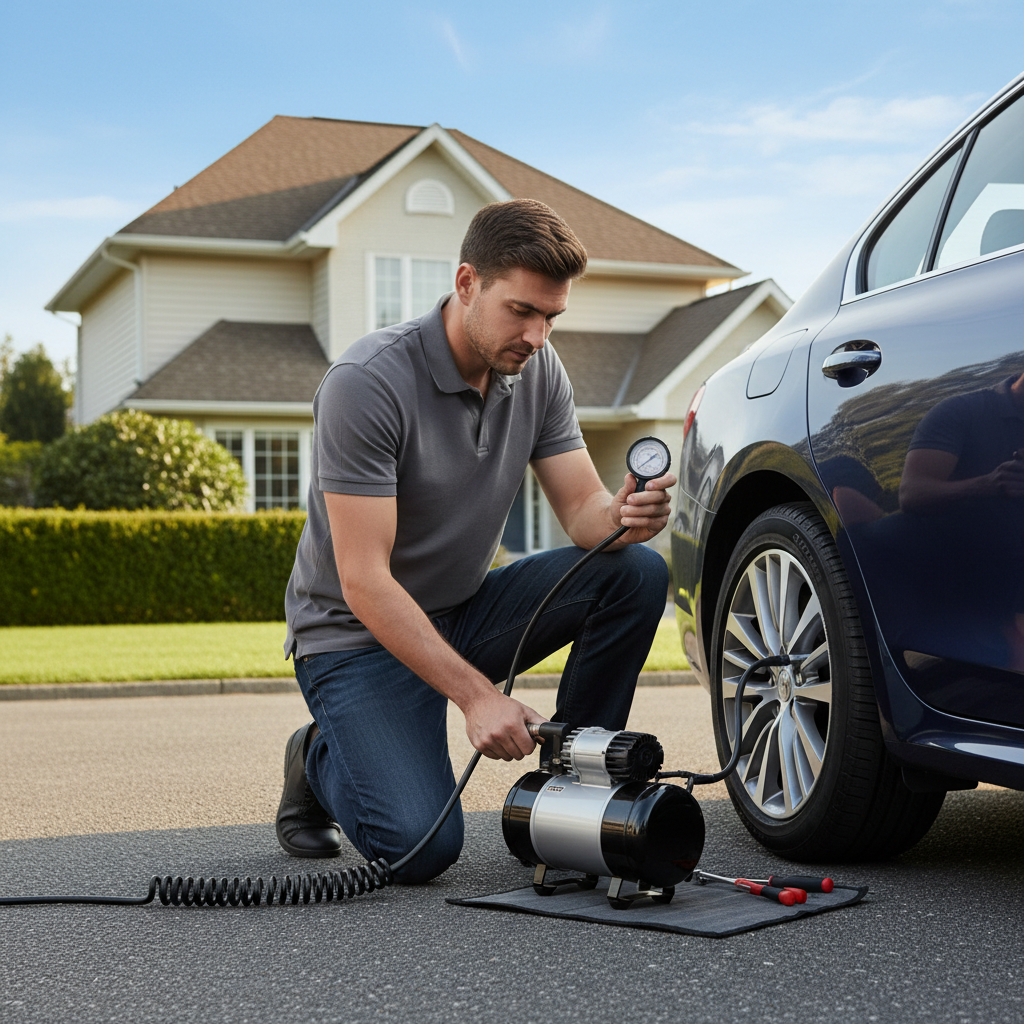
A plug kit without a way to reinflate is half a plan. Many drivers pair plugs with a compact compressor, or at minimum a CO2 inflator plus a gauge. If your tire is already low, you need stable pressure to confirm the seal.
Vehicle fit: small sedan vs truck/SUV
Heavier vehicles and LT tires often have stiffer tread packages, which can make cheap tools bend or make insertion frustrating. If you drive a pickup, SUV, or load the vehicle often, lean toward robust tools and extra plugs.
Top tire repair plug kit picks (2026) + who each is for
I’m not going to pretend there’s a single “winner” for everyone. The best car tire repair kit plug setup depends on how often you travel, how comfortable you are with DIY, and whether you also carry an inflator.
Key takeaway: prioritize durable tools and good plugs over a giant accessory list.
| Kit type | Best for | Why it works | Watch-outs |
|---|---|---|---|
| Heavy-duty T-handle rope plug kit | Trucks/SUVs, road trips, frequent driving | Sturdier tools, better leverage, more consistent insertion | Usually larger case, costs a bit more |
| Compact glovebox plug kit | City driving, “just in case” | Small, light, quick access | Cheaper handles can flex, fewer plugs included |
| Plug kit + 12V inflator bundle | Drivers who don’t already carry air | Lets you plug and set pressure immediately | Inflator quality varies, verify duty cycle and hose length |
| Motorcycle/ATV plug kit | Powersports, compact storage | Smaller tools for tighter spaces | Not always ideal for stiff truck tires |
Self-check: are you a good candidate for a plug repair?
Before you open the kit, do a quick reality check. This saves time and helps you avoid the classic mistake of trying to “force” a repair that should be a tow or spare-tire moment.
- Location: puncture is in the tread, not the sidewall or shoulder
- Size: looks like a nail/screw hole, not a tear or jagged cut
- Tire condition: no bulge, no exposed cords, no shredded inner liner visible
- Air loss: you can keep some air in the tire long enough to confirm the seal
- Safety: you can work off the roadway, on stable ground, with hazards on
If two or more items feel questionable, it’s usually smarter to mount the spare or call roadside assistance, then have a shop inspect the tire from the inside.
How to use a tire plug kit (step-by-step, the way it actually goes)
This is the practical sequence that tends to work, even when the hole fights back. Read your kit instructions too, because plug materials vary.
1) Find the leak and prep the tire
- Remove the nail/screw with pliers if visible
- Mark the puncture so you don’t lose it
- If you can, rotate the tire so the hole sits at a comfortable working angle
2) Ream the hole (yes, it feels wrong)
Reaming roughens and standardizes the channel so the plug bonds and fills properly. Push and twist steadily. Many people under-ream, then struggle inserting the plug and bend tools.
3) Load and insert the rope plug
- Thread one plug through the insertion tool so it’s centered
- If your kit includes cement, apply as directed (some plugs don’t require it)
- Push in until about 1/2 inch of plug remains outside, then pull the tool straight out
4) Trim, inflate, and verify
- Trim excess plug close to the tread surface
- Inflate to the door-jamb spec, not the tire sidewall max
- Check for bubbles with soapy water, or listen carefully for hissing
According to Rubber Manufacturers Association (RMA) guidance commonly referenced across the industry, a proper permanent repair for many passenger tires involves internal inspection and a patch/plug combination from inside the tire. A roadside plug can be a practical emergency step, but it’s not always the final word.
Mistakes that make plug repairs fail early
Most “my plug didn’t hold” stories come down to a few repeat problems.
- Plugging the shoulder or sidewall: flex is higher there, the repair tends to work loose
- Not reaming enough: insertion becomes a wrestling match and the plug tears
- Using old, dried plugs: they don’t seal well and can leak slowly
- Skipping pressure verification: you drive off with a slow leak and blame the kit later
- Driving aggressively right away: hard heat cycles can stress a fresh repair
What to keep in your car with a plug kit (simple, not overkill)
Plug kits work best as part of a small “puncture plan.” You don’t need a garage in the trunk, but a few extras make the difference between a 10-minute fix and a long night.
- Digital or dial tire gauge you trust
- 12V inflator with a hose long enough to reach all tires
- Pliers for pulling nails/screws
- Utility knife (often included) for trimming plugs
- Gloves and a small flashlight
Quick note: if your vehicle uses run-flat tires or you rely on TPMS alerts heavily, consider reading your owner’s manual. Some setups have specific recommendations about driving after a puncture, and your safest next step may differ.
Conclusion: choosing the right kit and the right next step
If your goal is fewer roadside headaches in 2026, pick a kit with sturdy T-handles, fresh rope plugs, and a clear plan to reinflate and check the seal. That combo usually beats flashy cases packed with accessories you won’t touch.
After any plug repair, treat it as a prompt to get the tire inspected internally when convenient, especially if you drive fast highways, carry family, or tow. If you want one actionable move today, put a plug kit and a reliable inflator in the same bag so you’re not improvising in the moment.
Key points to remember
- Best use case: small tread punctures from nails/screws
- Don’t plug: sidewall/shoulder damage or a tire driven flat
- Plan matters: plugs + air + pressure check is the real “kit”
- Next step: shop inspection can confirm whether a permanent internal repair is appropriate
FAQ
What is the best car tire repair kit plug for highway driving?
For frequent highway miles, a heavy-duty T-handle rope plug kit paired with a dependable 12V inflator is usually the most practical setup, since you can seal and immediately verify pressure without hunting for air.
Is a rope plug a permanent tire repair?
In many cases it’s considered a temporary or interim fix. Many tire shops prefer internal inspection and an inside patch/plug repair for a more durable solution, depending on puncture location and tire condition.
Can I plug a tire puncture near the sidewall?
That’s where caution is warranted. Punctures near the shoulder and sidewall flex a lot and can be unsafe to repair with a plug, so it’s typically better to use a spare and have a professional assess it.
Do I need rubber cement with a plug kit?
Some kits include cement and some plugs are designed to seal without it. If your kit includes cement, follow the manufacturer directions, because using it incorrectly can be messier without improving the seal.
How big of a hole can a tire plug kit fix?
Plug kits are aimed at small punctures like nails or screws. If the hole looks torn, widened, or irregular, a plug may not hold reliably and a shop inspection is the safer call.
Why does my tire still leak after plugging?
Common causes include the puncture being too large, the channel not being reamed enough, the plug tearing during insertion, or the actual leak coming from a different spot like the valve stem or bead.
Should I drive immediately after a plug repair?
You can often drive after confirming the leak stopped and setting the correct pressure, but it’s smart to take it easy at first and recheck pressure soon after. If you notice vibration or rapid pressure loss, stop and reassess.
Will a plug kit work on truck tires and LT tires?
Often yes, but tool strength matters more because the tread can be stiffer. A heavier-duty kit with solid handles tends to be less frustrating and more consistent on larger tires.
If you’re trying to choose the best car tire repair kit plug setup for your vehicle and want a simple checklist based on your tire size, driving pattern, and whether you already carry an inflator, it may be worth building a small “puncture kit” shopping list before you buy so you don’t end up with tools that bend when you need them.