
Best car wash soap for paint comes down to one thing most people miss: lubrication and rinse behavior, not “more foam.” If your wash leaves micro-scratches, haze, or that squeaky-dry feel, the soap is often part of the story, but your water and technique usually finish it.
Paint today is typically protected by clear coat, plus whatever you add on top: wax, sealant, ceramic coating, spray detailer. A good shampoo should clean road film without stripping protection too aggressively, and it should help your mitt glide so you don’t grind grit into the surface.
This guide focuses on what to look for in 2026, how to match soap to your paint and protection, and a simple routine that reduces swirls in real-world driveways, not just in ideal studio conditions.
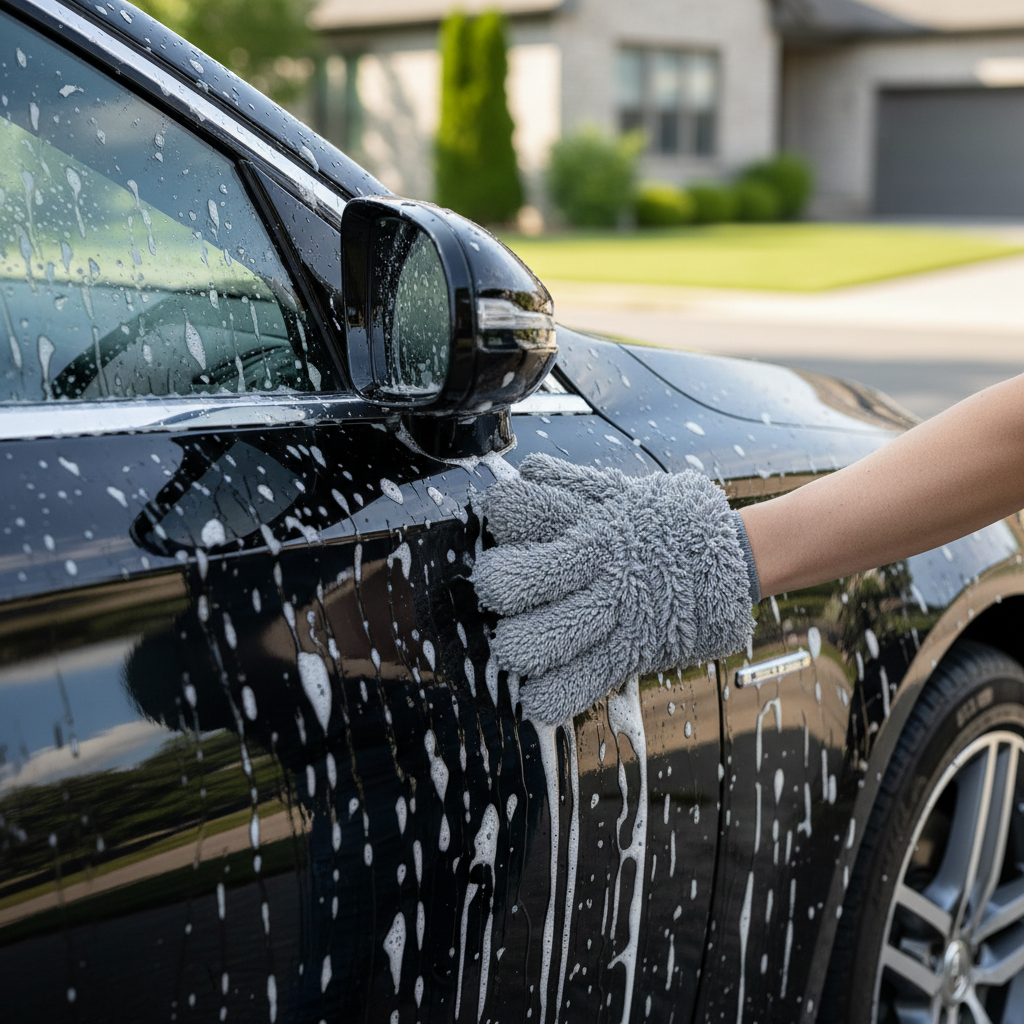
What “paint-safe” car wash soap actually means
“Paint-safe” is not a regulated label, so you’re really judging formulation intent. A paint-friendly shampoo usually prioritizes glide, controlled cleaning strength, and easy rinsing so you’re not scrubbing residue back onto the panel.
- High lubrication: helps the mitt slide, lowering friction that can create swirls.
- Balanced cleaning: strong enough for traffic film, mild enough to avoid needlessly stripping wax or sealant.
- Rinses clean: less chance of streaking, less re-wiping, fewer towel marks.
- Low residue: especially important on dark colors and coated vehicles.
According to the U.S. Environmental Protection Agency (EPA), many household cleaners contain ingredients that can be harmful to the environment and may not be appropriate for outdoor use, which is a good reminder to avoid dish soaps and random degreasers for routine washing unless you have a specific reason.
Common reasons your current soap makes paint look worse
When people say a soap “scratched” their car, it’s usually friction plus dirt, but some soaps make that combo more likely.
- Too much cleaning power for maintenance washes: heavy degreasing shampoos can leave paint feeling grabby, then your towel drags more.
- Hard-water sensitivity: some formulas spot or streak faster when your hose water is mineral-heavy.
- Over-concentrating: doubling the dose often leaves more surfactant residue, not more safety.
- Using one bucket: soap can’t save you if you re-load grit into the mitt every pass.
- Wrong wash media: a tired sponge or cheap mitt holds abrasive particles against paint.
If you’ve ever finished a wash and felt like you had to “buff off” the soap haze, that’s a clue your mix ratio, rinsing, or water quality needs attention as much as product choice.
Quick self-check: which soap type fits your car?
Pick based on what’s on your paint and what you’re fighting week to week. This is the part many guides skip, but it saves money and disappointment.
- Daily driver, no coating, basic wax: a pH-balanced maintenance shampoo is usually the safest default.
- Ceramic coated paint: look for “coating-safe” shampoos that rinse clean and don’t leave gloss fillers that can clog coating behavior.
- Heavy bugs, winter salt, oily film: you may want a stronger “traffic film remover” style wash occasionally, not every time.
- Hard water area: consider a shampoo marketed for spot resistance, and plan on faster drying or a drying aid.
- Black/dark paint, swirl-prone: prioritize lubrication and a plush mitt, even if the soap costs a bit more.
Comparison table: choose the best car wash soap for paint by scenario
Instead of naming one “winner” for everyone, use this table to match what you need. In practice, most households do well with one maintenance shampoo, plus one stronger option used sparingly.
| Scenario | What to look for | What to avoid | How often |
|---|---|---|---|
| Weekly maintenance wash | pH-balanced, high lubrication, easy rinse | Harsh degreasers, high-residue “super suds” | Most washes |
| Ceramic coated vehicle | Coating-safe, low residue, strong rinse behavior | Waxes/gloss fillers in shampoo if coating performance matters | Most washes |
| Bug season / road film buildup | Stronger cleaning, still paint-safe, good dwell | Dish soap as a routine habit | As needed |
| Hard water and spotting | Spot-resistant rinsing, compatible drying aid | Letting water air-dry, slow drying in sun | Every wash in hard-water areas |
| Prepping for wax/sealant | “Strip” or decon wash used intentionally | Overusing stripping soap and wondering why protection dies fast | Occasionally |
How to wash paint safely (soap matters, process matters more)
If you only change one thing, make it this: reduce contact with grit. The best shampoo in the world can’t out-lube sand.
Step-by-step routine that works for most driveways
- Rinse thoroughly: start at the bottom to wet grime, then rinse top-down to push dirt off panels.
- Pre-soak if you can: a foam pre-wash or a diluted shampoo pre-soak can soften film so your mitt does less work.
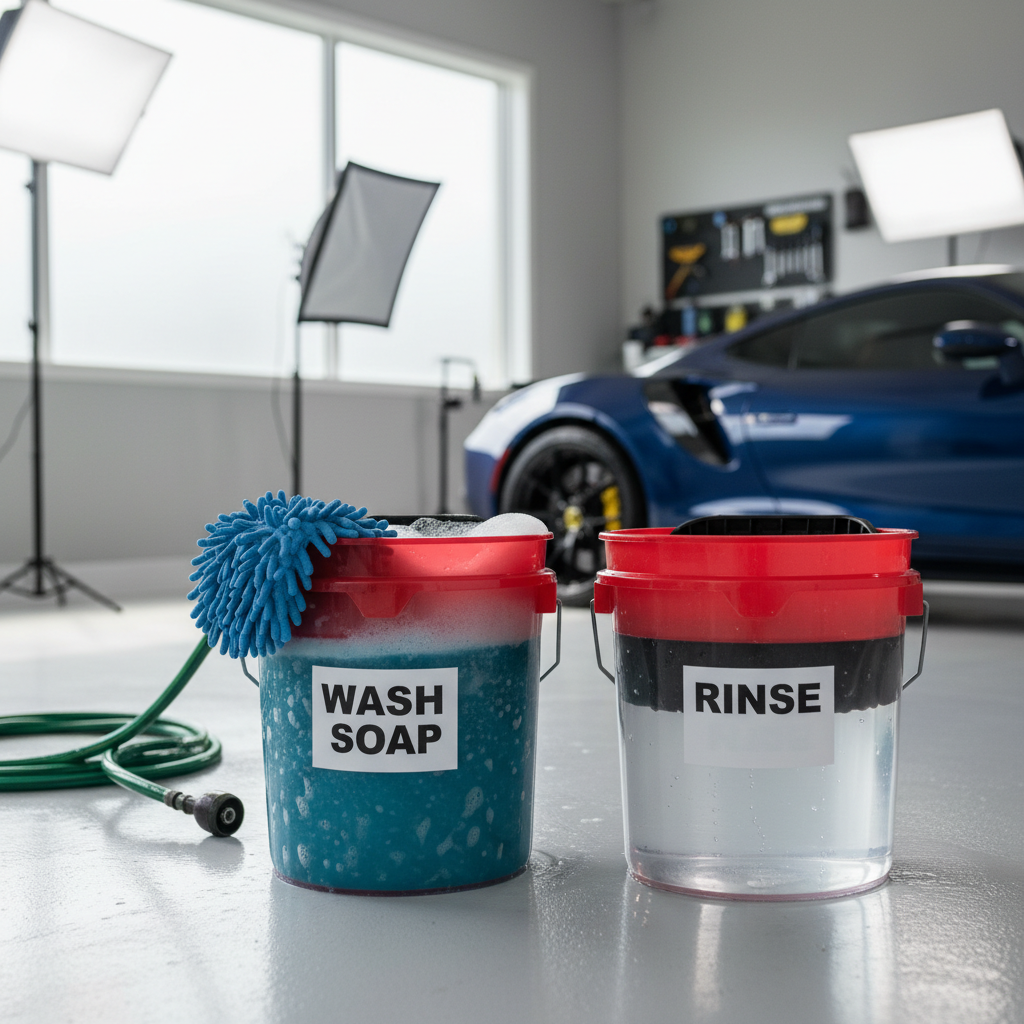
- Two buckets with grit guards: one for soap, one for rinsing the mitt, reload clean suds each section.
- Wash top-down: roof, glass, hood, upper doors, then lower panels last.
- Light pressure, straight lines: you’re guiding dirt off, not scrubbing it flat.
- Rinse frequently: don’t let shampoo dry on the panel, especially in sun or wind.
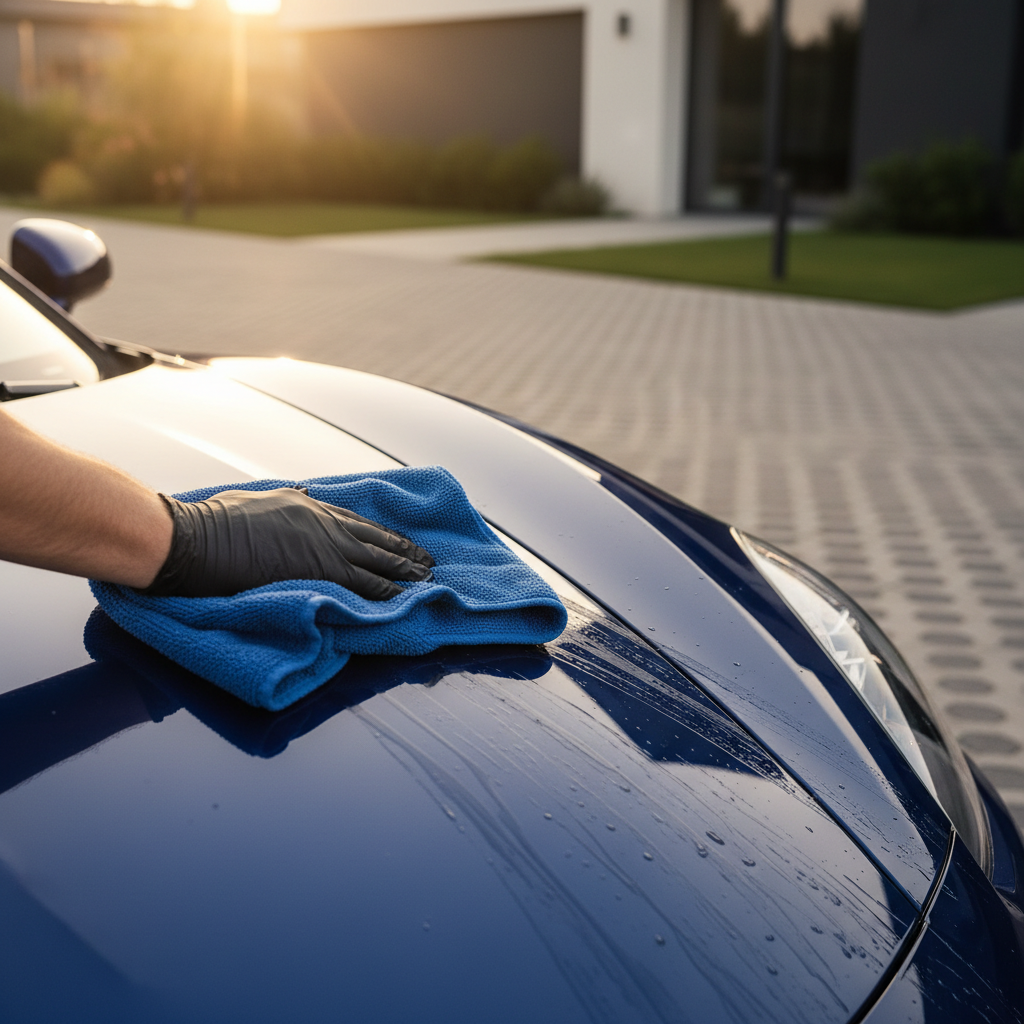
- Dry with a plush towel: blot or glide lightly, consider a drying aid if paint grabs.
Key point: use the shampoo at its labeled dilution ratio. If your soap feels “sticky,” back off concentration before buying a different bottle.
Mistakes that quietly ruin results (even with the right shampoo)
These are the “I swear I did everything right” issues that show up in inboxes and comment sections.
- Washing in direct sun: heat speeds evaporation, leaving minerals and surfactant residue behind.
- One towel for the whole car: once it’s damp and dirty, it starts dragging contamination.
- Reusing old microfiber without proper wash: fabric softener and clogged fibers reduce safety and absorbency.
- Skipping wheel separation: brake dust and metallic particles belong on wheel tools only.
- Chasing foam: foam can help dwell, but slickness and rinse clean are more important for paint finish.
When you need more than soap: decon, polish, or pro help
Sometimes the “dull paint” problem isn’t wash soap at all. It can be bonded contamination, oxidation, or existing swirl marks that only show once the car is clean.
- If paint feels rough after washing: consider chemical decon (iron remover) and/or clay with plenty of lubricant. If you’re unsure, test a small area first because clay can mar paint.
- If you see spiderweb swirls under sunlight: that’s usually micro-marring, polishing may be needed to truly fix it.
- If the car is coated and beading died: it might be clogged, a coating-safe decon wash or topper may help more than switching shampoos.
- If you have matte/satin paint or PPF: product choice can be different, many gloss-enhancing soaps are a bad fit, ask the installer or a detailing pro when in doubt.
According to the International Detailing Association (IDA), professional detailing methods emphasize proper wash technique, tool selection, and safe chemical use; if you’re dealing with expensive paint, fresh respray, or uncertain surface condition, a reputable detailer can help you avoid costly trial and error.
Conclusion: what to buy and what to do next
The best car wash soap for paint in 2026 is usually a lubricating, rinse-clean maintenance shampoo matched to your protection, paired with a two-bucket routine and sane drying habits. If your finish still looks tired after that, you’re likely looking at contamination or existing defects, not a “bad soap.”
If you want a simple next step, choose one quality maintenance shampoo, fix your dilution ratio, and upgrade your wash mitt and drying towel before you chase specialty products.
Quick takeaways
- Lubrication beats foam for reducing swirls in real washes.
- Hard water changes everything, plan for faster drying and cleaner rinsing.
- Use stronger soaps occasionally, not as your default maintenance wash.
- Technique is the multiplier, even premium shampoo can’t overcome gritty contact.
FAQ
- What is the best car wash soap for paint if I have a ceramic coating?
Look for a coating-safe shampoo that rinses clean and doesn’t rely on heavy gloss fillers, then keep your wash media very clean to preserve coating behavior. - Will car wash soap remove wax or sealant?
Many pH-balanced shampoos are designed to be gentle, but repeated washing plus strong detergents can shorten protection life, especially if you use a “strip” wash too often. - Is dish soap okay for washing my car paint?
For routine washing, it’s usually not ideal because it can be more degreasing than you need and may leave paint feeling grabby; if you’re intentionally stripping old wax, use a product made for that purpose. - Why does my car look streaky after washing?
Common culprits are hard-water minerals drying on the panel, too-strong soap mix, or slow drying in sun; try washing in shade, using proper dilution, and drying sooner with a clean towel. - Should I use a wash-and-wax soap?
It can be convenient, but the “wax” is often a light gloss enhancer, not a durable protectant; it may also interfere with how some coatings behave, so it’s better as a casual option than a core maintenance plan. - How much car wash shampoo should I use per bucket?
Follow the label ratio and adjust for water hardness, not guesswork; too much can rinse poorly and create more wiping, which is where marring sneaks in. - Do I need a foam cannon to wash safely?
No, it helps with pre-soak and fun factor, but a careful two-bucket wash with a good mitt and rinse habits can be plenty safe for most cars.
If you’re trying to pick between a few shampoos and you can tell your paint is picky, it may help to choose based on your protection type and water conditions, then build a small “wash system” around it, soap, mitt, towels, and drying aid working together tends to beat constant product hopping.