
How to fix car engine stalling when coming to stop usually comes down to air, fuel, idle control, or a sensor input that turns “wrong” right when RPM drops.
If your car dies at stop signs or when you coast to a red light, treat it as more than a nuisance, a stall can take away power steering and power brakes assist, which is stressful in traffic and sometimes unsafe.
The good news is many cases follow a pattern, it happens when the engine transitions from driving load to idle, so a short list of systems tends to be responsible. Below is a practical way to diagnose it without guessing, and to decide when it’s time to stop DIY and get a shop involved.
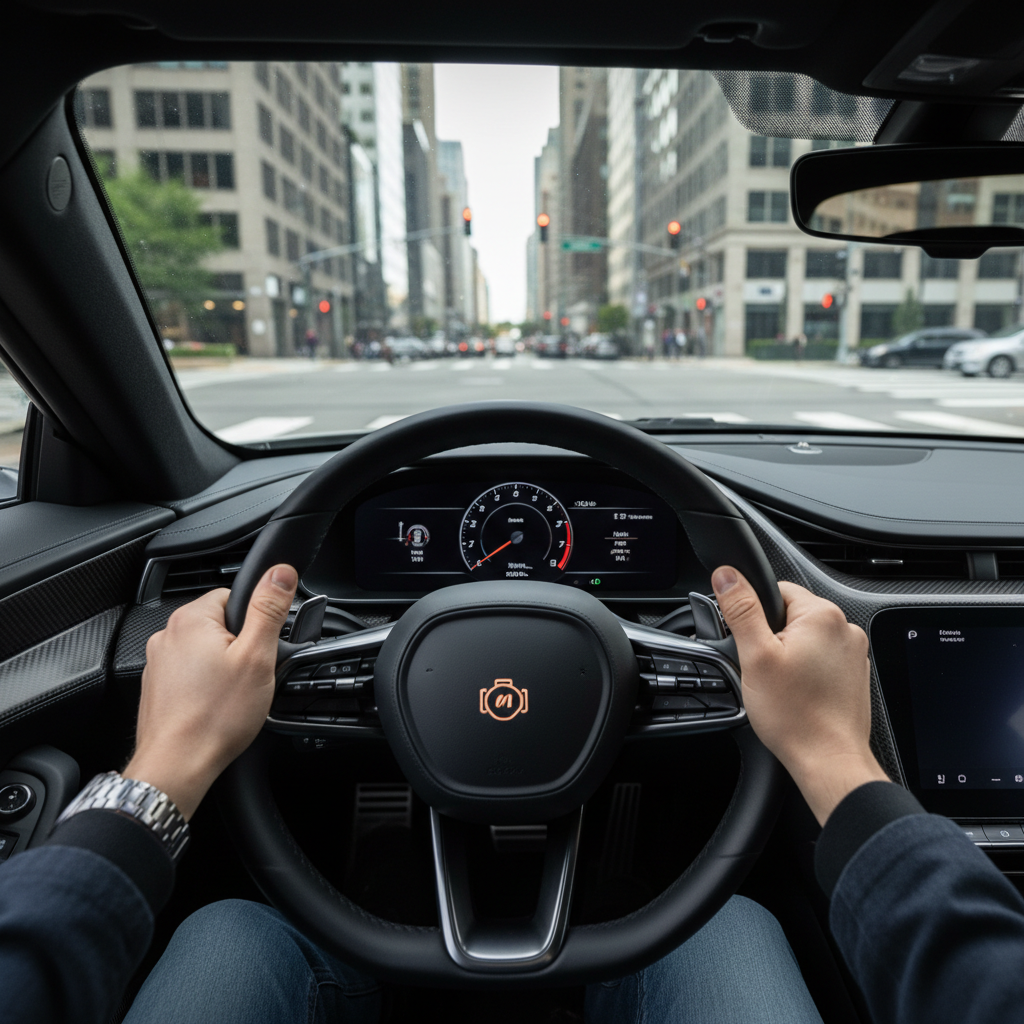
What stalling at stops usually means (and why it happens right then)
When you come to a stop, engine RPM drops and the car relies on the idle system to keep combustion stable. If airflow is restricted, fuel delivery is inconsistent, or the ECU receives a misleading signal, the idle can dip below what the engine needs and it shuts off.
Common real-world triggers include turning the A/C on, steering at low speed, braking hard, or shifting into Drive, those moments add load and expose a weak idle strategy.
- Airflow issue: dirty throttle body, sticking throttle plate, vacuum leak, clogged air filter.
- Idle control issue: idle air control valve (IAC) on older vehicles, or electronic throttle control adaptation on newer ones.
- Fuel issue: weak fuel pump, clogged fuel filter (if serviceable), dirty injectors.
- Ignition issue: worn spark plugs, failing coil, misfires that become obvious at idle.
- Sensor/ECU inputs: MAF/MAP sensor drift, coolant temp sensor reading wrong, crank/cam sensor glitches, low charging voltage.
According to NHTSA, if your vehicle stalls in traffic or creates a safety risk, you should address it promptly and check for open recalls related to stalling or engine management.
Quick self-check: identify your stalling pattern in 5 minutes
Before you replace anything, pin down the pattern. A consistent pattern often points to one system, random stalling often points to electrical/sensor issues.
- Only stalls when cold (first 5–10 minutes): coolant temp input, vacuum leak, dirty throttle body, weak battery/charging.
- Only stalls when A/C is on: idle compensation, dirty throttle body, weak alternator, belt tension issues.
- Only stalls when braking hard: vacuum booster leak, EVAP purge behavior, torque converter clutch not releasing (automatic).
- Stalls after refueling: EVAP purge valve stuck open, fuel cap/EVAP fault.
- Happens with rough idle and shaking: misfire (plugs/coils), vacuum leak, injector imbalance.
- No rough idle, just “drops and dies”: IAC/throttle adaptation, torque converter clutch, crank sensor, low voltage.
Also note what the tachometer does: if RPM hunts up and down, think air leak or throttle control, if it falls steadily and quits, think idle control, fuel pressure, or torque converter clutch drag.
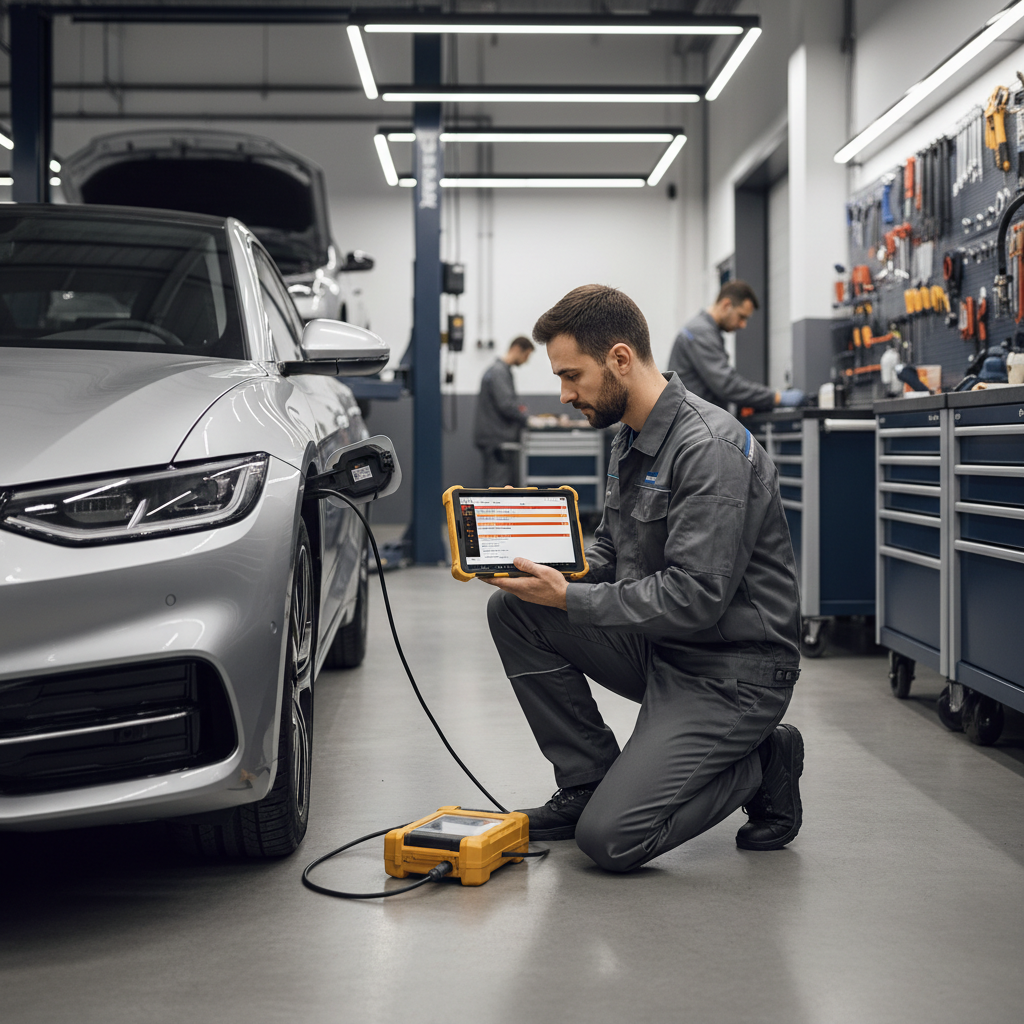
Start with the easiest wins (often fixes stalling without parts cannon)
If you want the highest “effort-to-result” steps, start here. This is also where many shops begin, even if they don’t say it out loud.
1) Check for trouble codes and freeze-frame data
Even if the check-engine light is off, many cars store pending codes. Pull codes with an OBD2 scanner, then look at freeze-frame around low speed/idle.
- Look for P0171/P0174 (lean), P0101 (MAF), P0300–P030x (misfire), P0505 (idle control), EVAP codes.
- If you see misfire codes, don’t skip to “clean the throttle body” as a first move, fix ignition basics first.
2) Inspect air intake basics
- Air filter not collapsed or soaked.
- Intake boot and clamps tight, no cracks after the MAF.
- Vacuum hoses seated, no obvious splits.
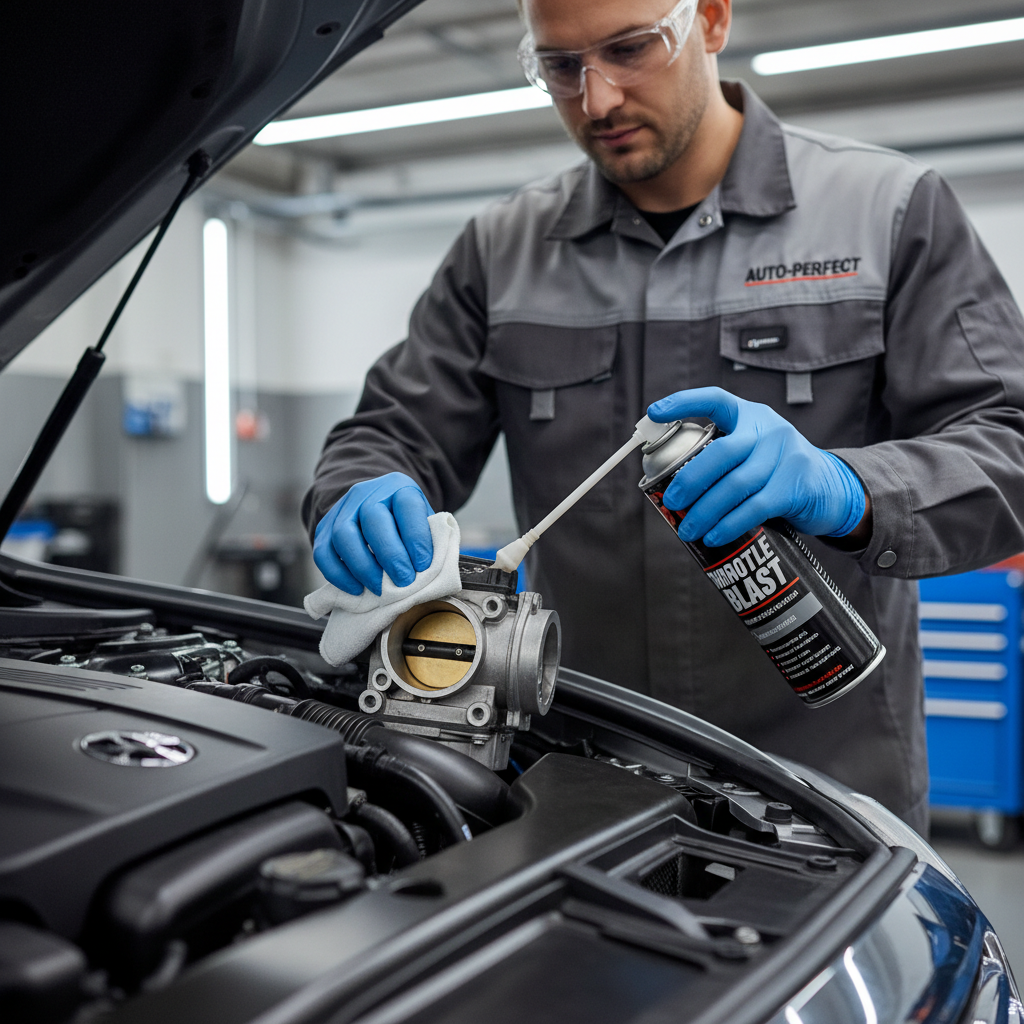
3) Clean the throttle body (common cause on many vehicles)
Carbon around the throttle plate can reduce airflow at idle, causing stalls when coming to a stop. Use a throttle body cleaner approved for your setup, and follow the correct procedure for electronic throttle bodies, forcing the plate open by hand can be a bad idea on some models.
- Disconnect intake tube, spray cleaner on a lint-free cloth, wipe the bore and plate edges.
- After cleaning, some vehicles need an idle relearn or throttle adaptation reset to stabilize idle.
4) Verify battery and charging voltage
Low voltage can make sensors and throttle control act weird at idle. A quick multimeter check helps.
- Engine off: often around 12.4–12.7V on a healthy battery.
- Engine running: often around 13.5–14.7V, depending on vehicle strategy.
According to AAA, battery-related issues are a leading cause of roadside breakdowns, so it’s not rare for borderline voltage to show up as “random stalling” symptoms.
Likely causes and what to do (by symptom)
Use this table to map what you feel to what to check next. It’s not perfect, but it keeps you from chasing every forum suggestion at once.
| Symptom when stopping | Most likely systems | What to check/fix first |
|---|---|---|
| RPM dips, then recovers, sometimes stalls | Dirty throttle body, vacuum leak, MAF | Intake inspection, throttle cleaning, check fuel trims |
| Stalls only with A/C or steering load | Idle compensation, alternator/voltage | Charging test, idle relearn, inspect belt and tensioner |
| Stalls after refueling | EVAP purge valve stuck open | Scan for EVAP codes, test purge valve behavior |
| Shakes at idle, smells fuel, misfire codes | Plugs, coils, injectors, vacuum leak | Plugs/coils inspection, smoke test for leaks |
| Feels like car “pushes” at stop, then dies (automatic) | Torque converter clutch not releasing | Scan TCC/solenoid codes, transmission diagnosis |
Step-by-step troubleshooting you can actually follow
Here’s a realistic order that minimizes wasted time and avoids replacing good parts.
Step 1: Confirm maintenance baseline
- If spark plugs are overdue, address that before deeper diagnostics.
- If you recently changed the air filter and now it stalls, re-check fitment and intake clamps.
- If you used a fuel additive and symptoms got worse, stop adding chemicals and diagnose normally.
Step 2: Use live data at idle and during decel
On a scan tool, look at short-term and long-term fuel trims, MAF readings, coolant temperature, and commanded idle speed. Large positive fuel trims at idle often point to unmetered air, meaning a vacuum leak or MAF issue.
Step 3: Find vacuum leaks the right way
Listening for a hiss helps, but it misses small leaks. A smoke test is more reliable. If you don’t have one, many independent shops can do a targeted smoke test without turning it into a big repair bill.
Step 4: Check fuel delivery if trims and airflow look normal
- Fuel pressure test, especially if stalling is worse on hot days or during low tank conditions.
- Consider injector cleaning only if there’s evidence, like lean misfires or imbalance data, not as a default.
Step 5: Consider torque converter clutch issues (automatics)
If it stalls exactly as you come to a stop, and it feels similar to stopping a manual-transmission car without pressing the clutch, the torque converter clutch may be staying engaged. That’s usually a scan-and-diagnose job, not a guessing game.
Common mistakes that waste money (or make stalling worse)
A lot of “I fixed it” advice online works because the person accidentally addressed the real cause, not because the step is universally correct. A few traps show up repeatedly.
- Replacing the MAF sensor without testing: many MAF problems are wiring, intake leaks, or contamination.
- Cleaning the throttle body but skipping relearn: some ECUs need an idle relearn, otherwise the idle may hunt or stall for days.
- Ignoring weak voltage: a borderline alternator can mimic sensor failures at idle.
- Throwing parts at EVAP codes: after-refuel stalling often points to purge valve behavior, but testing matters.
- Clearing codes and calling it done: clearing removes clues, record codes and freeze-frame first.
When to stop DIY and get professional help
If you’re asking how to fix car engine stalling when coming to stop because it feels unpredictable in traffic, that’s a fair reason to involve a shop sooner. Diagnosis tends to be faster with the right tools.
- Stalling in intersections or while turning: safety risk, schedule service promptly.
- Flashing check-engine light: possible active misfire, driving can damage the catalytic converter, reduce driving and consult a professional.
- No codes but frequent stalls: may require scope testing for crank/cam signals or deeper electrical checks.
- Automatic transmission “drag” feeling: torque converter clutch diagnostics often needs manufacturer-level scan data.
According to CARFAX, keeping up with routine maintenance and addressing warning lights early can help prevent small drivability issues from turning into more expensive repairs.
Key takeaways (so you don’t overthink it)
- Stalling at stops is usually an idle airflow or control problem, with fuel, ignition, and voltage close behind.
- Start with codes + intake inspection + throttle body cleaning, then move to data-driven checks like fuel trims and voltage.
- After-refuel stalling often points to EVAP purge issues, not “bad gas.”
- If it feels like a manual car dying without the clutch, consider torque converter clutch on automatics.
If you want one practical next step today, pull codes and capture live data at idle, then decide whether your next move is throttle cleaning, leak testing, or a fuel/ignition check. That’s how you fix the problem instead of swapping parts.
FAQ
Why does my car stall only when coming to a stop, not while driving?
Driving RPM and airflow are higher, so weak fuel delivery or minor air leaks can be masked. When you decelerate to idle, the engine needs precise airflow and fueling, that’s when the issue shows up.
How to fix car engine stalling when coming to stop if there’s no check-engine light?
Start with pending codes and live data anyway. Many cars store pending faults before the light comes on, and fuel trims at idle can still reveal vacuum leaks or MAF-related problems.
Can a dirty throttle body really cause stalling at red lights?
Yes, in many cases. Carbon buildup reduces bypass airflow at idle, so the ECU can’t maintain stable RPM during decel and load changes, especially with A/C on. Just be mindful that some vehicles need an idle relearn after cleaning.
What if my car stalls right after I fill up the gas tank?
That pattern often suggests an EVAP purge valve that’s sticking open, feeding fuel vapor at the wrong time and flooding the idle mixture. A scan tool and a simple purge test can confirm it.
Could low transmission fluid cause stalling when stopping?
Low fluid more often causes slipping or harsh shifts, but some drivability complaints get misattributed. If it feels like the car is being pushed forward at a stop, torque converter clutch control is a more direct suspect than fluid level, though a fluid check is still reasonable.
Is it safe to keep driving if the engine stalls at stops?
Many people limp it along, but it can be risky because you may lose power assist for steering and braking. If stalls happen in traffic or while turning, it’s smarter to limit driving and book a diagnosis.
Do fuel additives help with stalling when coming to a stop?
Sometimes they can help with minor injector deposits, but they also delay proper diagnosis. If the issue is a vacuum leak, throttle control, or low voltage, additives won’t solve it.
If you’re trying to fix a stall-at-stop issue efficiently, a scan tool with live data and a simple troubleshooting plan can save a lot of trial-and-error, and if you’d rather not chase it across multiple weekends, a shop that can do smoke testing and drivability diagnostics is often the quickest path to a stable idle.