
how to check car coolant temperature sensor at home usually comes down to one question: is the sensor lying, or is the engine really running hot.
If your temperature gauge acts weird, the radiator fan seems off, or you get a coolant temp-related check engine light, this little sensor can quietly cause big headaches. The good part, many checks are doable in a driveway with basic tools.
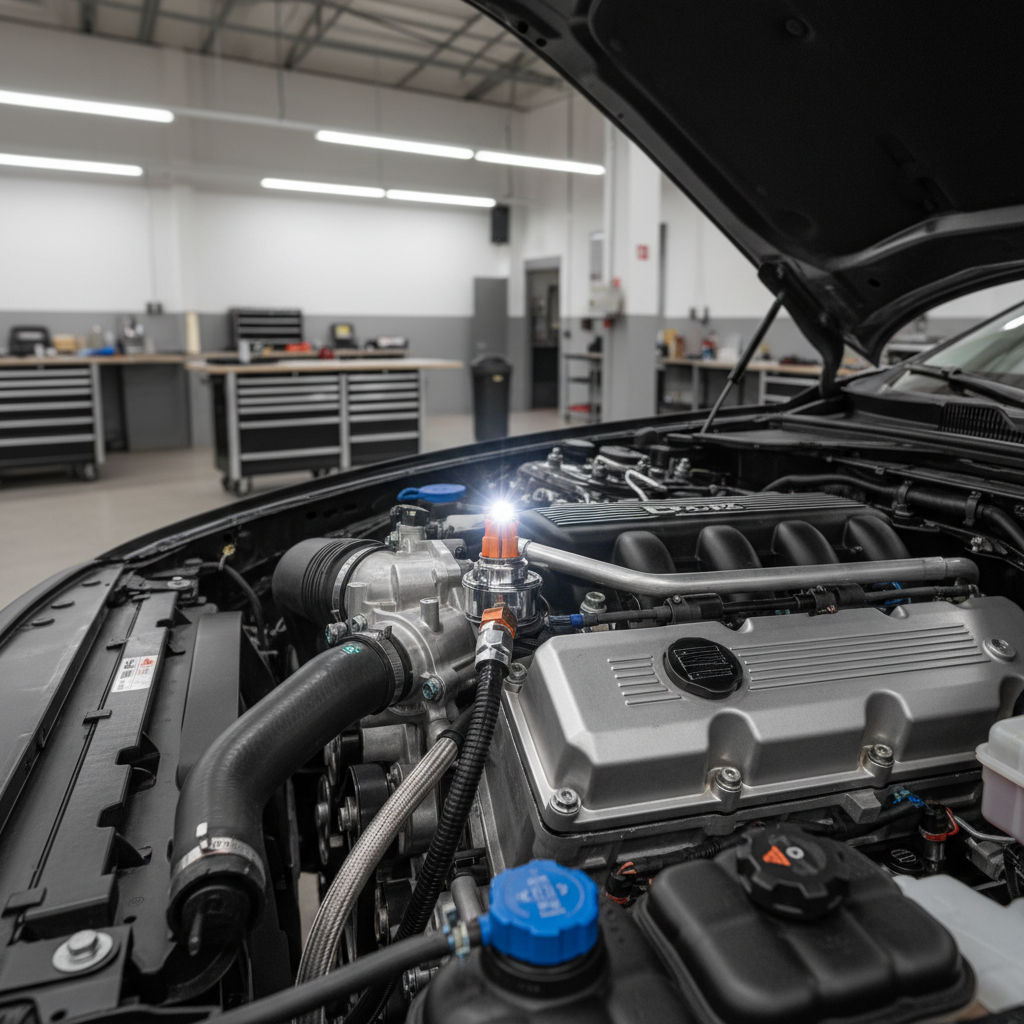
This guide focuses on practical, low-risk tests: quick visual checks, OBD-II live data, and a multimeter resistance test. I’ll also call out the common traps, because a “bad sensor” diagnosis often turns out to be low coolant, a stuck thermostat, or a wiring issue.
What the coolant temperature sensor does (and what symptoms really mean)
The engine coolant temperature (ECT) sensor reports coolant temp to the ECU, which uses that value for fueling, ignition timing, idle speed, and radiator fan control. Many vehicles also use the same signal to drive the dash gauge, though some models use a separate sender.
When the reading is wrong, you might see:
- Hard starts, rough idle, or rich smell when warm
- Radiator fan running nonstop or not kicking on when expected
- Temperature gauge spikes, drops to cold, or behaves inconsistently
- Check Engine Light with codes like P0117, P0118, P0128 (code meaning varies by model)
According to NHTSA, you should take overheating warnings seriously and stop driving if the engine is overheating, because continued operation can cause engine damage and safety risk.
Tools and safety prep before you touch anything
You do not need a full shop, but you do need to be careful around hot coolant and moving fans. Let the engine cool if you will unplug anything near the coolant outlet.
Basic tools that cover most home checks
- OBD-II scanner that shows live data (many budget units do)
- Digital multimeter (ohms and volts)
- Work gloves, flashlight, shop towels
- Optional: infrared thermometer, small pick for connector inspection
Safety note: Do not open a hot radiator cap. If you are unsure whether the system is under pressure, wait longer. In some layouts the cooling fan can start unexpectedly, even with the key off.
Quick “is it sensor or something else” checklist
Before you test anything, do a fast reality check. A lot of “bad sensor” symptoms come from basics.
- Coolant level in the reservoir is low or empty
- Obvious leak (wet spots, crusty residue near hoses, water pump, radiator end tanks)
- Thermostat behavior suggests stuck-open or stuck-closed
- Wiring/connector damage near the sensor, oil contamination, broken lock tab
- Overheat only at idle (often airflow/fan issue rather than sensor)
If coolant is low, top off correctly and find the leak first. Testing the sensor while the cooling system is compromised can send you in circles.
Method 1: Check coolant temp with an OBD-II scanner (best first test)
If you’re learning how to check car coolant temperature sensor behavior without guessing, live data is the cleanest path. You’re not measuring resistance yet, you’re checking if the reading makes sense.
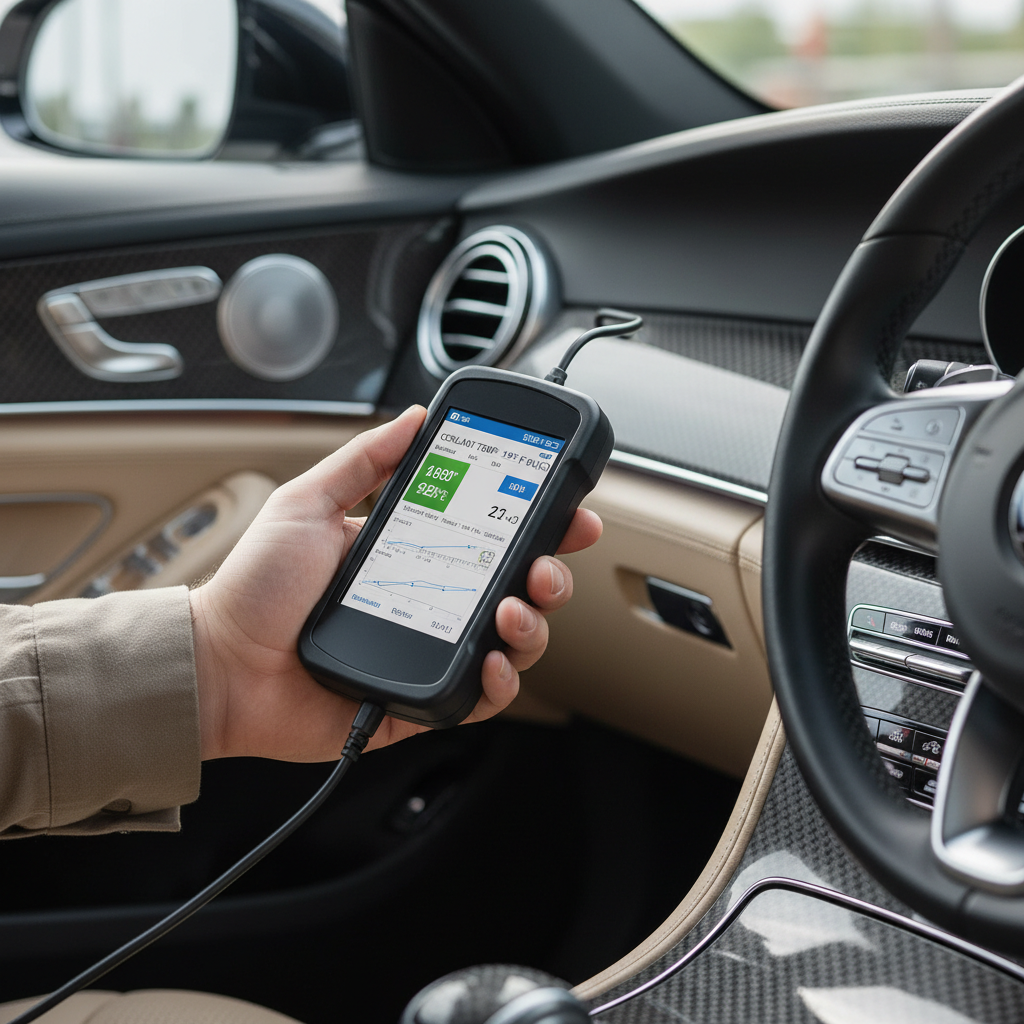
What to look for (cold start to warm idle)
- Cold engine: coolant temp should be close to ambient temperature
- Warm-up: value should rise steadily, not jump around
- At operating temp: many cars settle roughly in the 180–220°F range, but it varies by vehicle and thermostat rating
Red flags that often point to a sensor circuit issue:
- Scanner shows -40°F (typical default for an open circuit on many ECUs)
- Scanner shows an implausibly high number like 300°F+ immediately after startup (often short to ground or reference issues)
- Temp reading changes in sharp steps when you wiggle the connector gently
If your scanner data looks stable and believable but the gauge is wrong, you may be dealing with a separate gauge sender, instrument cluster issue, or a communication mismatch, depending on model.
Method 2: Inspect the connector and wiring (this fixes more than people expect)
Before condemning the sensor, inspect the electrical side. Heat cycles, coolant seepage, and oil leaks can degrade insulation and terminals.
What a good inspection looks like
- Key off, locate ECT sensor (often near thermostat housing or upper radiator hose outlet)
- Unplug connector and check for green corrosion, coolant residue, bent pins
- Look for rubbed-through wiring loom, especially near brackets and belts
- Confirm connector locks firmly, a loose fit can mimic a failing sensor
If you find corrosion, cleaning with proper electrical contact cleaner can help, but if terminals are loose or missing tension, repair or replacement of the pigtail is usually the real fix.
Method 3: Multimeter resistance test (sensor out of car or in place)
Most ECT sensors are thermistors, meaning resistance changes with temperature. You can test that behavior at home. The exact ohms spec depends on the sensor and vehicle, so the goal is often “does it change smoothly and reasonably,” not “does it match one universal number.”
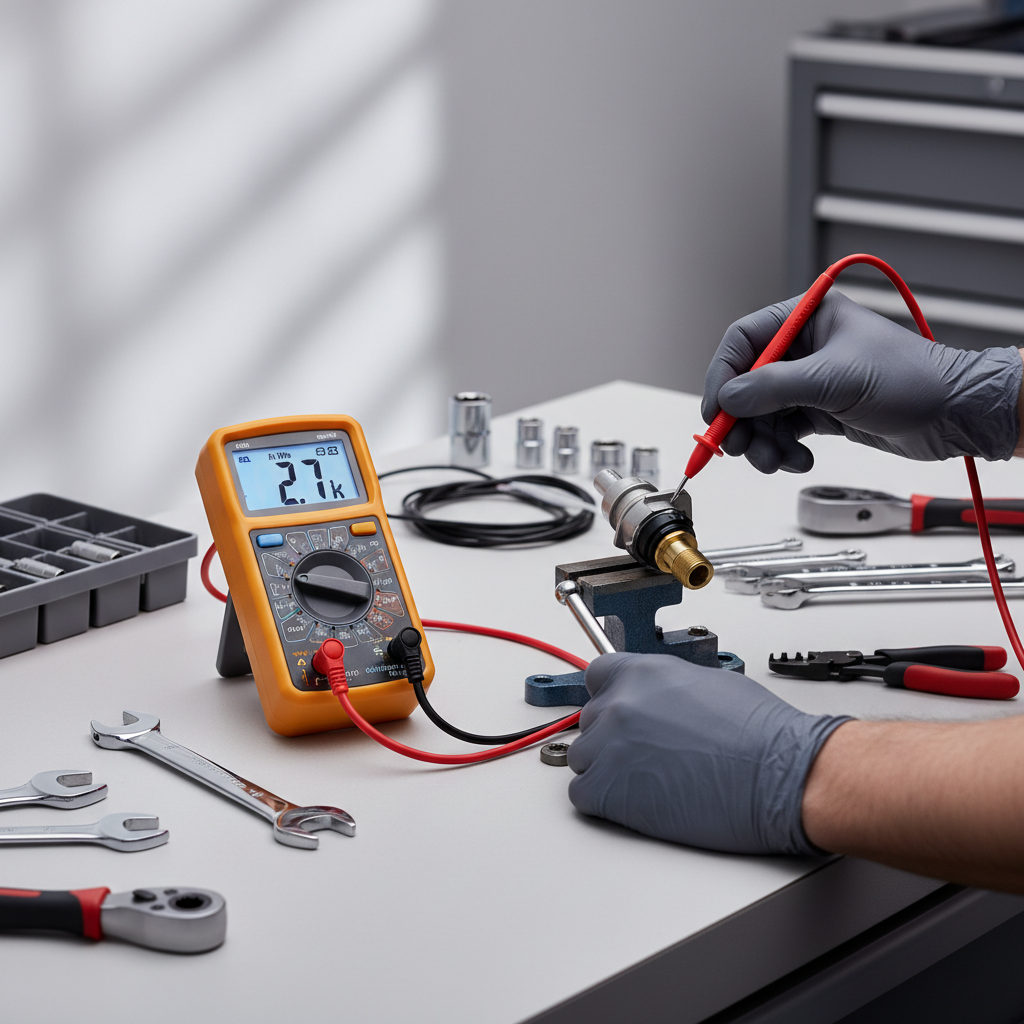
In-place quick check (cool engine)
- Engine cool, key off, unplug the sensor
- Set multimeter to ohms, measure across the sensor pins
- Compare the reading to a service manual chart if available
If you don’t have the chart, use a sanity check: at colder temps resistance is typically higher, and as the engine warms it drops steadily. If it reads open circuit (OL) or nearly zero ohms, that is suspicious.
Hot-water test (more confidence, still DIY-friendly)
- Remove sensor if accessible, note any sealing washer or O-ring
- Measure resistance at room temperature
- Place the sensor tip in warm water and then hotter water, measure again each time
- Expect smooth change, not random jumps
Do not boil it on a stove in a way that risks burns or contaminates cookware. If you want more precision, an infrared thermometer can help you track water temperature, but it’s not required for basic “good vs bad” judgment.
Interpreting results: a practical table you can use
Here’s a field-friendly way to connect symptoms, scan data, and meter results. This is not a substitute for vehicle-specific specs, but it helps you decide next steps.
| What you see | What it often suggests | What to do next |
|---|---|---|
| Live data reads -40°F | Open circuit, unplugged sensor, broken wire | Inspect connector, check harness continuity, then retest |
| Live data reads very high instantly | Short, wiring fault, reference/ground issue | Check for rubbed wiring, water intrusion, verify 5V reference if applicable |
| Temp rises smoothly but engine overheats | Cooling system problem, not sensor | Check thermostat, fan operation, coolant level, possible blockage |
| Ohms reading jumps when tapping sensor | Internal sensor fault | Replace sensor, clear codes, verify live data afterward |
| Gauge wrong, live data normal | Gauge circuit, cluster, separate sender | Confirm vehicle uses separate sender, test gauge circuit |
Fix options: what to do once you confirm a problem
If you’ve worked through how to check car coolant temperature sensor inputs and the results point to the sensor or its circuit, fixes are usually straightforward, but you want to match the fix to the failure.
If the sensor itself tests bad
- Replace with an OE-quality part that matches your engine
- Replace sealing washer or O-ring if your design uses one
- Refill coolant correctly, bleed air per your vehicle procedure
- Clear codes and verify live data on a full warm-up
If wiring/connector is the issue
- Repair damaged sections with proper automotive-grade splices
- Consider a replacement pigtail if terminals lose grip
- Route and secure the harness away from heat and abrasion points
If the reading is accurate but the engine runs hot
- Test thermostat operation, a stuck-closed thermostat can overheat quickly
- Verify fan operation and fan relays, especially if overheat happens at idle
- Look for trapped air, some engines are very sensitive to improper bleeding
Common mistakes that waste time (or create new problems)
- Replacing the sensor without checking coolant level, low coolant can expose the sensor tip to air and skew readings
- Ignoring code context, P0128 often points to thermostat performance, not just the sensor
- Measuring the wrong component, some cars have multiple temperature sensors
- Over-tightening the sensor, stripped threads or cracked housings happen more than people admit
- Not bleeding the system, air pockets can mimic a faulty reading and cause real overheating
When it’s smarter to get professional help
If your car overheats, blows coolant out, or shows signs of combustion gases in the cooling system, a sensor test is only one small piece. In those cases, continuing DIY diagnosis may increase the risk of engine damage.
Consider a shop or a mobile mechanic when:
- You see repeat overheating, even when live data looks normal
- The wiring fault involves the ECU harness, melted sections, or multiple shared sensors
- You need a smoke test or pressure test and don’t have the equipment
- You’re not confident working around hot coolant or tight access points
Key takeaways and next steps
Most at-home checks work if you keep it simple: confirm coolant level, watch live data from a cold start, then verify sensor behavior with a multimeter if the numbers look suspicious. If the readings make sense, stop blaming the sensor and pivot to thermostat, fan control, or coolant flow issues.
If you want one action step today, plug in an OBD-II scanner and confirm the coolant temp matches ambient on a cold engine, then watch for a smooth climb to operating temperature during warm-up.
FAQ
How do I know if my coolant temperature sensor is bad or my thermostat is bad?
A bad sensor often shows implausible live data, sudden jumps, or default values like -40°F. A thermostat problem more often shows believable temps but slow warm-up, overheating under load, or a P0128-style performance complaint, depending on vehicle.
Can a bad ECT sensor cause the radiator fan to run all the time?
Yes, many ECUs default to a “safe” strategy and run the fan if they think temperature data is unreliable. Wiring opens and connector issues can trigger this behavior.
What coolant temperature should I see on my scanner?
Cold start should read near outside temperature. Fully warmed readings commonly land around 180–220°F, but your exact normal depends on thermostat rating and how your vehicle manages fan stages.
Can I drive with a faulty coolant temp sensor?
Sometimes the car will drive, but fuel mixture and fan control may be wrong, and overheating risk can increase. If the engine runs hot or you see warning messages, it’s safer to limit driving and diagnose soon.
Do I need to drain coolant to replace the sensor?
Often you can swap quickly with minimal loss, but many designs will spill coolant when the sensor comes out. If access is tight or the sensor sits low on the system, draining some coolant first can reduce mess and air intrusion.
Why is my gauge normal but the scanner shows odd coolant temps?
Some vehicles smooth or “buffer” the dash gauge, and some use a separate sender. If scanner data is unstable while the gauge looks calm, suspect sensor signal or wiring, not the gauge.
How to check car coolant temperature sensor wiring at home?
Start with connector condition and harness damage, then use a multimeter for continuity and reference voltage checks if you have a wiring diagram. If you’re not comfortable probing circuits near the ECU, a technician can test it faster and safer.
If you’re working through an overheating scare or a stubborn temp code and you’d rather not chase guesses, using a scanner with reliable live data plus a basic multimeter routine is usually the most time-efficient path, and it keeps you from replacing parts that were never the issue.