
Best car window tint film shopping in 2026 usually goes wrong for one simple reason: most people compare “brands” before they decide what kind of film they actually need, then they get surprised by heat performance, signal issues, or a ticket.
If you want a tint that feels good every day, think in outcomes: cooler cabin, less glare at night, privacy without looking sketchy, and a finish that still looks clean after a few summers. Those outcomes map to film technology, not just price.
This guide breaks down the tint film types that matter, the specs installers actually look at, and a practical way to pick the right film for your car, your climate, and your local rules.
What “best” really means for window tint in 2026
The best tint film depends on tradeoffs you can live with. Most drivers want all of these at once, but reality forces priorities: heat rejection, optical clarity, durability, cost, and legality.
- Heat control: Helps with comfort and reduces A/C load, especially in sunny states.
- Glare reduction: Less eye strain, but very dark film can make night driving harder for some people.
- UV protection: Important for interior fade and skin exposure, though you should still use sun protection for health concerns.
- Signal friendliness: Some films can interfere with radio, GPS, or cell signals depending on construction.
- Long-term looks: Bubbling, hazing, or purple shift often comes down to film type and install quality.
According to the International Window Film Association (IWFA), state laws often regulate visible light transmission (VLT) and reflectivity, so “best” also means “legal enough for where you drive most.”
Film types explained (dyed vs. carbon vs. ceramic)
If you remember one thing, make it this: film type tends to predict performance and price more than the label on the box.
Dyed film
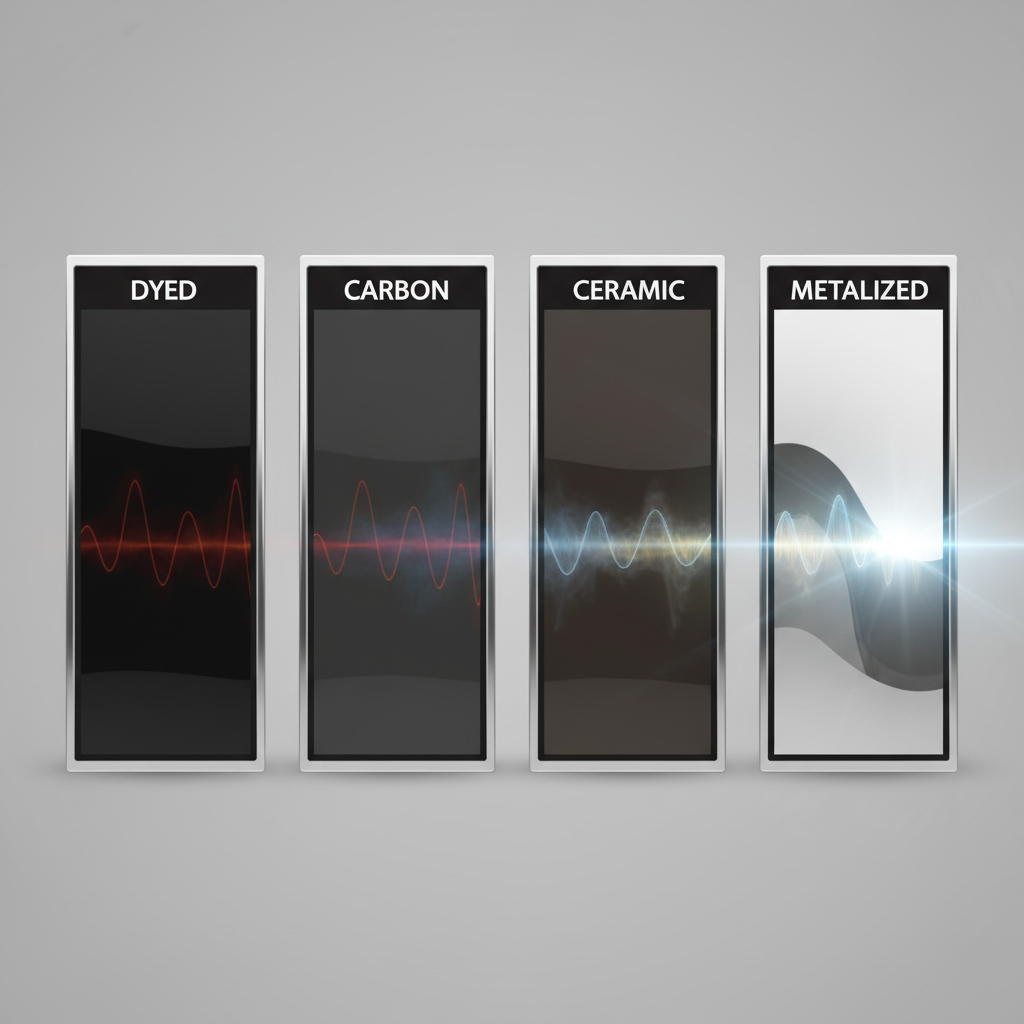
Dyed tint is the classic “dark look” option. It can cut glare and add privacy, but heat rejection is usually modest compared with higher-end options.
- Good fit for: tight budgets, mild climates, rear windows where heat control is less critical
- Watch for: faster fading or color shift on cheaper lines
Carbon film
Carbon films often look richer (less “purple”) and tend to be more stable over time. Heat performance is typically better than dyed, without the signal concerns some metallic films can bring.
- Good fit for: drivers who want a step up without ceramic pricing
- Watch for: wide variance by manufacturer line, don’t assume “carbon” means premium
Ceramic film
Ceramic is where many “best car window tint film” lists land for daily comfort. These films often deliver strong heat rejection with good clarity, and they’re generally less likely to mess with electronics.
- Good fit for: hot climates, long commutes, premium cars, anyone sensitive to heat/glare
- Watch for: higher price, and the need for a careful install to avoid contamination
Metalized film (less popular for modern cars)
Metalized tint can reject heat well, but it can also reflect more and, in some vehicles, contribute to signal issues. Many shops steer modern drivers toward carbon or ceramic instead.
The specs that matter (and the ones that confuse people)
Spec sheets can feel like alphabet soup, and some numbers get overemphasized in marketing. Here’s what’s worth your attention when comparing tint options.
- VLT (Visible Light Transmission): How much light passes through. Lower VLT looks darker and can reduce glare, but legality and night visibility matter.
- IR rejection: A proxy for heat-blocking performance. Helpful, but compare within the same testing standard.
- TSER (Total Solar Energy Rejected): Often more useful than a single IR number because it reflects total heat reduction.
- UV rejection: Many quality films claim very high UV blocking; still, health questions are personal, so consider discussing sun exposure with a medical professional if concerned.
- Haze/clarity: Matters a lot for night driving and rainy conditions, especially on windshields where allowed.
Practical tip: if you’re comparing two ceramic films, TSER and clarity usually predict satisfaction better than chasing the highest single IR number.
Quick comparison table: picking a tint by priorities
Use this table as a starting point, then adjust for your state rules and how long you keep vehicles.
| Film type | Typical cost | Heat control | Clarity | Durability | Signal risk |
|---|---|---|---|---|---|
| Dyed | $ | Low–Medium | Medium | Low–Medium | Low |
| Carbon | $$ | Medium | Medium–High | Medium–High | Low |
| Ceramic | $$$ | High | High | High | Low |
| Metalized | $$ | Medium–High | Medium | Medium | Medium |
Self-check: which “best car window tint film” category are you?
This is the fast way to avoid overbuying or underbuying.
- “My car turns into an oven” person: You park outside, live in the Sun Belt, or drive midday. You’ll usually be happier with ceramic, even at higher cost.
- “I just want privacy” person: You care about looks and valuables out of sight. Carbon or a good dyed film can work, but stay inside legal VLT.
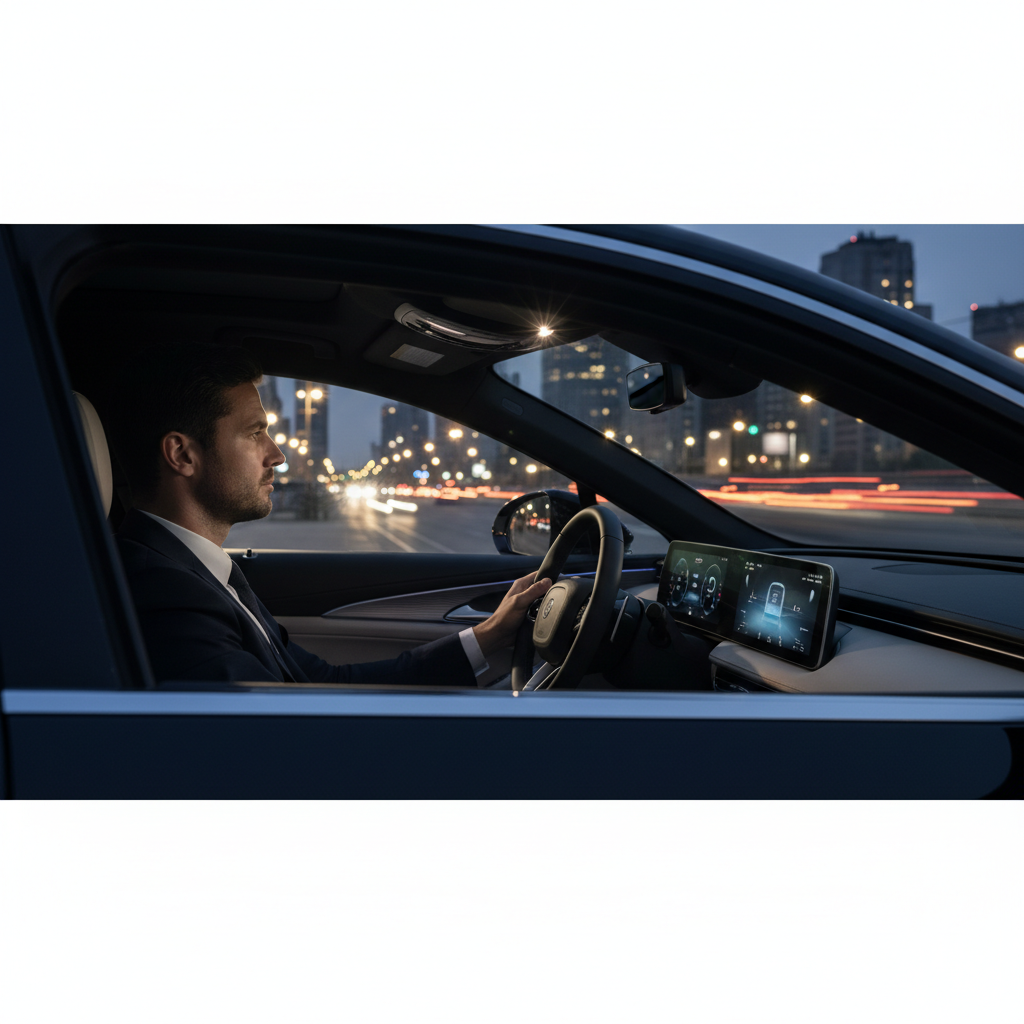
- “Night driving bugs me” person: You’re glare-sensitive or drive rural roads. Consider a lighter VLT with higher-performance film, not just darker tint.
- “I keep cars forever” person: You notice small defects and hate redoing work. Lean toward higher durability films and a reputable installer.
- “I’m leasing / flipping soon” person: Mid-tier film from a solid shop often hits the value sweet spot.
If you’re stuck between two options, choose based on climate + night visibility + how long you keep the car. That trio usually settles it.
How to choose and buy: a practical 6-step process
Shopping for tint gets easier when you treat it like a small spec project, not an impulse add-on.
- Step 1: Check your state VLT rules. Many states set different limits for front side windows, rear sides, and back glass. If you cross state lines often, staying conservative can reduce hassle.
- Step 2: Decide your front-window strategy. For many drivers, a lighter front VLT with a higher-performance film feels better than going dark and struggling at night.
- Step 3: Pick film type by outcome. Heat: ceramic; balanced value: carbon; budget look: dyed.
- Step 4: Ask for the spec sheet and warranty terms. You want clarity on bubbling, peeling, color change, and transferability if you sell the car.
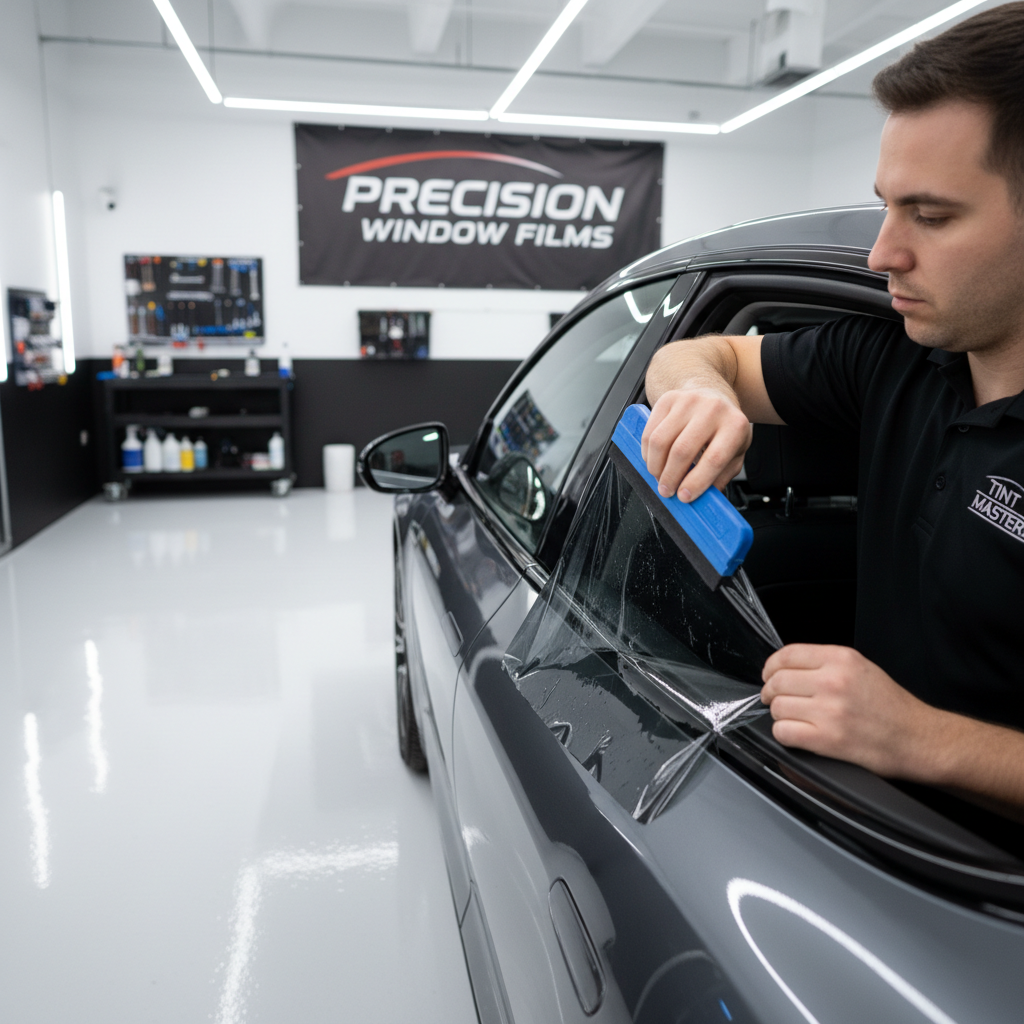
- Step 5: Choose the installer, not just the film. A great film with a rushed install still looks bad. Ask how they handle dust control and edge finishing.
- Step 6: Plan aftercare. Most shops recommend gentle cleaning and avoiding rolling windows down for a short period after install, but follow the shop’s specific instructions.
When people say they bought the best car window tint film and still hate it, it’s often Step 2 or Step 5 that went sideways.
Mistakes to avoid (these cost real money)
A few common choices create most of the regret.
- Going too dark up front: It might look great at noon, then feel stressful in rain or on unlit roads.
- Chasing a single number: A giant IR claim does not automatically mean the cabin feels cooler; compare TSER and real-world visibility too.
- Ignoring windshield rules: Windshield tint laws vary a lot, and visibility is a safety issue. If you’re considering it, talk to a reputable local shop and stay within legal limits.
- Assuming all “ceramic” is equal: Product lines differ, and some entry ceramics don’t perform like premium ceramics.
- DIY without the right environment: Dust, creases, and edge lift are common, and removing bad film can be more annoying than paying for install.
When to ask a professional (and what to ask)
If you have a newer car with advanced driver assistance sensors, complex glass, or embedded antennas, it’s smart to consult a pro before you commit. According to the National Highway Traffic Safety Administration (NHTSA), visibility and safe operation matter, so if a tint choice might affect your ability to see clearly at night, consider a lighter VLT or skip certain windows.
- Ask what film lines they carry and why they recommend one for your vehicle and climate.
- Ask how they cut the film and how close to the edge they finish, since edge work affects long-term peeling risk.
- Ask about rework policy for debris, bubbles, or distortion, and how soon you should bring the car back if you notice issues.
If you get headaches, eye strain, or unusual discomfort after tinting, that can happen for a few reasons like darkness choice or optical distortion; consider having the shop evaluate, and consult a medical professional if symptoms persist.
Conclusion: the “best” tint is the one you don’t think about
The best car window tint film in 2026 is rarely the darkest or the most expensive on paper, it’s the one that fits your daily driving: legal VLT, comfortable heat control, clear night visibility, and a clean install that holds up.
Action ideas: pick your target VLT by where you drive at night, then choose carbon or ceramic based on how brutal your summers feel, and finally spend the extra time picking a shop with consistent workmanship.