
best car roof cargo bag non slip mat choices matter more than most people think, because the mat is what decides whether your loaded bag stays planted, stays quiet, and stays off your paint at highway speed.
If you have ever heard that low rumble or felt the steering get a little “busy” when crosswinds hit, there is a decent chance your roof load is shifting more than it should. A good cargo bag helps, but without the right non-slip mat under it, even a well-made bag can creep, especially on smooth paint, glass roofs, or wet surfaces.
This guide breaks down what actually makes a mat work, how to match it to your vehicle roof and bag, and how to set everything up so it stays stable without over-tightening straps. You will also get a quick comparison table and a practical checklist you can use before every trip.
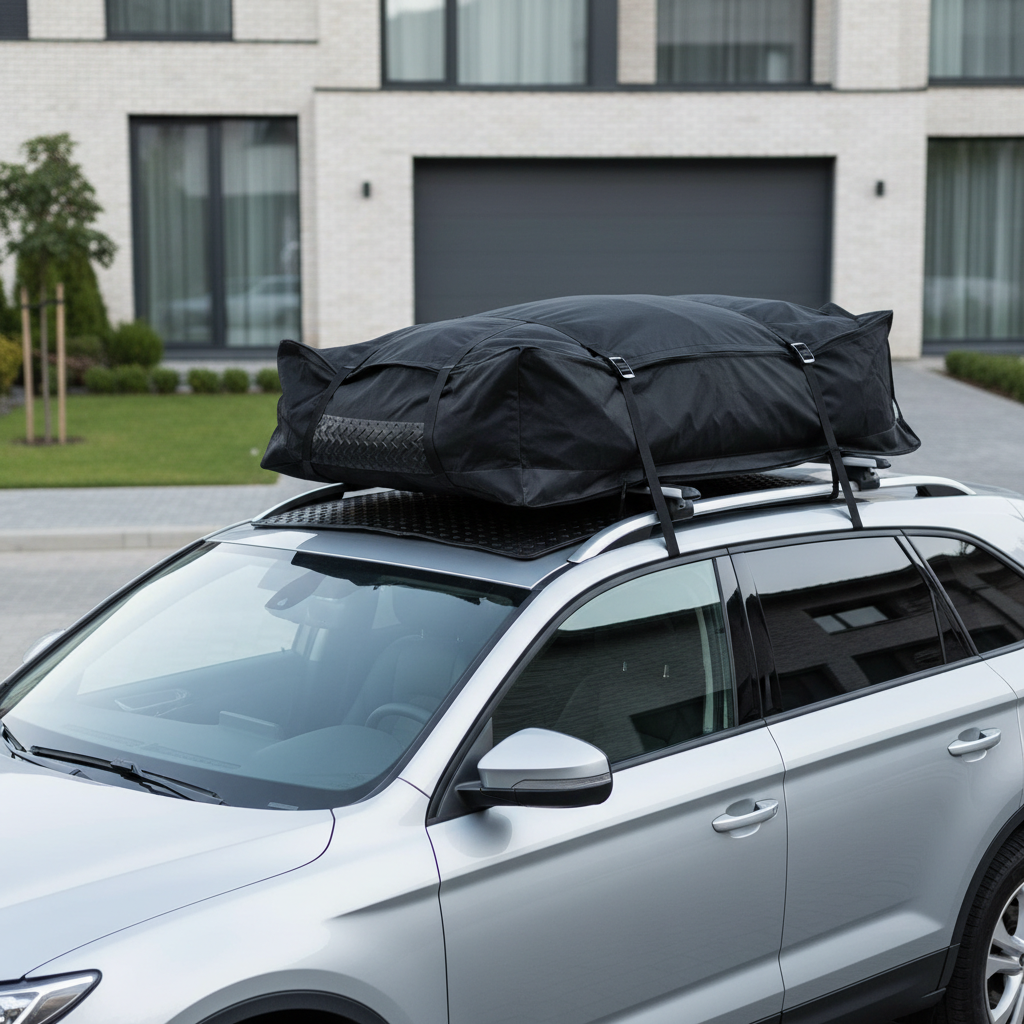
Why a non-slip mat is the difference between “mounted” and “secure”
A roof bag looks stable when parked, but movement starts once air pressure, vibration, and water get involved. The mat’s job is not just friction, it also helps manage pressure points and surface contact.
- Friction on smooth roofs: Many modern roofs have slick clearcoat, panoramic glass, or paint that gets even slicker when damp. A grippy mat reduces the “slow slide” effect over time.
- Paint protection: Road dust plus vibration can act like fine sandpaper. A mat can reduce abrasion, though it is not a guarantee if grit gets trapped.
- Water management: A fully sealed mat can trap water, a mesh-style mat may drain better. Which is “better” depends on weather and how often you remove the setup.
- Noise control: Less micro-movement usually means less strap buzz and less drumming sound from the bag base.
According to NHTSA, properly securing cargo is a key part of preventing road hazards caused by shifting or lost loads. A roof setup is not immune to that basic rule, even if the load is inside a bag.
Quick comparison table: common mat types and who they fit
Most shoppers focus on the bag fabric and zipper, but mat material and surface pattern often decide day-to-day usability. Here is a practical way to compare.
| Mat type | Grip level | Water behavior | Best for | Watch out for |
|---|---|---|---|---|
| Rubberized solid sheet | High | May trap water | Short trips, frequent highway use | Moisture under mat if left on |
| PVC/foam “toolbox liner” style | Medium to high | Varies by thickness | Budget setups, occasional travel | Can compress and creep if thin |
| 3D mesh / ventilated pad | Medium | Drains and dries better | Rainy climates, longer installs | Less grip on very smooth roofs |
| Multi-layer “cargo bag mat” (textured top + protective bottom) | High | Balanced | Frequent road trips, nicer paint | Quality varies, check edges and stitching |
Self-check: do you actually need a dedicated non-slip mat?
Some roofs and some bags behave fine without extra help, but many do not. Use this quick check before spending money or, worse, before a long drive.
- Your roof is glass or very smooth paint, and the bag base feels like it “floats” when you push it by hand.
- You drive in heavy rain or snow and cannot remove the bag between legs of the trip.
- You rely on door-frame straps (no roof rails), because strap tension becomes the only thing resisting side-to-side movement.
- You carry bulky, light gear such as sleeping bags, coats, pillows, because it can shift inside the bag and push the bag base around.
- You hear strap flutter or feel steering correction in gusts, which can be a sign of wind lift and micro-sliding.
If two or more bullets sound like your situation, a dedicated mat is usually worth it. For a rare, slow, short drive across town, you may not notice a difference, but most highway trips expose weaknesses fast.
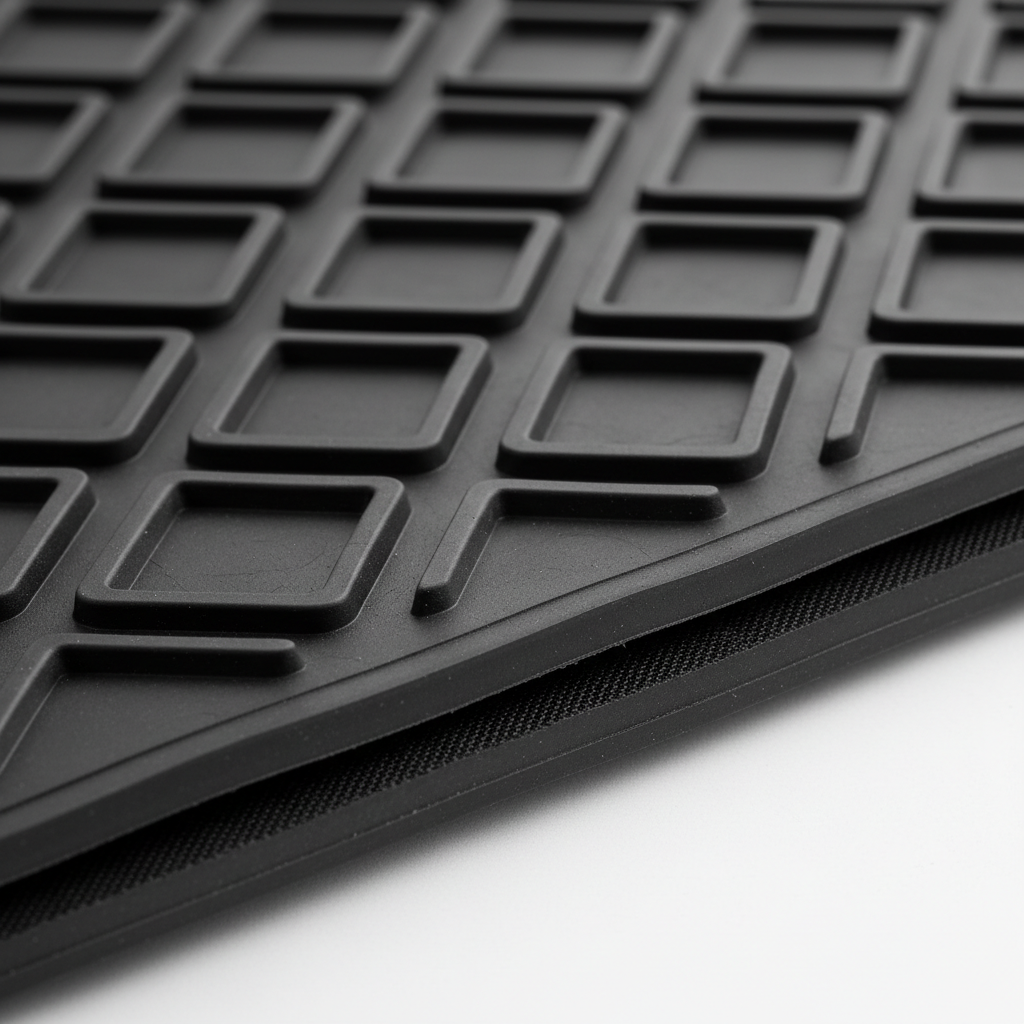
What to look for in the best car roof cargo bag non slip mat
There is no universal “one mat wins” answer, because roofs, climates, and storage habits vary. Still, a few criteria tend to separate mats that behave well from mats that annoy you after trip one.
1) Real grip, not just softness
Soft foam can feel grippy in your hand and still slide on a wet roof. Look for a textured pattern that resists shear, not just a cushy feel.
2) Edges that do not curl
Curling edges invite wind to get underneath, and they collect dirt. Many good mats have reinforced edges or thicker perimeter material.
3) Enough size to cover strap contact zones
A mat that only covers the bag footprint, but leaves straps rubbing paint, misses the point. Ideally it extends under strap paths, at least near the roof edge.
4) Water and heat tolerance
In many parts of the US, a roof can get extremely hot in summer sun. Cheap materials can soften, imprint, or leave residue. If you see strong chemical odor out of the package, let it off-gas outside and consider whether it belongs on paint at all.
5) Compatibility with your roof type
- Roof rails/crossbars: You may use the mat mainly for paint protection and noise control.
- Naked roof: You need both grip and a setup that prevents water entry at door seals, because straps route through door frames.
Setup that actually works: step-by-step (and where people mess it up)
The best car roof cargo bag non slip mat will not save a sloppy install. The goal is stable contact, even tension, and minimal trapped grit.
Step 1: Clean the roof and the mat
Wipe dust off the roof, then wipe the mat. If you skip this, you risk rubbing grit into paint over hours of vibration.
Step 2: Place the mat first, then position the empty bag
Center the mat, then set the empty bag and align it before loading. Loading first often forces you to drag a heavy bag into place, which can grind dirt and crease the mat.
Step 3: Load to reduce internal shifting
- Put denser items low and centered, keep sharp corners padded.
- Use soft items to fill gaps so the load cannot “roll” inside.
- Do not overstuff, zippers and seams take the stress, and stress becomes movement.
Step 4: Tension straps evenly, then re-check after 10–15 minutes
Even tension matters more than maximum tension. Over-tightening can deform the bag base and reduce contact area, which can increase creeping on some roofs. After a short drive, stop somewhere safe and re-check, straps often settle.
Step 5: After rain, lift a corner and let things dry
If your trip involves days of wet weather, plan for moisture. Trapped water may increase odor, encourage grime, and in some cases affect trim. If you are unsure about your vehicle’s seals or roof finish, it can be smart to ask a dealer service advisor or a trusted shop.
Practical buying tips (without overpaying)
Roof accessories have a wide price spread, and “premium” does not always mean “better for your roof.” These are the buying moves that usually age well.
- Measure your bag footprint: Mat coverage should be slightly larger than the bag base, plus a bit of room where straps cross.
- Match the mat to how often you remove it: If you take it on and off frequently, a simple sheet you can rinse and dry may beat a thick multi-layer pad.
- Look for easy cleaning: If a mat holds grit in deep grooves, it might protect less over time unless you wash it well.
- Be realistic about paint protection: A mat reduces risk, it does not eliminate it. If your roof has fresh paint or you are very particular, consider adding a removable paint protection film in high-contact areas and consult an installer.
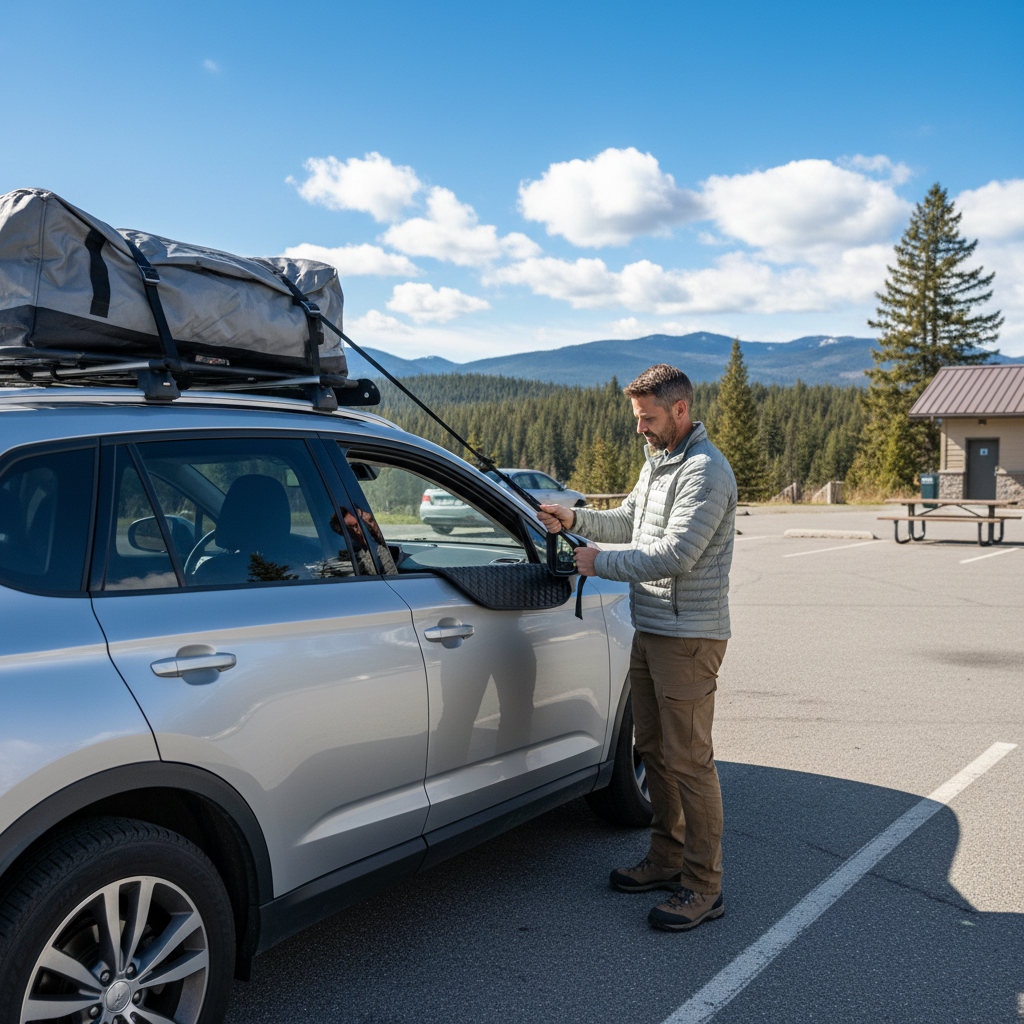
Key takeaways and a simple pre-drive checklist
If you only remember a few things, remember these. They save the most frustration on real trips.
- Grip is only half the story: cleanliness and even strap tension decide whether the setup stays quiet and stable.
- Coverage matters: protect both the bag base area and strap contact zones.
- Water management matters on multi-day trips: plan to dry the mat when possible.
- Re-check early: the first 10–15 minutes often reveals settling.
30-second checklist
- Roof wiped, mat wiped, no grit trapped
- Mat centered, edges flat, no curl
- Bag centered, load balanced, not overstuffed
- Straps even left-to-right, buckles positioned to avoid paint contact
- After short drive, re-check tension and any creeping
Conclusion: choose stability over hype
The best results usually come from a sensible combo: a roof bag that fits your volume needs and a non-slip mat that matches your roof surface and weather reality. If your setup stays put, stays clean, and stays easy to re-check, you will feel it in lower noise and less stress on long drives.
Pick a mat with reliable texture, enough coverage, and easy cleaning, then spend five extra minutes on install and the early re-check. That small routine is often what separates “it worked” from “never again.”
FAQ
What size non-slip mat do I need for a roof cargo bag?
Aim for a mat slightly larger than the bag base so it supports the full footprint and covers high-pressure areas. If straps touch the roof, extra width near strap paths helps prevent rub marks.
Can a non-slip mat prevent roof scratches completely?
It can reduce scratching risk, but it cannot guarantee zero marks because trapped dust and vibration still exist. Cleaning before installation and washing the mat after use usually matters as much as the material.
Is a non-slip mat safe on a panoramic glass roof?
Many people use mats on glass, but glass and seals vary by vehicle. Avoid hard debris under the mat, do not over-tighten, and if your owner’s manual warns against roof loads on glass, follow that guidance.
Will a mat trap water and cause problems?
Solid mats can hold moisture, especially if left installed for days. If you expect rain, a ventilated pad may dry faster, and it helps to lift and air-dry when you stop for the night.
Do I still need a mat if I have roof rails or crossbars?
You may still benefit from one for paint protection and to reduce micro-movement, but crossbars already handle a lot of stability. In many setups, the mat becomes “nice to have” rather than critical.
How tight should roof bag straps be?
Tight enough that the bag cannot shift when you push firmly by hand, but not so tight that you visibly deform the bag base or crush the load. Re-check after a short drive because straps tend to settle.
Can I use shelf liner or a yoga mat instead?
Sometimes, but results vary. Thin liners can creep when wet, and some foam mats can leave residue in heat. If you go DIY, test a small spot first and avoid leaving it on for long periods.
If you are trying to pick a non-slip mat quickly, it helps to start with your roof type and typical weather, then buy for coverage and cleanability rather than marketing claims. If you want, share your vehicle model, roof style, and bag size, and I can suggest what dimensions and mat style usually fit best.