
Best car seat cushions for hip pain usually share one job: reduce pressure on the hip joint and “sit bones” while keeping your pelvis steady so you stop bracing through every mile.
If your hip hurts in the car but feels okay at home, that’s a useful clue, driving forces a fixed hip angle, a narrow seat pan, and small posture habits that add up fast, especially on commutes and road trips.
This guide breaks down what actually matters when you shop, not just “memory foam vs gel,” plus a quick self-check, a comparison table, and setup steps so you can tell whether you need a seat cushion, a lumbar tweak, or both.
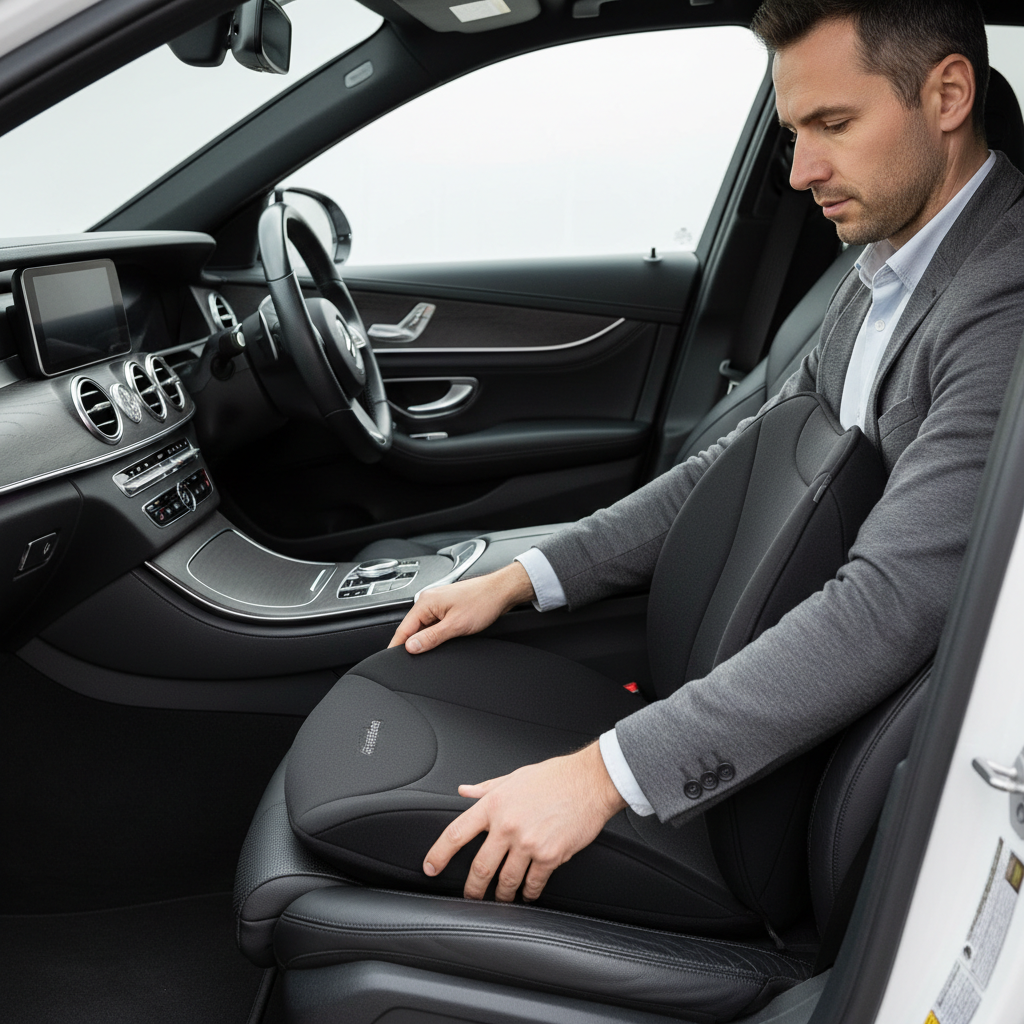
What causes hip pain while driving (and what a cushion can change)
Hip pain in the car often comes from pressure + position + time, not one single “bad seat.” A cushion helps most when it reduces peak pressure points and keeps your hips from rolling inward or tucking under.
- Compressed sciatic/soft tissue pressure: some people feel ache, tingling, or burning where the seat presses into the glutes, especially on firm seats.
- Hip flexor overload: low seats or a far steering wheel can keep the hip in flexion too long, the front of the hip tightens and the joint feels pinchy.
- Pelvic tilt and rotation: a “slumped” pelvis can load one side more than the other, a cushion with the right contour sometimes reduces that drift.
- Seat shape mismatch: bolsters that push the thighs inward or a seat pan that’s too short can shift load into the hip.
According to NIH (National Institutes of Health), conditions like bursitis, arthritis, and sciatica can contribute to hip-area pain, if you suspect a medical cause, it’s smart to discuss symptoms with a clinician rather than chasing accessories.
Quick self-check: which type of cushion tends to work for your situation
Before you buy anything, figure out what you’re trying to change, pressure, height, alignment, or heat. Use this quick checklist and pick the “most like me” column.
- Pain starts within 10–20 minutes and feels like a hot spot under one sit bone → you likely need better pressure distribution (contoured foam or hybrid).
- Pain builds after 45–90 minutes, plus stiffness getting out of the car → you may need slightly more height and a steadier pelvis (firmer foam, wedge, or coccyx cutout).
- Numbness/tingling down the leg during long drives → a cushion may help, but seat angle + lumbar support often matters just as much, consider professional advice if persistent.
- Front-of-hip pinching when lifting your knee or stepping out → check seat height and distance to pedals, a thick cushion can sometimes make this worse if it raises knees too high.
- Heat/sweating makes pain worse → look for breathable covers and ventilated designs, gel can feel cool at first but varies by product.
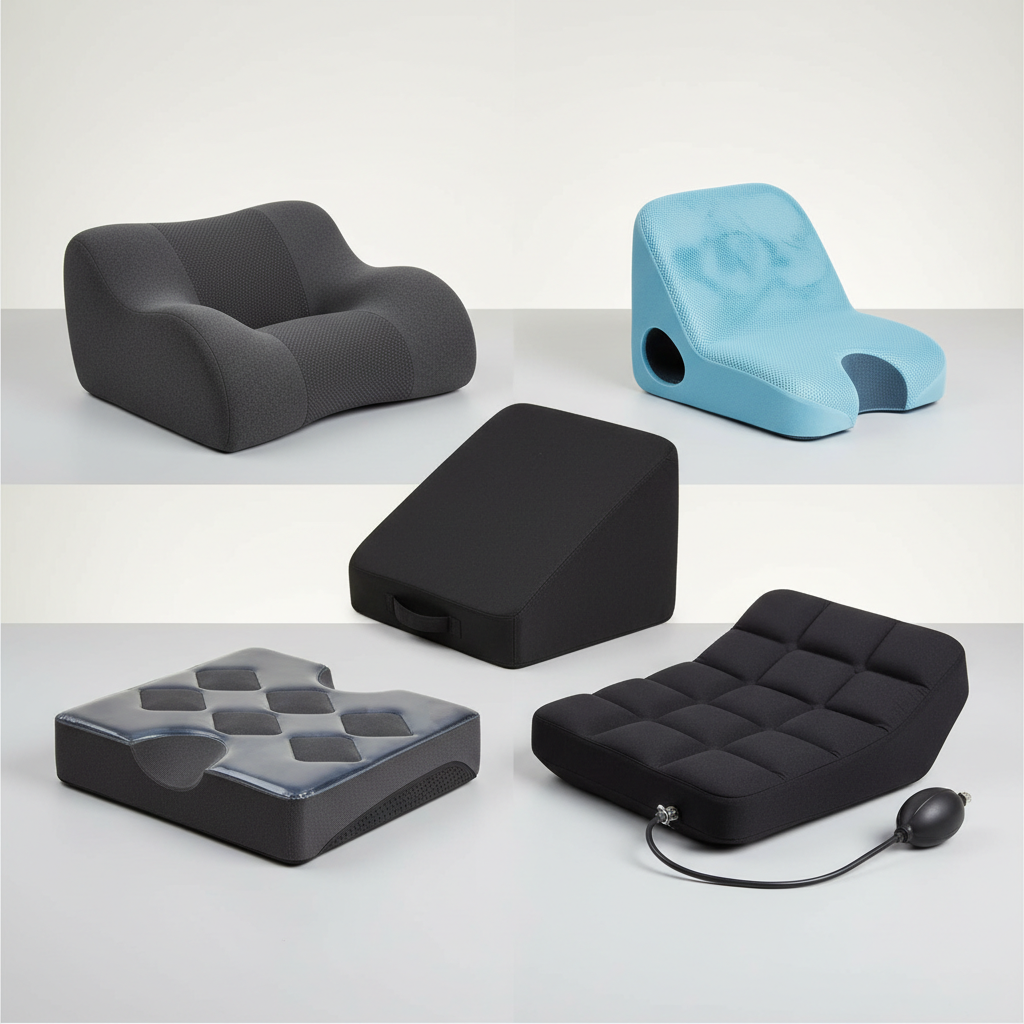
Comparison table: common cushion types for hip pain in a car
Most “best car seat cushions for hip pain” lists ignore fit, thickness, and stability, which is where wins and losses happen. Here’s a practical comparison.
| Type | Best for | Watch-outs | What to look for |
|---|---|---|---|
| Contoured memory foam | Pressure relief on sit bones, mild alignment help | Can feel too soft, may trap heat | High-density foam, non-slip base, washable cover |
| Firm foam wedge | Pelvic positioning, long commutes | Can change leg angle, may stress knees if too steep | Gentle slope, stable edges, secure straps |
| Coccyx cutout cushion | Tailbone sensitivity plus hip discomfort | Cutout placement can feel awkward in bucket seats | Wide cutout, supportive perimeter, not overly thick |
| Gel or gel-hybrid | Heat management, softer “float” feel | Some gel bottoms out, can shift on turns | Hybrid gel + foam core, grippy underside |
| Air-adjustable cushion | Fine-tuning pressure and height | Can feel unstable, durability varies | Multi-chamber design, easy valve access |
How to choose: the few specs that matter more than marketing
If you want the best car seat cushions for hip pain for your body and your vehicle, pay attention to fit and firmness before brand claims. A “top-rated” cushion that slides, tilts, or changes pedal reach can backfire.
1) Thickness and height change
- 1.5–3 inches suits many drivers, it adds comfort without pushing you too high.
- If your head feels closer to the roof or your knees rise above hips, consider a thinner cushion or a different seat adjustment.
2) Firmness (support vs sink)
- Too soft often means you bottom out and your hips rotate, pain returns in 20 minutes.
- Too firm can create a new pressure point, especially on narrow seat pans.
- A good sign: you feel “held up,” not perched.
3) Contour and cutouts
- Gentle contour helps keep pelvis centered without forcing your hips wide.
- Coccyx cutout helps some people, but only if the opening lines up with your tailbone when you sit normally.
4) Stability in real driving
- Non-slip rubber base helps, straps help more on leather seats.
- If you corner and the cushion shifts, your hips will tense, that defeats the purpose.
5) Temperature and cover
- Breathable mesh covers usually feel better over long drives.
- Gel “cooling” varies, in hot cars it often equals “less warm,” not truly cool.
Setup matters: step-by-step to reduce hip pain on your next drive
Buying the right cushion helps, but setup is where most people miss. Small adjustments can change hip loading more than swapping materials.
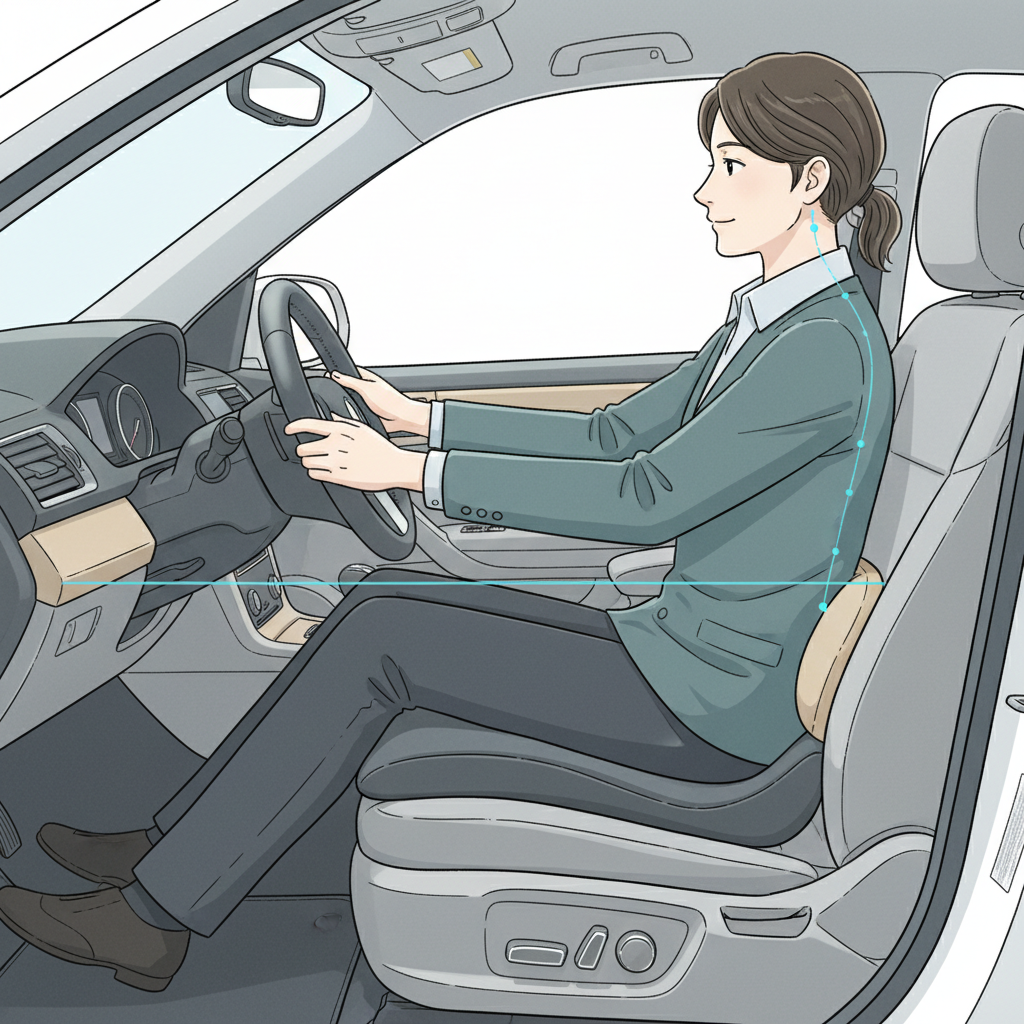
- Start with the seat, not the cushion: set seat height so hips are roughly level with knees, then adjust distance so you can press pedals without reaching.
- Check seat pan tilt: if the front edge digs into thighs, slightly reduce tilt if your car allows it, it can reduce hip tension.
- Place the cushion fully back: many cushions creep forward, which pushes you into a slouch and loads hips unevenly.
- Add lumbar support if you slump: even a small lumbar roll can keep pelvis neutral, which often complements the cushion.
- Do a 2-minute test loop: brake, accelerate, turn, and see if you slide, any sliding means you’ll brace and flare symptoms.
According to NHTSA, maintaining proper seating position and control of pedals matters for safe driving, if a cushion changes your reach or visibility, treat that as a deal-breaker and reconfigure.
Practical buying picks: match cushion style to common hip pain patterns
Rather than naming “one winner,” it’s more honest to map cushion styles to the situations they handle well, because the best car seat cushions for hip pain depend on what triggers your discomfort.
- Deep ache in the butt/outer hip on firm seats: contoured high-density memory foam or foam + gel hybrid, prioritize stability and medium-firm support.
- Stiffness after long highway drives: firm foam wedge with a gentle slope, pair with light lumbar support to prevent pelvic tuck.
- Tailbone tenderness plus hip soreness: coccyx cutout cushion, verify cutout position and avoid overly thick models that raise knees too high.
- Heat makes everything worse: breathable mesh cover, ventilated design, consider a hybrid over pure gel if you dislike “wobble.”
- You’re between sizes or share a car: air-adjustable can work, but only if it stays stable and doesn’t roll under you.
Common mistakes that waste money (or make pain worse)
A cushion can be helpful, but it’s easy to buy the wrong thing and blame your body. These are the missteps I see most in product selection and setup.
- Going too thick: extra height can shorten headroom, change pedal feel, and increase hip flexion, which may aggravate front-hip pain.
- Ignoring seat angle: if the seat pan tips you backward, your pelvis tucks and hips load unevenly, the cushion won’t fix that alone.
- Chasing “soft”: comfort in the first 5 minutes often turns into bottoming out at minute 30.
- Letting the cushion float: sliding and micro-adjustments make you tense, you want “set and forget.”
- Not taking breaks: even the right setup can’t erase the effects of staying still for hours, plan brief stops when possible.
When to get professional help (and when to stop experimenting)
If hip pain persists, gets sharper, or spreads down the leg, a cushion is not a diagnosis. It’s reasonable to seek help sooner when symptoms hint at something beyond simple pressure irritation.
- See a clinician or physical therapist if you have pain at night, weakness, numbness, progressive symptoms, or pain after a fall.
- Talk to a professional if you suspect arthritis, bursitis, sciatica, or post-surgery sensitivity, they can suggest safer positioning and exercises.
- Prioritize driving safety: if any cushion compromises pedal control, seat belt fit, or visibility, don’t use it while driving.
According to CDC, falls and injuries can have lasting impact, if your hip pain started after trauma or keeps escalating, it’s sensible to get evaluated rather than self-treating with accessories.
Key takeaways
- Support and stability beat “extra softness” for most drivers with hip discomfort.
- The right cushion depends on your pattern: pressure hot spots, stiffness, tailbone sensitivity, or heat.
- Seat setup plus light lumbar support often matters as much as the cushion itself.
- If symptoms include numbness, weakness, or worsening pain, consider professional guidance.
Conclusion: a cushion can help, if you match it to the real problem
The best car seat cushions for hip pain usually succeed for one simple reason, they change pressure and alignment without making you fight the seat. If you pick a medium-firm, stable cushion that fits your seat pan, then take five minutes to dial in height, tilt, and lumbar support, many people feel a noticeable difference on commutes.
Your next step: decide which pattern fits you, pressure hot spot, stiffness, tailbone pain, or heat, then choose a cushion type from the table and do a short test drive before committing to a long trip.
FAQ
- What is the best car seat cushion for hip pain from arthritis?
Many people do better with a medium-firm contoured foam cushion that spreads pressure, but arthritis pain varies a lot, if you have diagnosed arthritis, it’s worth asking your clinician or PT about safe hip angles and seat height. - Do coccyx cutout cushions help hip pain or only tailbone pain?
They can help when tailbone sensitivity makes you shift weight to one hip, but if the cutout placement feels odd, you may end up rotating your pelvis, which can irritate the hip. - Is memory foam or gel better for hip pain while driving?
Memory foam often wins for stable support, gel can feel cooler and softer, but some gel designs shift on turns, a hybrid gel-over-foam tends to balance both for many drivers. - How thick should a car seat cushion be for hip pain?
Commonly 1.5–3 inches works, thicker cushions can change pedal reach and hip flexion, which may increase discomfort for some body types and vehicles. - Can a car seat cushion cause sciatica?
A poorly fitting cushion can increase pressure or tilt your pelvis, which may aggravate sciatic symptoms, if you notice numbness or shooting pain, stop using it and consider medical advice. - Why does hip pain get worse when I drive but not when I ride as a passenger?
Driving usually locks one leg into repetitive pedal work and keeps your pelvis more fixed, plus you brace during braking and turning, a cushion may help, but seat distance and lumbar support often need adjustment too. - Should I use a hip pain cushion with lumbar support?
Often yes, especially if you slump, a small lumbar roll can keep your pelvis neutral so the cushion can do its job, just keep the setup minimal and stable.
If you’re trying to reduce hip pain on daily drives and want a more “set it once” approach, choose a stable medium-firm cushion, then spend a few minutes dialing in seat height, seat pan tilt, and lumbar support, it’s usually the difference between a cushion that helps and one that ends up in the trunk.