
Best car folding rear seat organizer for kids usually comes down to one thing: can it keep the backseat calm without becoming another unsafe, annoying thing you regret buying.
If you drive with kids, you already know the pattern, toys migrate to the floor, snacks explode into crumbs, wipes disappear the exact moment you need them, and then you end up twisting around at a red light trying to find a water bottle. A folding organizer can fix a lot of that, but only if it fits your car and your kid setup.
This guide focuses on what actually matters when choosing one for US families, the practical features worth paying for, what to avoid, and a quick way to match an organizer style to your daily routine, school runs, road trips, or rideshare situations.
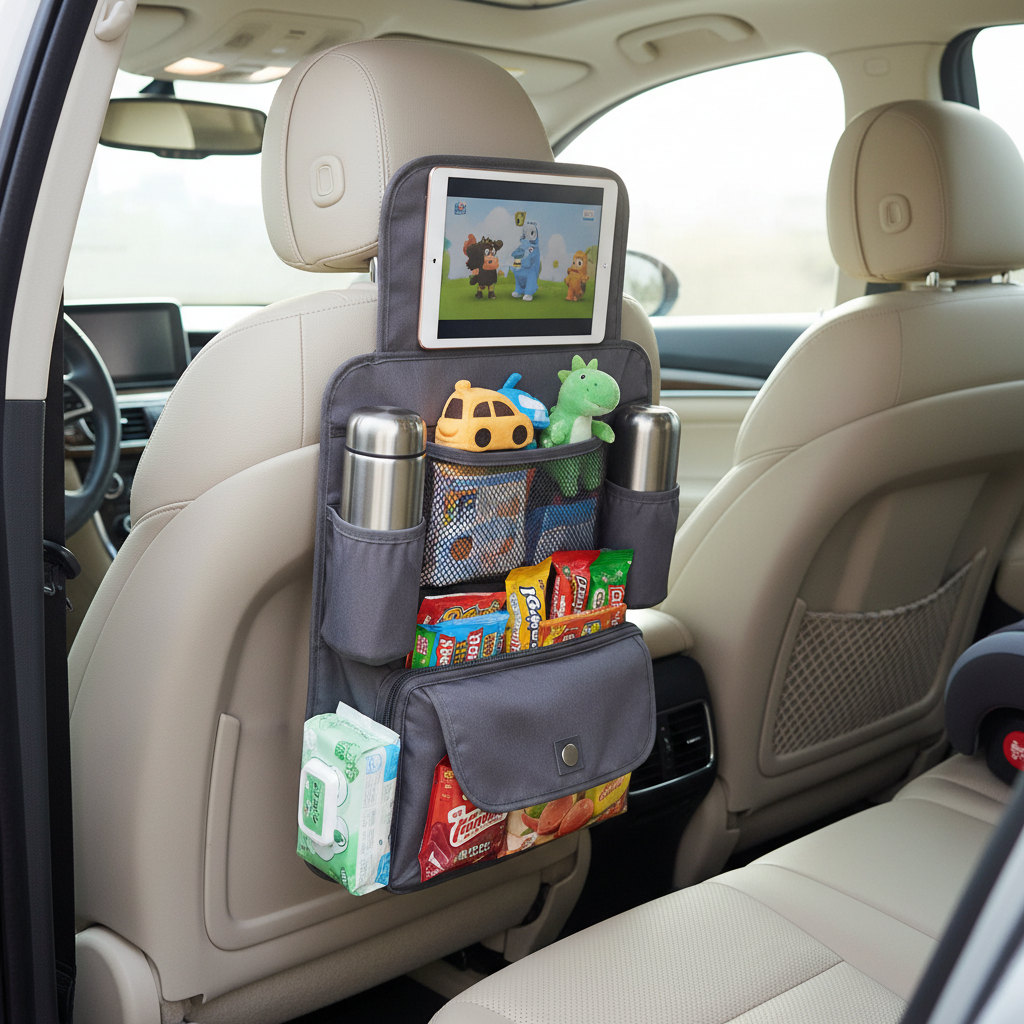
What “best” really means for a kids rear seat organizer
“Best” isn’t the one with the most pockets, it’s the one you can use without thinking about it, and that still looks normal after a few weeks of kid use. In real cars, the deal-breakers are usually fit, access, and cleanup.
- Fit to your seat back: Some cars have sculpted seat backs or fixed headrests, and straps sit awkwardly or slip.
- Kid access vs. parent access: Toddlers need big, simple pockets, older kids do fine with smaller compartments.
- Cleanup time: A wipe-clean surface beats fabric pockets that trap crumbs.
- How it folds: A true folding panel stores flat when you don’t need it, helpful if adults ride in back sometimes.
According to NHTSA, securing items in your vehicle helps reduce injury risk in a crash, since loose objects can become projectiles. An organizer won’t replace proper cargo management, but it can reduce small-item chaos when used thoughtfully.
Common reasons people hate their organizer after a week
Most “bad” purchases aren’t about quality, they’re mismatch problems. People buy a popular style, then discover it doesn’t work with their specific seats, car seats, or kid habits.
It conflicts with car seats or boosters
Rear-facing seats, bulky convertibles, and high-back boosters can block pockets or pull on straps. If the organizer sits behind a car seat, it often becomes unusable, or worse, gets tugged constantly.
The “tablet window” is useless
Clear tablet sleeves look great in photos, but glare, heat buildup, and device size mismatches are common. If your kid uses a thick case, many windows feel too tight.
Straps sag, then everything drags
When bottom straps don’t anchor well, the panel slides down and kicks get it filthy fast. This is especially common on seats with minimal gap under the headrest or with smooth upholstery.
Too many small pockets, none you actually use
Say it out loud, you need a place for wipes, tissues, trash, a couple snacks, a bottle, and maybe one “quiet toy” category. Anything beyond that should earn its space.
Quick self-check: which organizer style fits your family?
Before you shop, match the organizer style to how your backseat really functions. This takes two minutes and saves you from buying the wrong “best car folding rear seat organizer for kids” for your situation.
- You have a toddler (2–4): prioritize large open pockets, easy wipe surfaces, minimal zippers.
- You have a grade-school kid (5–10): add a bottle pocket, pen/notebook slot, and one “tech pocket” if used.
- Two kids share the backseat: pick symmetric storage or two separate organizers to reduce fights.
- Car is also used for adults: folding design matters, choose low-profile, easy remove.
- Road trips happen often: deeper pockets, trash solution, and a stable tray or rigid panel can help.
If your child still kicks the seat a lot, accept that any organizer will get scuffed. In that case, a simpler, more wipeable panel usually wins over a feature-heavy one.
Feature checklist: what to look for (and what to skip)
Here’s the stuff that tends to matter in practice, not just on a product page.
Materials that survive snacks and sunscreen
- Wipe-clean face (often PU leather or coated fabric): good for spills and sticky hands.
- Reinforced stitching at pocket corners: helps when kids overstuff.
- Water-resistant lining in bottle pockets: limits condensation damage.
Straps and anchors that stay put
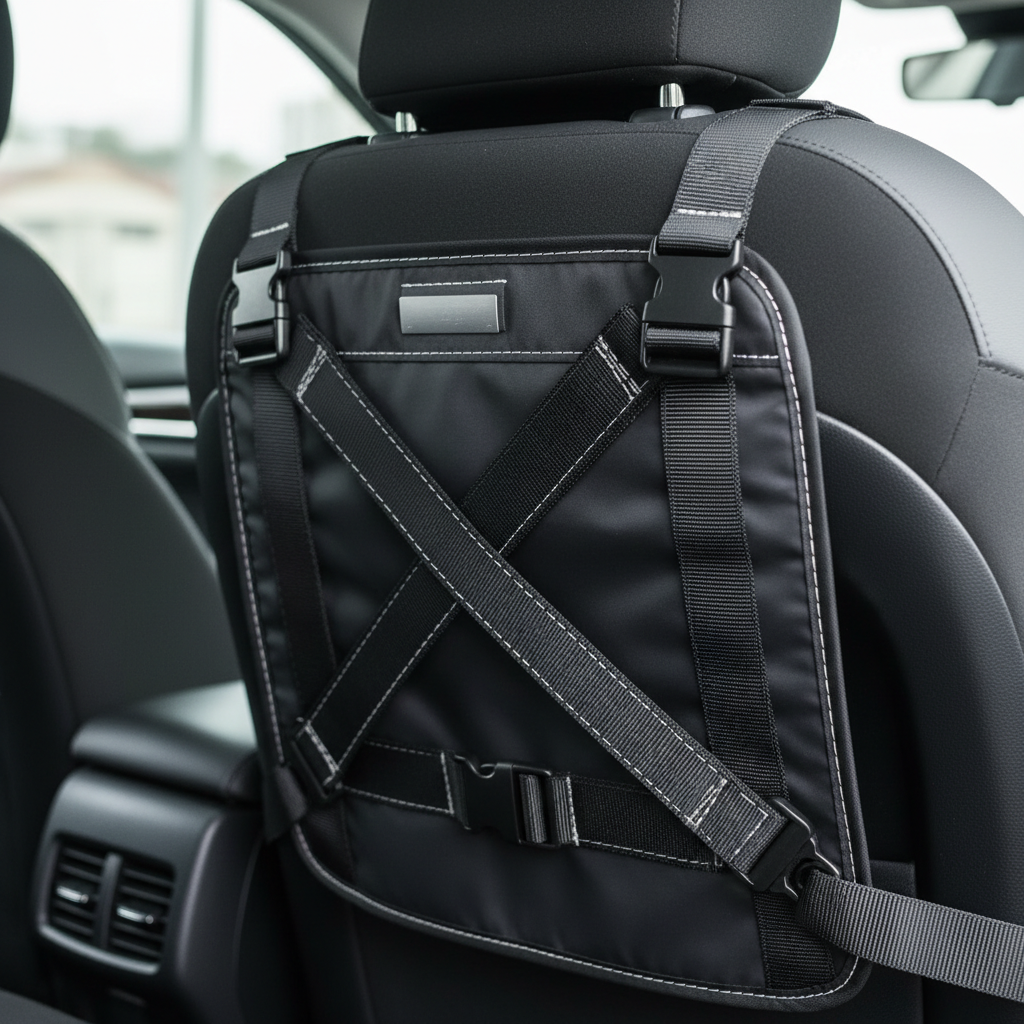
- Two-point attachment (headrest + seat bottom): reduces sagging.
- Quick-release buckles: makes it realistic to remove and clean.
- Anti-slip backing can help on smooth leather seats, though results vary by upholstery.
Pocket design that matches kid behavior
- One “dump pocket” (big open pocket) beats four tiny ones for little kids.
- Mesh pocket helps kids see what’s inside, less rummaging.
- Covered trash pocket or dedicated trash bag loop prevents wrappers from floating around.
Features to be cautious about
- Hard trays: useful for older kids, but check stability and avoid anything that could become a hazard in a sudden stop.
- Low-quality clear tablet sleeves: they scratch, cloud, and sometimes trap heat; consider a separate mount if screens matter.
- Oversized organizers: can interfere with front-seat movement, especially if tall drivers sit up front.
Comparison table: choose the right folding organizer type
Instead of chasing a single “winner,” use this table to pick the most practical type for your car and your kids.
| Type | Best for | Pros | Watch-outs |
|---|---|---|---|
| Basic folding panel (multi-pocket) | Everyday school runs | Simple, lightweight, easy to wipe | May sag if straps are weak |
| Rigid-backed folding organizer | Road trips, heavier items | Holds shape, pockets stay usable | Bulkier, can feel stiff in small cars |
| Organizer + tray style | Older kids who draw/eat in car | Creates a “station,” reduces lap mess | Tray stability varies, not ideal for toddlers |
| Minimal fold-flat organizer | Cars that carry adult passengers | Low profile, fast to remove | Less capacity, fewer specialized pockets |
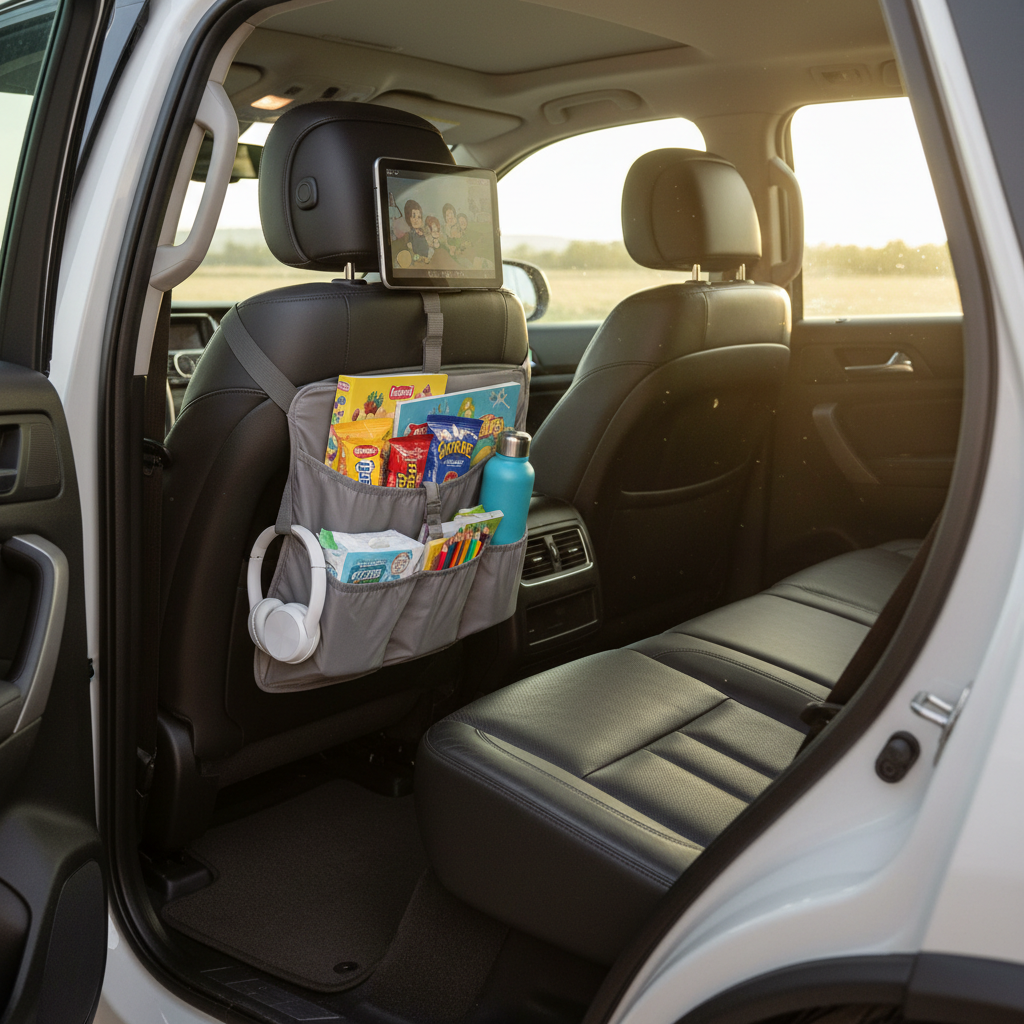
How to set it up so it stays stable (real-world install tips)
The best car folding rear seat organizer for kids can still feel “bad” if it’s installed loosely or loaded in a way that makes it slump. Aim for stable, light, and reachable.
Install steps that prevent sagging
- Raise the headrest just enough to route the top strap cleanly, then tighten until the panel sits flat.
- Anchor the bottom strap around the seat base when possible, then pull slack out while pressing the organizer against the seat.
- Check front-seat travel, slide the seat forward/back and recline slightly to confirm straps don’t bind.
Load it like a “kit,” not a junk drawer
- Top pockets: tissues, wipes, hand sanitizer, small trash bag roll.
- Middle pockets: 2–3 snacks in sealed pouches, one quiet activity.
- Bottom area: light items only, heavy bottles can pull the panel down.
If you use car seats, avoid routing straps where they could interfere with car seat installation or access to belt paths. When in doubt, check your car seat manual, and consider asking a certified Child Passenger Safety Technician for guidance.
Safety and usability notes parents often miss
Organizers are convenience items, not safety equipment, so treat them like any other object inside a moving vehicle.
- Avoid hard, heavy items in high pockets, in a collision they may become a hazard.
- Keep choking hazards out of reach for toddlers, especially small toys, caps, and loose candy.
- Don’t block vents if your rear passengers rely on them for comfort, overheated kids get fussy fast.
- Watch screen heat: devices behind a clear sleeve can warm up in sun, especially on long drives.
According to the American Academy of Pediatrics, caregivers should keep distractions low while driving; if your setup encourages constant backseat “requests,” it may be worth reorganizing so kids can self-serve safely.
Key takeaways + what to do next
If you want a purchase you don’t regret, pick a folding organizer that fits your seat shape, stays tight with a two-point strap system, and has a few pockets you’ll actually use, not twenty pockets you’ll ignore. For many families, wipe-clean materials and one big dump pocket matter more than fancy extras.
Your next move: measure your seat back height and headrest style, decide whether the organizer sits behind a car seat or a kid, then choose a type from the table and load it like a simple kit for one week. If it stays stable and reduces requests from the backseat, you’ve got the right setup.
FAQ
What is the best car folding rear seat organizer for kids if I have a rear-facing car seat?
Usually a slim, fold-flat organizer works better, because bulky panels get blocked by the car seat shell. Place it on the seat that doesn’t have the rear-facing car seat when possible, and avoid straps that interfere with access to car seat belt paths.
Are seat back organizers safe around car seats?
They can be, but it depends on placement and how straps route. Keep the organizer from altering how the car seat fits, and avoid putting hard or heavy items in it. If you feel unsure, a CPST can help you double-check your setup.
Do folding organizers damage leather seats?
They can scuff over time, especially if grit gets trapped behind the panel. Wiping the seat back and the organizer backing occasionally, and keeping straps snug, reduces rubbing.
How many pockets do I actually need for kids?
For many families, 5–8 usable pockets is plenty: wipes/tissues, trash, two snack spots, one bottle pocket, and one activity pocket. Extra tiny pockets often turn into “crumb collectors.”
Should I choose an organizer with a tablet holder?
If screens are a regular part of your travel, it can help, but quality varies and glare is common. Some parents prefer a separate headrest mount and a simpler organizer for storage.
How do I keep the organizer from sagging?
Tighten both top and bottom straps, keep heavy items low, and avoid overloading bottle pockets. If your car’s seat design doesn’t allow a secure bottom anchor, a rigid-backed model often holds shape better.
What’s the easiest way to keep it clean?
Pick wipe-clean materials, use sealed snack containers, and add a dedicated trash solution. A quick weekly shake-out and wipe takes less effort than a monthly deep clean.
If you’re trying to build a calmer backseat routine, it helps to treat the organizer like a small system, not just storage, choose a folding model that fits your exact seating layout, load only what your kids actually use, and adjust after a week based on what keeps getting asked for.