
Best car wheel cleaner for heavy brake dust usually means one thing: a product that can break the bond between baked-on iron-rich dust and your wheel finish without turning your Saturday wash into a scrubbing marathon.
If you drive in stop-and-go traffic, have performance pads, or just commute on hilly routes, brake dust can build fast and cling hard, especially on front wheels. The frustrating part is that “stronger” is not always better, some aggressive cleaners can dull sensitive finishes or stain if used wrong.
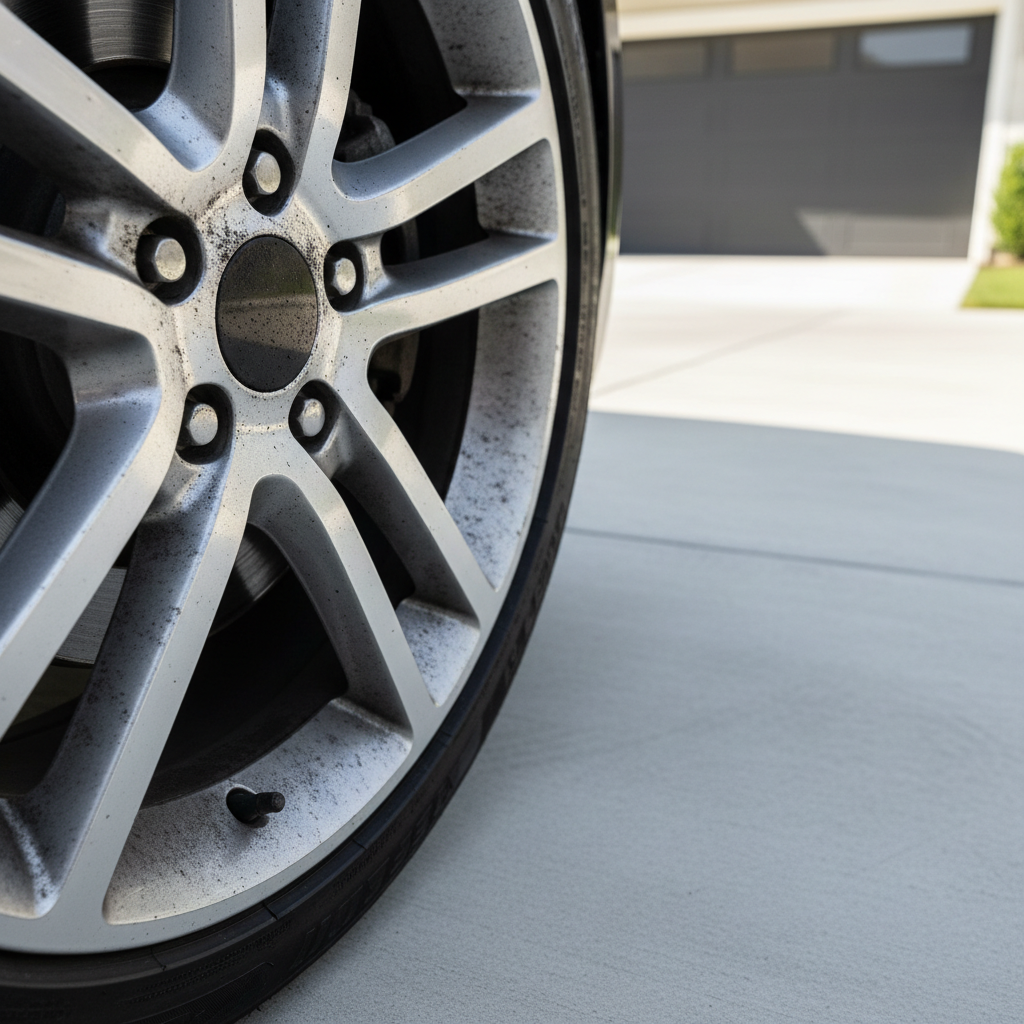
This guide helps you pick the right type of wheel cleaner for heavy brake dust, match it to your wheel material, and use it in a way that actually works. I’ll also flag common mistakes that quietly make the job harder.
Why heavy brake dust is so hard to remove (and why soap fails)
Most “heavy” brake dust isn’t just dirt sitting on top, it’s a mix of metallic particles from pads/rotors plus road grime and heat-cured residue. That heat cycles the dust onto the wheel surface, so it grabs on like it belongs there.
- Iron contamination: many particles contain iron, which can embed in pores of clear coat or painted finishes.
- Heat-baked film: repeated braking can create a stubborn, slightly greasy layer that regular car shampoo struggles to break.
- Wheel design traps: thin spokes, barrels, and lug areas collect buildup where mitts can’t reach.
That’s why the “best” product for heavy dust often needs either an iron-reactive ingredient (for metal particles) or a strong but finish-safe surfactant system (for oily road film), sometimes both.
Types of wheel cleaners: which ones actually work on heavy dust
Instead of chasing hype, narrow it to chemistry and wheel safety. Here are the main categories you’ll see in the US market.
Iron removers (color-changing “bleeding” cleaners)
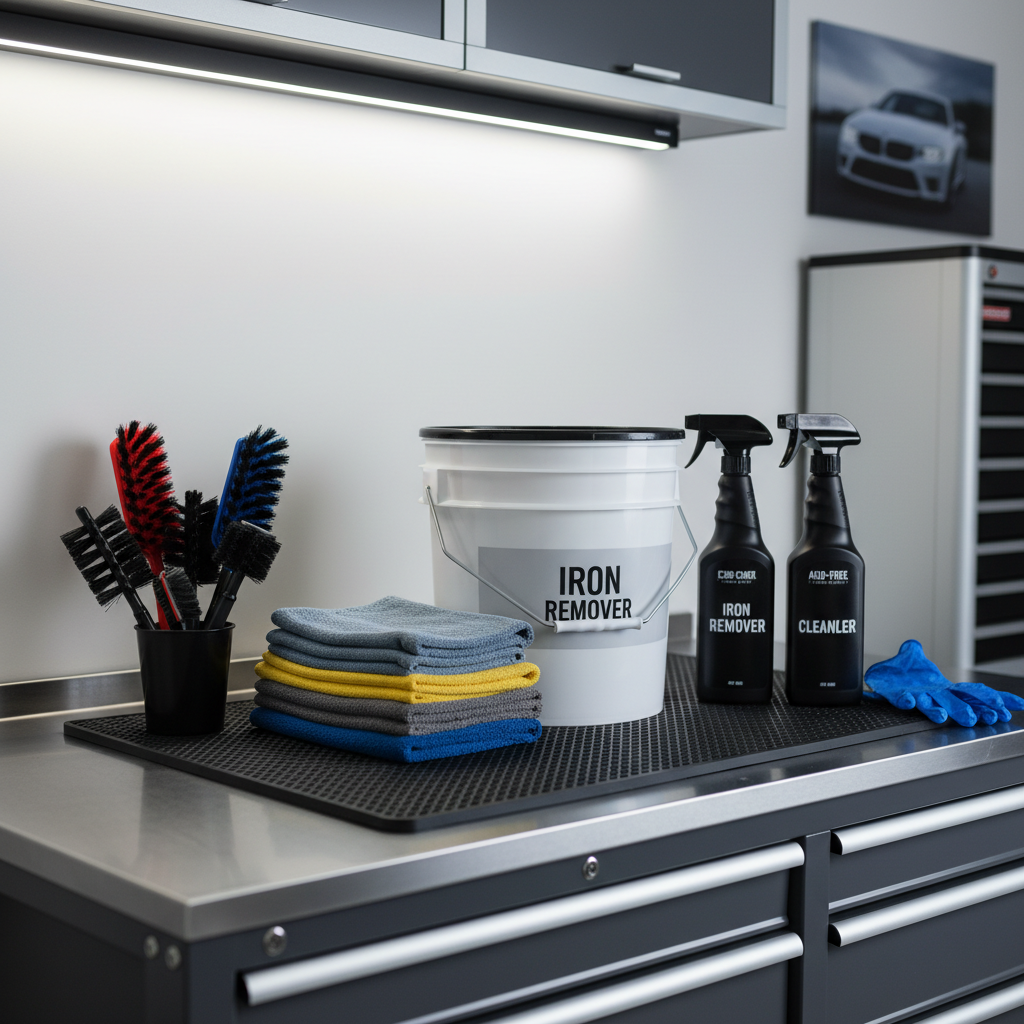
These target iron particles and often turn purple/red as they react. They’re a top contender when you want the best car wheel cleaner for heavy brake dust because they reduce the need for aggressive brushing.
- Best for: baked-on dust, neglected wheels, detailed multi-spoke designs
- Watch-outs: strong odor on some formulas, don’t let it dry
Acid-free alkaline cleaners (heavy-duty surfactants)
These are typically safer for a broad range of finishes and can cut traffic film and grime well, especially when used with agitation.
- Best for: maintenance cleaning, clear-coated wheels, frequent washing
- Watch-outs: may need more brushing if iron load is high
Acidic wheel cleaners (use selectively)
Acid cleaners can cut mineral deposits and certain stubborn residues quickly, but they can also be risky on damaged clear coat, raw aluminum, or certain aftermarket finishes. In many home-garage scenarios, they’re not the first pick.
- Best for: specific cases, when you know the wheel finish and product compatibility
- Watch-outs: staining/etching risk, strict dwell time control, protective gear recommended
Quick self-check: what cleaner should you choose for your wheels?
You don’t need a lab test, you need a fast decision tree that avoids expensive mistakes.
- If dust returns within days and front wheels look charcoal: lean toward an iron remover as your “deep clean” product.
- If you wash weekly and wheels are mostly brown film: an acid-free alkaline wheel cleaner usually handles it.
- If wheels have pitting, peeling clear coat, or mystery finish: avoid harsh acids, test spot any product, and consider a gentler approach.
- If you see orange specks (rail dust/iron fallout): iron remover matters, even if the wheels “look clean.”
According to the U.S. Environmental Protection Agency (EPA), reading and following the product label is a key step for safer chemical use at home, especially around ventilation and skin/eye protection. That sounds obvious, but wheel cleaners are one place where people skip it and regret it.
Comparison table: what to look for in the “best” option
This isn’t about brand names, it’s about choosing a formula that matches the mess and your wheel finish.
| Cleaner type | Strength on heavy brake dust | Finish safety (typical) | When it makes sense |
|---|---|---|---|
| Iron remover (reactive) | High | Usually safe on clear-coated finishes if used correctly | Deep clean, neglected wheels, minimal scrubbing goals |
| Acid-free alkaline wheel cleaner | Medium to high | Generally safer across many modern OEM finishes | Routine washes, paired with brushes for spokes/barrel |
| Acidic wheel cleaner | High (fast acting) | Variable, can be risky on damaged or sensitive finishes | Targeted use when you know compatibility and control dwell time |
| All-purpose cleaner (APC) | Low to medium | Depends on dilution and wheel material | Light dust, pre-clean step, not ideal for heavy buildup |
How to clean wheels with heavy brake dust (step-by-step that works)
The process matters as much as the product. A strong cleaner used wrong can underperform, and a decent cleaner used right can look “premium.”
1) Prep: cool wheels, shade, and a full rinse
- Work on cool wheels. Hot metal can flash-dry product and raise staining risk.
- Rinse thoroughly to remove grit that can scratch during brushing.
2) Apply the right chemistry first, then agitate
- For heavy brake dust, start with an iron remover on the face and into the barrels, allow it to dwell as directed.
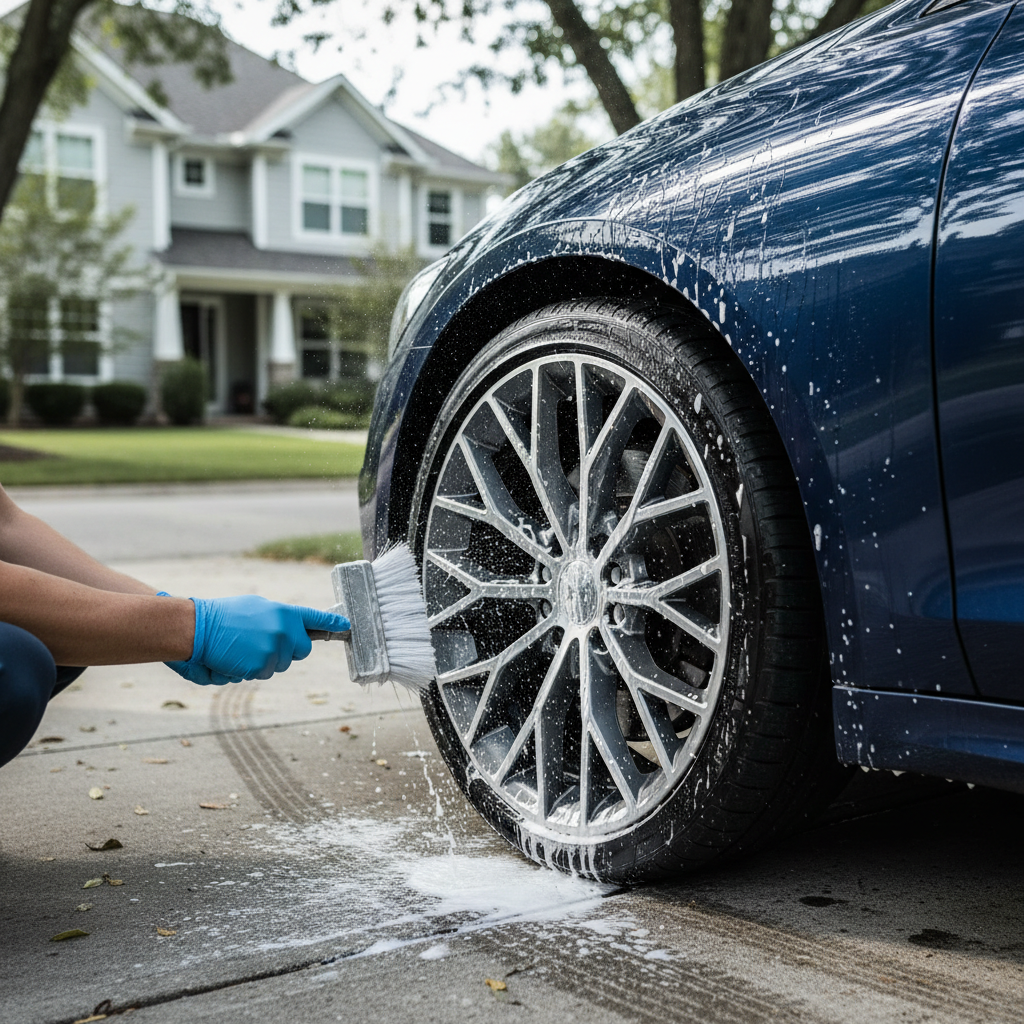
- Use a soft wheel face brush for spokes, plus a dedicated barrel brush for inside the wheel.
- If you’re using an acid-free heavy-duty cleaner, give it time to work, then brush the tight areas where dust cakes.
3) Don’t chase perfection in one pass
On truly baked wheels, two controlled cycles beat one long dwell. Reapply, lightly agitate, rinse. This is where many people accidentally overdo scrubbing and mar the finish.
4) Rinse like you mean it, then dry
- Rinse until runoff looks clear, paying attention to lug pockets and valve stem area.
- Dry with a dedicated microfiber to avoid water spots, especially if you have hard water.
5) Optional but smart: add protection to slow future buildup
A spray sealant or wheel-safe ceramic topper can reduce how strongly dust sticks next time. It won’t stop brake dust, but it often changes the job from “scrub” to “rinse + light brush.”
Mistakes that make heavy brake dust worse (or damage wheels)
- Letting cleaner dry on the wheel: this is a common cause of streaking or staining, even with “safe” products.
- Using one brush for everything: a gritty brush from the barrel can scratch the wheel face. Separate tools help.
- Overusing aggressive acids: they can dull or etch if the finish has chips, oxidation, or previous damage.
- Skipping a test spot: especially on aftermarket wheels, polished lips, or older clear coats.
- Washing wheels last: by the time you reach them, product dries faster and you’re tired, that’s when mistakes happen.
When you should consider professional help (or at least a different plan)
If you’ve tried a couple rounds with a reputable iron remover and the wheel still looks “dirty,” it may not be dirt anymore. It might be etched clear coat, baked-on pad material, or corrosion starting under the finish.
- Clear coat peeling, bubbling, or rough texture: cleaning can’t fix failing finish, a refinisher can advise options.
- Persistent brown/black staining after decon: could be heat staining or embedded contamination.
- You’re unsure about wheel material: magnesium, polished aluminum, and some specialty finishes deserve caution, a detail shop may identify the finish quickly.
Also, if you notice irritation or breathing discomfort from strong chemicals, reduce exposure, improve ventilation, and consider asking a professional detailer for a safer workflow.
Key takeaways (so you buy once, clean once)
- The best car wheel cleaner for heavy brake dust is usually an iron-reactive cleaner for deep cleaning, paired with the right brushes.
- For maintenance, an acid-free wheel cleaner plus light agitation often keeps dust under control.
- Technique matters: cool wheels, proper dwell time, and never letting product dry.
- Add protection after cleaning if you want the next wash to be faster.
If you want a simple starting plan, pick one quality iron remover for occasional deep cleans, and one mild wheel cleaner for weekly or biweekly washes, then focus on consistent technique.
FAQ
What is the best car wheel cleaner for heavy brake dust on clear-coated wheels?
In many cases, an iron remover designed for automotive wheels performs well because it targets the metallic particles that make heavy dust cling. Use it on cool wheels, don’t let it dry, and rinse thoroughly.
Are color-changing wheel cleaners safe for all wheel finishes?
Often they’re safe on modern clear-coated finishes when used as directed, but “all finishes” is where people get into trouble. If the wheel has damage, is raw/polished metal, or has an unknown aftermarket coating, test a small area first.
Can I use an all-purpose cleaner (APC) for heavy brake dust?
You can try, but APC usually struggles with the iron component, so you end up compensating with more brushing. APC can still be useful as a pre-clean step before an iron remover.
Why do my wheels still look dirty after cleaning?
If the surface feels rough, contamination may be embedded, or the finish may have staining or etching from heat and harsh chemicals. A second decon cycle can help, but if the finish is compromised, cleaning hits a limit.
How often should I deep clean with an iron remover?
For many drivers, every 1–3 months is a reasonable rhythm, with regular maintenance washes in between. If you drive aggressively or generate lots of dust, you might need it more often, but avoid overusing strong chemicals if a milder routine keeps up.
Is it okay to use acidic wheel cleaner at home?
It can be, but it’s less forgiving. If you’re not sure about the finish, or you can’t control dwell time and rinsing, an acid-free heavy-duty cleaner or iron remover is usually a safer place to start.
Do wheel coatings or sealants really reduce brake dust?
They don’t stop dust production, but they often make it release more easily during washing. The practical win is less scrubbing and a lower chance of marring from aggressive brushing.
If you’re trying to choose a wheel cleaner setup without buying five bottles, a simple two-product approach usually works: one dedicated iron remover for heavy brake dust days, plus a gentler maintenance cleaner and the right brushes so your wheels stay cleaner with less effort.