
how to fix car horn that not working usually comes down to a small handful of issues: a blown fuse, a bad relay, a failing horn unit, or a problem in the steering wheel switch circuit.
If your horn quits, it’s not just annoying, it can be a safety problem in traffic and it may even cause an inspection failure in some states. The good news is most checks are quick and don’t require removing half the car.
I’ll walk you through a realistic DIY path: the fastest tests first, what each result means, and when it’s smarter to stop and let a shop handle it. I’ll also call out common missteps, because horns often “seem dead” when the real issue sits upstream.
Start with quick clues (before you grab tools)
Before testing anything, listen and observe. Those little hints often narrow the diagnosis fast.
- Any sound at all? A weak or raspy honk often points to a failing horn unit or poor ground.
- Works sometimes? Intermittent horn issues commonly trace to a relay, a loose connector, or a worn switch contact.
- Did it fail right after a repair? Bumper work, grille work, or battery replacement can disturb the horn connector or ground.
- Do other steering wheel buttons act weird? That can hint at a clockspring problem (the spiral cable behind the wheel).
Safety note: If your vehicle has airbags, be cautious around steering wheel components. According to NHTSA, airbags are a critical safety system and improper handling can cause injury. If you are unsure, a qualified technician is a safer route.
Most common causes of a horn not working
In real-world shop diagnostics, horn failures cluster around a few repeat offenders. Here’s the short list, in plain language.
- Blown horn fuse: an overcurrent event, sometimes caused by a shorted horn or chafed wire.
- Bad horn relay: the relay is a small switch controlled by the horn button, and it can wear out.
- Failed horn unit: the horn itself sits up front, exposed to water, salt, and heat.
- Corrosion or loose connection: especially at the horn ground point or at the horn connector.
- Steering wheel switch / clockspring issue: less common, but very real on higher-mileage vehicles.
One more thing people miss: some cars integrate the horn circuit into a body control module (BCM). That doesn’t mean you can’t diagnose it, it just means you may hit a point where a scan tool saves time.
Self-check checklist: figure out what you’re dealing with
Use this quick checklist to decide whether you can likely fix it in the driveway or if it’s drifting into “shop required.”
- You can DIY easily if: fuse/relay access is simple, you have basic tools, and you’re not touching airbag parts.
- You might still DIY if: you can safely reach the horn behind the grille and you can use a multimeter or a test light.
- Consider a pro sooner if: horn is tied to alarms/BCM, the steering wheel needs to come off, or you see damaged wiring.
Tools that make this smoother: fuse puller, spare mini fuses, needle-nose pliers, a basic multimeter, and a wiring diagram (service manual or reputable database).
Step-by-step: how to fix a car horn that not working
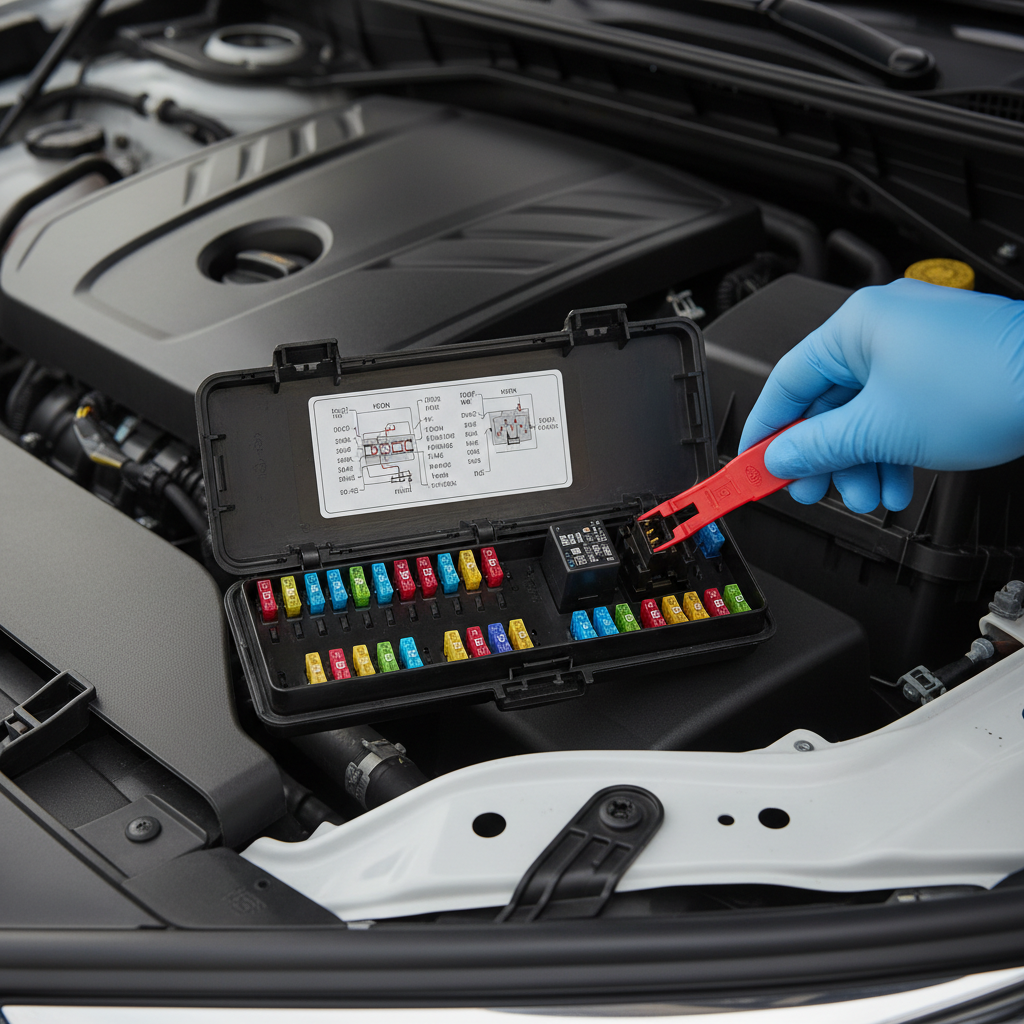
1) Check the horn fuse (fastest win)
Find the fuse box diagram (owner’s manual or fuse box cover). Locate the horn fuse, remove it, and inspect the metal strip.
- If the strip is broken, replace the fuse with the same amperage.
- If the new fuse blows immediately, stop replacing fuses and look for a shorted horn or rubbed-through wiring.
Many people stop here, but if the fuse looks fine, don’t guess, move to the relay test.
2) Swap or test the horn relay
Relays often share part numbers with other systems (like A/C clutch). If the relay type matches, you can temporarily swap to see whether the horn returns.
- Horn works after relay swap: replace the relay.
- No change: put relays back and keep diagnosing.
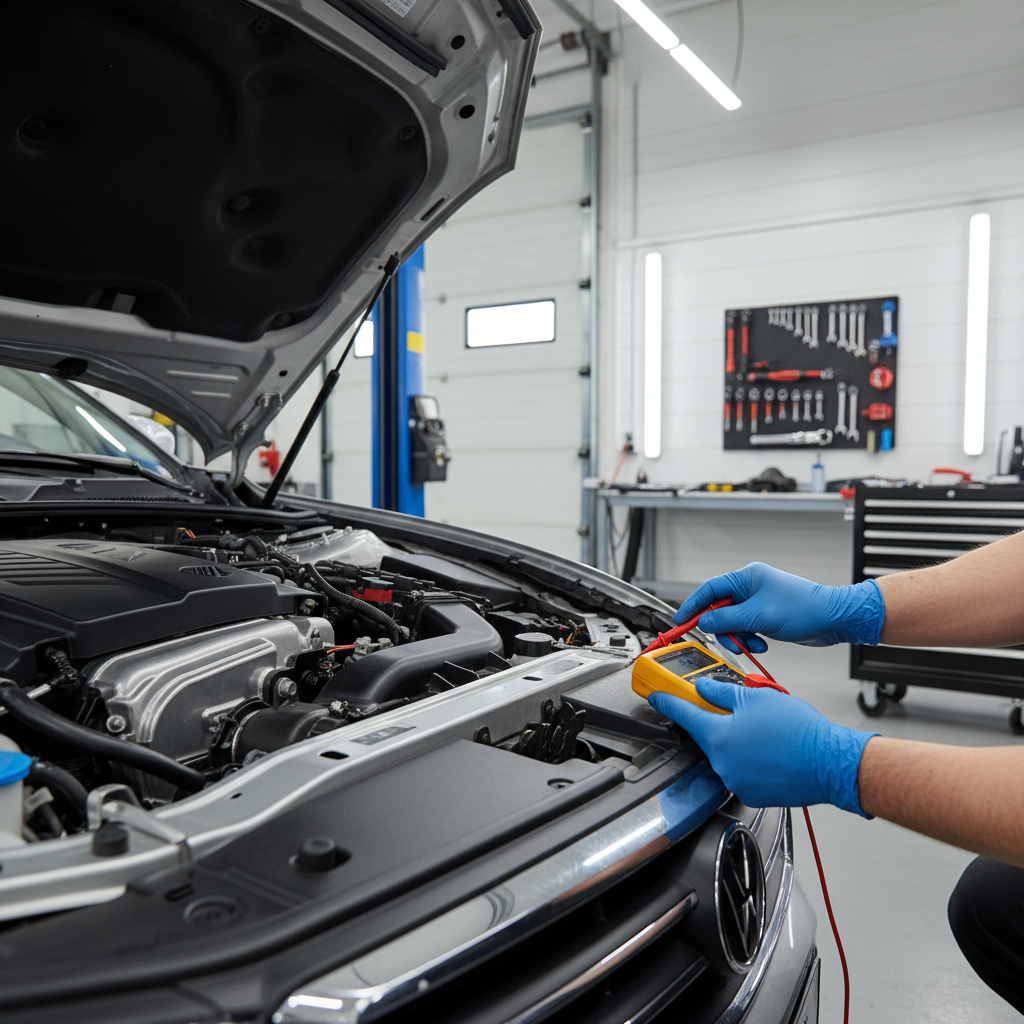
If you have a multimeter, you can also check for control voltage at the relay socket when pressing the horn, but the swap test is usually the quickest practical move.
3) Test the horn unit directly (bypass the car)
Access the horn at the front (behind grille/bumper area). Disconnect the connector and check for corrosion or water intrusion.
- Use fused jumper leads to apply 12V and ground directly from the battery to the horn terminals.
- If the horn sounds, the issue is upstream (relay, switch, wiring).
- If the horn stays silent, replace the horn unit.
Be careful: horns are loud up close. Hearing safety matters, and it’s smart to keep your face away from the horn opening.
4) Check for power and ground at the horn connector
With the connector plugged in (or back-probing safely), press the horn and measure:
- Power present, ground good but horn silent: horn is likely failing under load, replacement usually solves it.
- No power: suspect relay control, fuse link, broken wire between relay and horn.
- Weak ground: clean and tighten the ground point, or repair the ground wire.
Corrosion at a ground bolt is a classic “looks fine until you clean it” situation, especially in rust-belt states.
5) If everything up front checks out: horn switch or clockspring
If the fuse, relay, wiring to the horn, and horn unit all check out, the problem may sit in the steering wheel button circuit. The usual suspect is the clockspring, a ribbon-like coil that keeps electrical contact while the wheel turns.
This is where DIY risk rises because airbags and steering wheel removal may be involved. In many cases, a shop diagnosis is the safer and faster call.
Quick reference table: symptom → likely cause → what to do
| What you notice | Likely cause | Practical next step |
|---|---|---|
| Horn totally silent, no click | Fuse, relay control, switch circuit | Check fuse, swap relay, then test relay socket signal |
| Clicking relay but no horn | Horn unit, connector, ground | Test horn with direct 12V, clean connector/ground |
| Weak or raspy honk | Failing horn, corrosion, low voltage | Measure voltage at horn under load, replace if needed |
| Works intermittently | Relay, loose plug, worn switch contact | Wiggle-test connector, replace relay, inspect steering wheel switch |
| Fuse keeps blowing | Shorted horn or chafed wire | Stop replacing fuses, isolate horn and inspect harness |
Common mistakes that waste time (or cause repeat failures)
- Upsizing the fuse: it may stop the fuse from blowing, but it can also let wiring overheat. Keep the factory rating.
- Replacing the horn without testing power/ground: a $20–$60 horn can be an easy fix, but guessing can backfire.
- Ignoring water intrusion: if the connector is green with corrosion, cleaning and dielectric grease often helps.
- Jumping into steering wheel work too early: the majority of horn problems are solved in the fuse/relay/horn area.
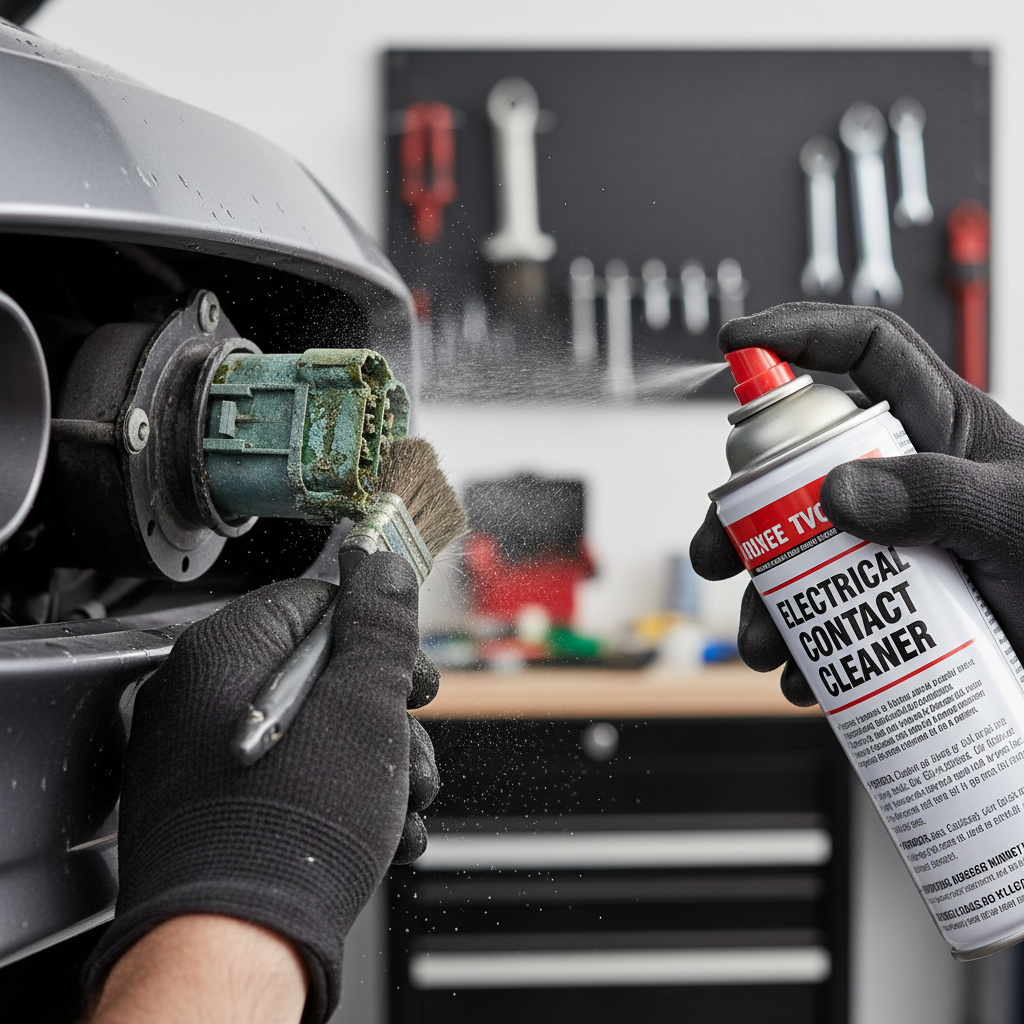
According to SAE International, proper electrical connection integrity matters for reliable vehicle electrical performance. In normal terms, a slightly loose or corroded connector can mimic a dead component and send you chasing the wrong part.
When it’s time to involve a professional
DIY is great until it isn’t. Consider a mechanic or auto electrician when:
- Airbag or clockspring diagnosis is likely, and you’re not comfortable disabling the SRS system correctly.
- Your car uses a BCM-controlled horn and you need scan tool command tests or module-level troubleshooting.
- There is visible harness damage, melted insulation, or recurring fuse failure.
- The horn issue is tied to an alarm/remote start system or aftermarket wiring that looks questionable.
A competent shop can usually isolate the circuit quickly with wiring diagrams, current clamps, and bidirectional scan tools, which saves you the slow (and expensive) parts-swapping spiral.
Key takeaways (so you don’t overthink it)
- Start simple: fuse and relay checks solve a big share of no-horn complaints.
- Prove the horn: a direct 12V test tells you whether the horn unit itself can sound.
- Power + ground matter: corrosion and weak grounds are common, especially in wet/salty climates.
- Be cautious around airbags: if diagnosis points to the steering wheel, it may be time for professional help.
Conclusion: get the horn back without guesswork
If you’re working through how to fix car horn that not working, keep the order tight: check the fuse, verify the relay, test the horn directly, then confirm power and ground at the connector. Most horns come back to life somewhere in that chain, and you avoid replacing parts that were never bad.
Your next action can be simple: spend ten minutes at the fuse/relay box, then decide whether you want to go deeper with a multimeter test at the horn, or book a shop visit if the steering wheel circuit looks involved.
FAQ
Why does my car horn stop working all of a sudden?
A sudden failure often points to a blown fuse, a relay that quit, or a horn unit that finally gave out. If it happened right after front-end work, check the horn connector and ground first.
How do I know if it’s the horn or the relay?
The fastest method is a relay swap (with an identical relay) and a direct 12V horn test. If the horn sounds on direct power, the horn is fine and the problem is upstream.
My horn fuse is fine, but the horn still doesn’t work—what next?
Move to the relay and then test for voltage at the horn connector while pressing the horn. A good fuse only tells you one part of the circuit is intact, not that the horn receives power under load.
Can a bad battery cause the horn not to work?
Sometimes. A weak battery or poor battery terminal connection can cause low voltage, which may make the horn sound weak or inconsistent. In many cases, though, a fully dead horn has a more direct circuit problem.
Why does my horn work intermittently when turning the steering wheel?
That pattern can suggest a clockspring or steering wheel contact issue. Because airbags may be involved, it’s reasonable to have a professional diagnose it if you’re not equipped for SRS-safe procedures.
Is it safe to drive if my horn doesn’t work?
You can often drive short distances cautiously, but it may reduce your ability to warn other drivers. Local laws and inspection rules vary, so if the horn is required equipment in your state, fix it soon and consider professional help if diagnosis stalls.
How much does it usually cost to fix a horn that doesn’t work?
It depends on the cause. A fuse or relay is typically inexpensive, a horn unit is often moderate, and clockspring or module diagnostics can cost more due to labor and scan time. Getting a clear diagnosis first prevents paying twice.
If you’re trying to fix a no-horn issue but want a more straightforward path, consider asking a local shop for a quick horn circuit diagnosis first, then decide whether you want to handle the repair yourself or have them finish it, that approach often saves time when wiring or steering wheel circuits enter the picture.