
Best car air filter reusable is a popular search for one simple reason: nobody loves paying for the same maintenance item over and over, especially when it feels like a “replace it and forget it” part.
Reusable filters can make sense, but only when the filter matches your driving environment, your engine, and your willingness to maintain it. A reusable filter that’s cleaned incorrectly, or used in the wrong conditions, can turn into a performance headache instead of a savings win.
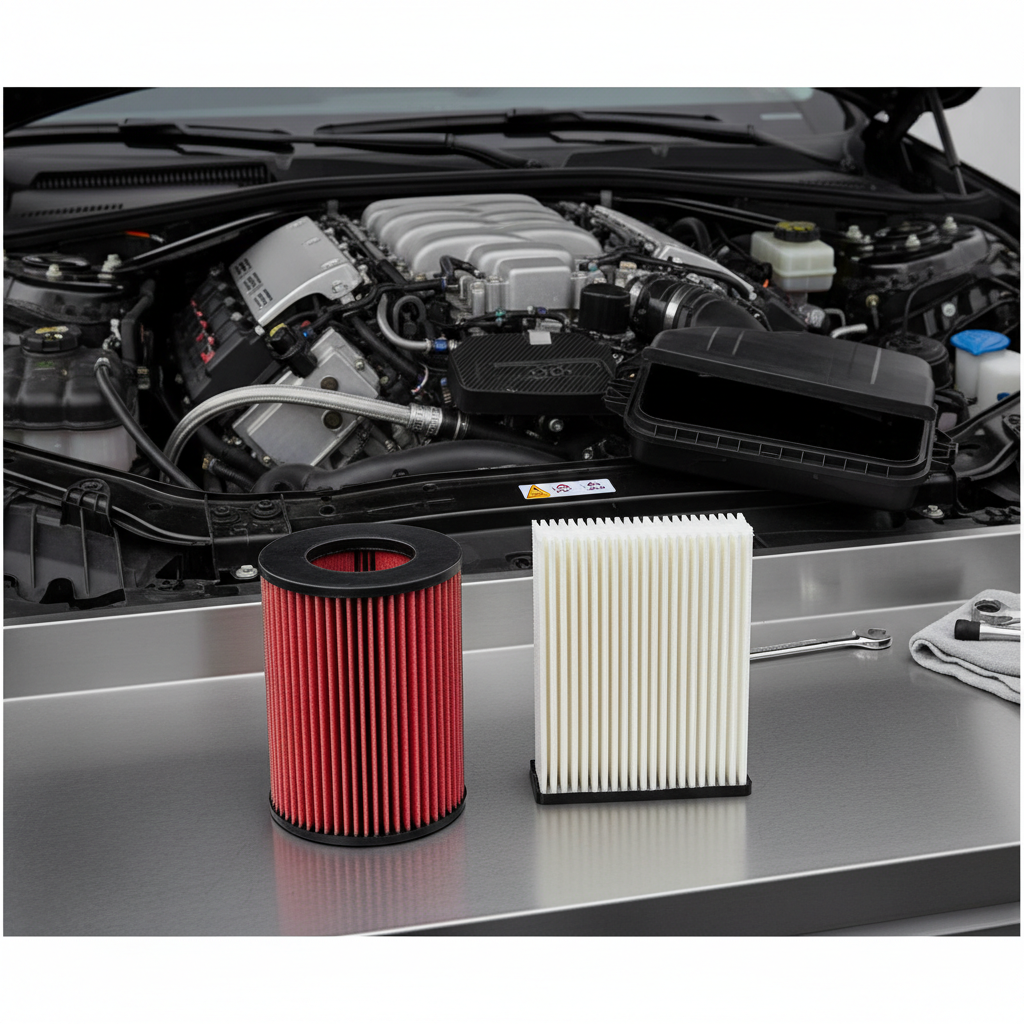
This guide stays practical: how reusable air filters actually work, when they’re worth it, what to look for before you buy, and how to clean them without over-oiling or under-cleaning. I’ll also call out a few common misconceptions that lead to check-engine lights or disappointing results.
Reusable vs. disposable: what changes, what doesn’t
The air filter’s job is boring but critical: stop dirt before it enters the engine, while allowing enough airflow for stable performance and fuel control. Reusable filters usually aim to balance filtration and airflow differently than standard paper filters.
Most reusable automotive filters fall into a few buckets:
- Cotton gauze, oiled: often marketed for airflow, requires careful cleaning and re-oiling.
- Foam, oiled: common in off-road use, can handle dust well when maintained, but still needs correct oiling.
- Synthetic, dry: less messy maintenance, sometimes a good compromise for daily drivers.
What doesn’t change is the need for proper sealing. If the filter doesn’t seal against the airbox, dust can bypass the media and you lose the whole point.
According to EPA (United States Environmental Protection Agency) guidance on vehicle maintenance, keeping your vehicle maintained can help it run efficiently and reduce unnecessary emissions. An air filter won’t fix everything, but it’s part of the bigger “engine breathing” picture.
Quick self-check: are you a good candidate for a reusable filter?
Before shopping, decide which camp you’re in. People skip this, buy the first “high performance” option, then wonder why it’s noisy, finicky, or doesn’t feel different.
- You might be a good fit if you drive a lot of miles, keep cars long-term, and don’t mind a 30–60 minute cleaning session a few times a year.
- You might want to stay with paper if you drive in heavy dust, rarely open the hood, or share maintenance with someone who may not re-oil correctly.
- Check your warranty comfort level: a reusable filter doesn’t automatically “void” anything, but if an issue is linked to improper installation or maintenance, you may face more back-and-forth.

Key point: if you won’t maintain it, “reusable” becomes “dirty for too long,” and that’s usually worse than simply replacing a paper element on schedule.
What “best” means in 2026: the buying criteria that actually matter
In 2026, most reputable reusable filters are not wildly different in basic concept. The real separator is how well a given model fits your use case and how forgiving it is when maintenance isn’t perfect.
1) Fit and sealing quality
Start here. Look for consistent gasket material, sturdy frame construction, and reviews that mention “snug fit” in the factory airbox. If the filter can shift, it can leak.
2) Maintenance style: oiled vs. dry
Oiled designs can work well, but they demand careful oil quantity and even coverage. Dry synthetic designs are often simpler for everyday drivers and reduce the chance of oil-related sensor contamination.
3) Your driving environment
- Urban/highway commuting: dry synthetic or quality oiled gauze can both work, pick based on maintenance preference.
- Construction zones, desert, gravel roads: filtration and service intervals matter more than “max airflow” marketing.
- Snow and salt regions: check the airbox for moisture management and ensure the filter media is durable when damp.
4) Total cost and time
Reusable can reduce recurring purchases, but cleaning kits, your time, and potential mistakes are part of the real cost. If the math is close, convenience may be the deciding factor.
Comparison table: reusable filter types at a glance
This isn’t a brand ranking, because the “best car air filter reusable” choice often comes down to maintenance habits and where you drive, not a single winner for everyone.
| Type | Pros | Trade-offs | Who it suits |
|---|---|---|---|
| Oiled cotton gauze | Reusable, widely available, often responsive throttle feel in some vehicles | Needs correct oiling; can be messy; mistakes may affect MAF sensors | DIY owners who follow cleaning steps carefully |
| Oiled foam | Often strong dust handling when serviced frequently | Maintenance intensive; oiling consistency matters | Off-road and dusty-area drivers |
| Dry synthetic | Low-mess cleaning, simpler routine, generally more forgiving | May cost more up front; availability varies by vehicle | Daily drivers who want “set it and mostly forget it” |
How to pick the right reusable filter for your vehicle (without guessing)
Here’s the selection flow that tends to prevent buyer’s remorse.
- Confirm your exact engine and trim: model year alone isn’t enough. Many cars have multiple engine options with different airboxes.
- Decide drop-in vs. intake system: a drop-in filter uses the factory airbox. An intake kit changes more variables like sound, heat soak, and emissions compliance, so treat it like a different project.
- Check for MAF/MAP sensor sensitivity: if your vehicle uses a MAF sensor, be extra cautious with oiled filters and oil quantity.
- Prioritize filtration over hype: the real win for most drivers is consistent protection and predictable drivability, not chasing a tiny airflow change you may never feel.

According to CARB (California Air Resources Board), emissions-related aftermarket parts in California often require an Executive Order (EO) number to be legal for road use. If you live in California or follow CARB rules, confirm compliance before buying any intake-related product.
Cleaning and re-oiling: a practical routine that avoids the common mistakes
If you go reusable, maintenance is the whole deal. Many problems blamed on the filter are really caused by cleaning shortcuts or rushing the drying step.
Basic cleaning workflow (typical, always follow your filter’s manual)
- Inspect first: if the filter media is torn, the frame cracked, or the gasket deformed, replace it.
- Tap out loose debris: do not blast high-pressure air from the dirty side, it can drive dirt deeper.
- Use the recommended cleaner: household solvents can damage the media or gasket.
- Rinse from clean side to dirty side: this pushes dirt out rather than further in.
- Air dry completely: reinstalling damp media can affect airflow and encourage grime sticking.
If your filter is oiled
- Apply oil evenly and lightly, then let it wick through the media per instructions.
- Avoid over-oiling: excess oil can migrate and may contaminate sensors in some setups.
- Double-check the airbox seal after installation, especially at corners and latch points.
For many daily drivers, a dry synthetic reusable filter reduces the odds of an “I think I over-oiled it” scenario, which is why it often ranks highly in real-world satisfaction.
Common misconceptions that waste money (or create new problems)
Some expectations around the best car air filter reusable choices come from marketing, not how modern engines actually behave.
- “More airflow always means more power”: many stock systems already flow enough for stock tune. Gains can be small or situation-dependent.
- “I can clean it whenever”: service intervals depend on dust, miles, and conditions. Waiting too long can reduce flow and protection.
- “If it fits, it seals”: not always. A slightly warped airbox lid or stiff gasket can create bypass paths.
- “Any oil works”: using the wrong oil type or quantity is a common path to drivability issues.
According to SAE International, engine air induction and filtration are closely tied to durability because ingesting abrasive particles can accelerate wear. You don’t need to become an engineer, but it’s a good reminder that filtration is about protection first.
When to get help (or at least slow down)
If you install a reusable filter and notice rough idle, reduced fuel economy, or a check-engine light, don’t keep guessing for weeks. Re-check seating, look for air leaks, and confirm the filter is clean and fully dry. If you suspect sensor contamination or you’re not comfortable troubleshooting intake components, it’s reasonable to consult a qualified mechanic, especially on newer vehicles with tight sensor tolerances.
If you’re modifying beyond a drop-in filter, like adding an intake system, emissions compliance and tuning considerations vary by state and model year, so verifying compatibility up front usually saves money and frustration.
Conclusion: a sensible way to choose your 2026 reusable filter
The “best” reusable filter in 2026 is the one that seals well in your factory airbox, matches your driving conditions, and fits your maintenance style. If you want low drama, lean toward designs that are forgiving and easy to service, and treat cleaning as scheduled maintenance rather than an occasional project.
Action steps: confirm your exact fitment, pick a maintenance style you’ll realistically keep up with, then follow the manufacturer’s cleaning process without rushing the dry time. That’s how a reusable filter stays a smart upgrade instead of a recurring annoyance.
FAQ
What is the best car air filter reusable option for daily driving?
For many commuters, a drop-in reusable filter that emphasizes consistent sealing and straightforward cleaning is a safer bet than chasing maximum airflow. Dry synthetic styles are often easier to live with if you don’t want to deal with re-oiling.
Do reusable air filters improve gas mileage?
Sometimes they can help if your old filter was clogged, but don’t expect a guaranteed jump. If your current paper filter is in good shape, the difference may be hard to notice in normal driving.
Can an oiled reusable filter damage my MAF sensor?
It can happen in some cases, usually tied to over-oiling or not allowing oil to wick properly before installation. If your vehicle uses a MAF sensor and you prefer lower risk, a dry reusable filter may be a better match.
How often should I clean a reusable engine air filter?
It depends on miles and dust exposure. City/highway driving may allow longer intervals, while dirt roads and construction areas often require more frequent checks. When in doubt, inspect rather than guess.
Is a reusable filter worth it if I drive in dusty areas?
It can be, but only if you’re willing to service it more often. In heavy dust, filtration performance and sealing matter more than marketing claims, and a neglected reusable filter can become a liability.
Should I buy a drop-in reusable filter or a full cold air intake?
A drop-in keeps variables limited and is simpler. Intake kits can change sound, heat exposure, and emissions compliance needs, so they’re better approached as a larger modification rather than “just a filter.”
What are signs my reusable filter needs replacement instead of cleaning?
Tears, separated seams, cracked frames, or a gasket that no longer seals are red flags. If the filter can’t seal reliably, cleaning won’t restore protection.
Lightweight next step
If you’re trying to pick the best car air filter reusable for your exact model and want a more straightforward path, it often helps to start with a drop-in option confirmed for your engine code and your state’s compliance rules, then build a simple cleaning schedule you’ll actually follow.